
1 October is International Coffee Day. The UN General Assembly declared it with resolution 80/248 on 15 December 2025, though members of the International Coffee Organization had already agreed to mark the day. Prothom Alo used the occasion to trace how many people's work goes into a single cup.
According to the United Nations, about 25 million coffee-growing households produce around 80 per cent of the world's coffee, most of them small farmers in developing countries. Coffee is therefore not just a popular drink but a global farm commodity that supports millions of livelihoods. The leading producers are Brazil, Vietnam and Colombia; the largest import and consumer markets are the European Union and the United States.
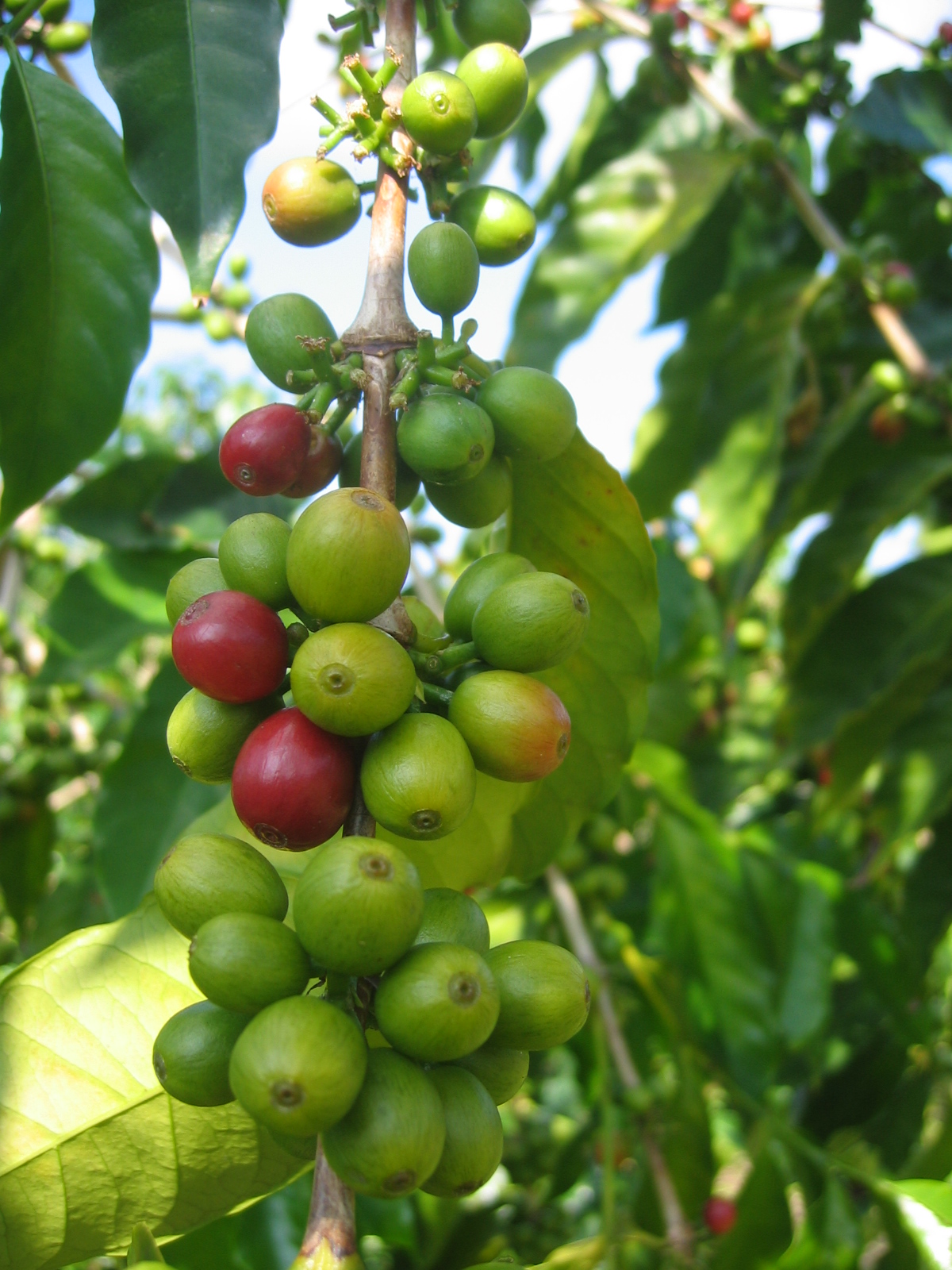
The fruit of the coffee plant looks like a small cherry, which is why it is called a coffee cherry. Ripe fruit is picked and the skin and pulp are removed to free the seeds, usually two to a cherry. The seeds are dried, their outer layer is removed, and they are sorted by size, density and quality, with insect- or disease-damaged beans discarded. These greenish seeds are 'green coffee'.
Producing countries usually export this raw green coffee rather than roasted coffee; it is roasted, packed and marketed in the importing countries. Roasting at set temperatures changes the colour of the beans and creates much of coffee's familiar aroma and taste, and the degree of roast changes the flavour.
Farmers and farm workers, processors, traders, exporters, importers, transport workers, roasters and sellers all take part in this journey. The International Coffee Organization (ICO) calls it the global value chain, with production, processing, trade, roasting and marketing as its main stages.
Photo: Rebecca Stanek / Wikimedia Commons (CC BY 2.0)
Source: Prothom Alo

Comments
(0)