
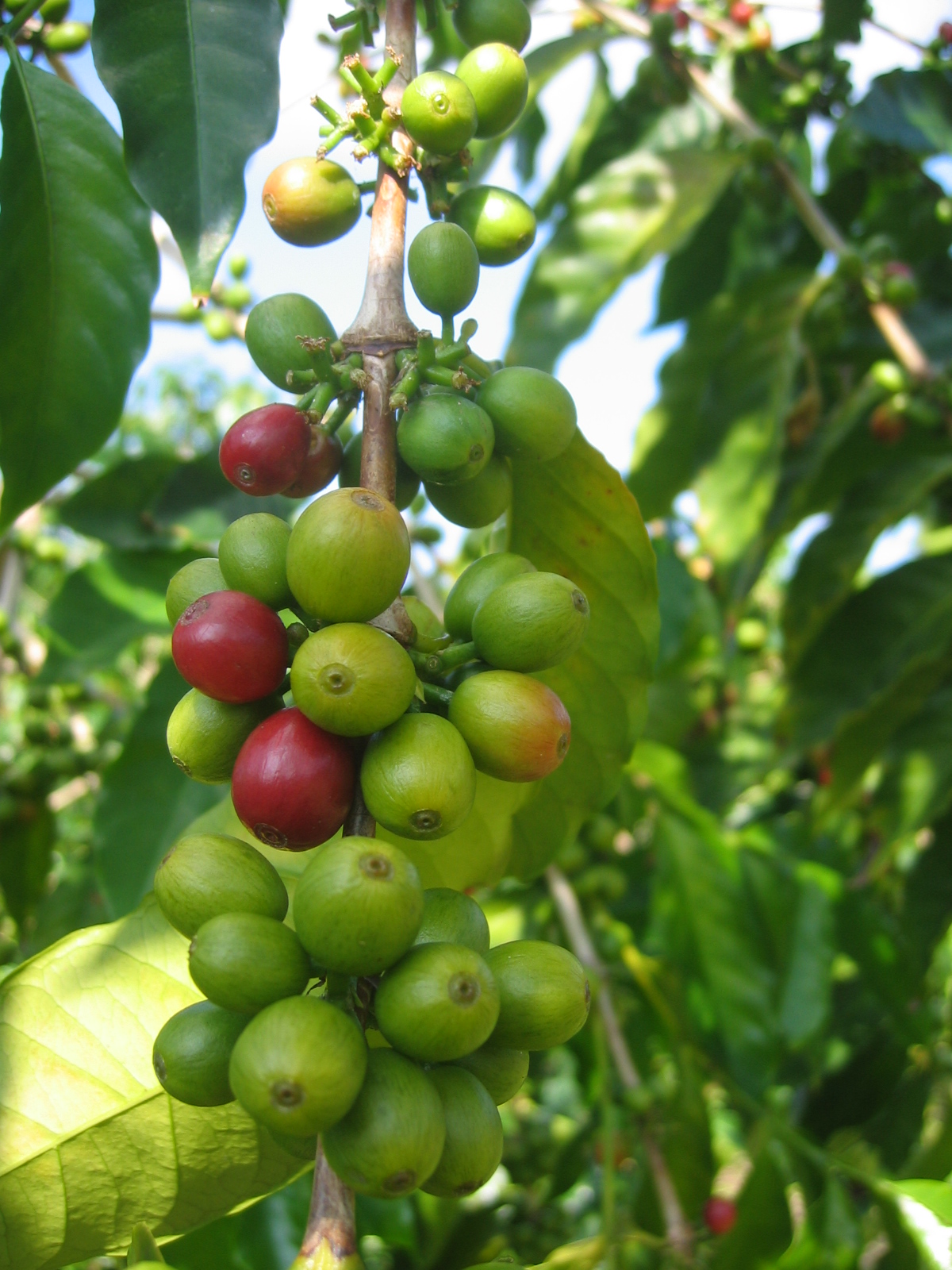
In Rwanda's southern Huye region, trained pickers harvest coffee cherries only when they have turned red and ripe, and sorters at long tables keep just the best of them before they reach the washing station, the Food and Agriculture Organization of the United Nations (FAO) reports in a story marking International Coffee Day on 1 October.
At the Kyarumba washing station the cherries go into a flotation tank. "High-quality coffee displays higher density in water, they're the sinkers, while the lower quality coffee floats to the top," said Aphrodis Twagirayezu, the station's agronomist and manager. Damaged, underripe or dried cherries are removed before de-pulping, fermentation, washing and drying.
FAO says the spread of washing stations, and the training of farmers, sorters and station workers that came with them, has been crucial in turning Rwanda's harvests into specialty coffees that fetch higher prices in niche markets abroad. Rwanda has chosen coffee as the national priority of FAO's Hand-in-Hand Initiative, aiming to use public-private partnerships, to draw in young people and to bring agri-tech into coffee production.
In Kenya, where coffee is grown in 33 of the 47 counties and Arabica beans are well known, a cooperative in Baringo County revived itself with new leadership and reforms to its governance and business management after production and membership had fallen. FAO's Forest and Farm Facility backed the reforms with a USD 30,000 grant from its Small Grants Programme.
In less than three years membership of the cooperative rose from 756 to almost 1,200 farmers, and the share of women and young people among members went from around 10 percent to 40 percent. "Our members are involved in each and every activity right from the planning stage," said Jackson Lenge, chairman of the Tenges Farmers' Cooperative Society in Baringo, describing training on land preparation, crop management, fertiliser application and pruning.
In both countries small-scale coffee relies on cooperatives for finance, markets, better processing and a say in decisions. Africa accounts for 17 percent of global coffee production and 12 percent of global coffee exports, FAO notes, and the crop supports rural jobs, livelihoods and foreign-exchange earnings across the continent.
Photograph: FAO / Jean Baptiste Nkurunziza.
Source: FAONewsRoom
Comments
(0)