
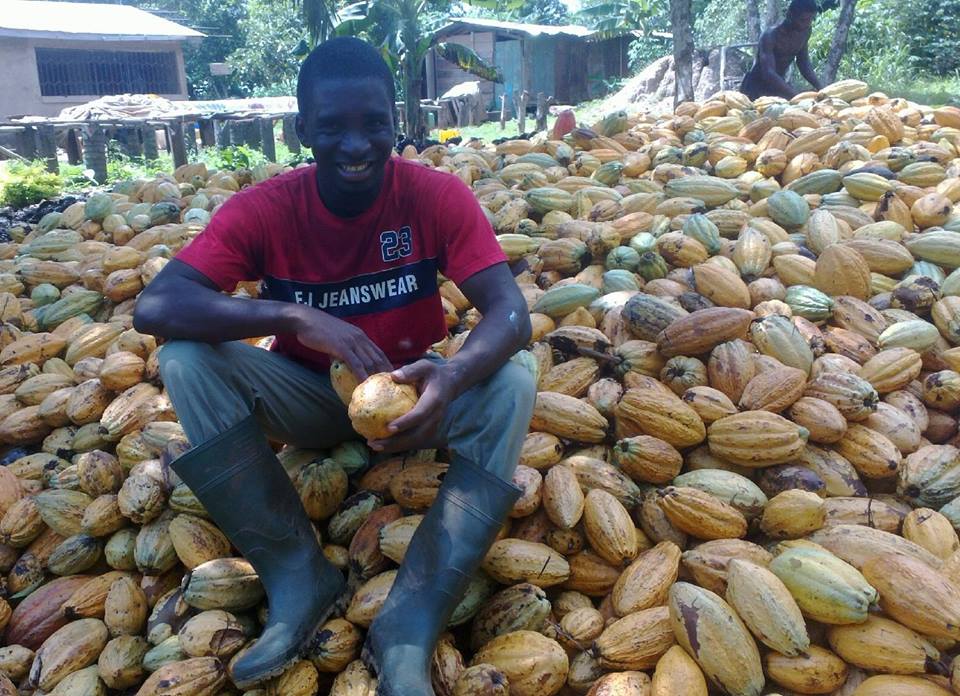
Farming cocoa with nature rather than against it can raise yields, researchers at the University of Oxford have found, but more than a year after their study the chocolate industry's response is still uneven, FoodNavigator reports.
The Oxford paper found that better pollination increased cocoa yields by up to 20%. Access to soil resources, the age of the plantation, lower tree density and a layer of leaf litter also raised yields markedly. The study came as poor harvests in Cote d'Ivoire and Ghana, which grow around 60% of the world's cocoa, pushed prices sharply higher amid extreme weather, ageing trees and crop disease.
Dr Tonya Lander, a co-author, said the advice has been known to the industry for decades: provide habitat for pollinators and avoid farm chemicals, keep shade trees in plantations, and protect the soil. She said buyers should commit to Organic, Fairtrade and Rainforest Alliance certified cocoa, and noted that just nine traders and processors handle 75% of the world's cocoa. So far, she said, most of the progress has come from farmers, small companies and NGOs.
Demand for organic cocoa remains low. A 2025 report by the Netherlands' Centre for the Promotion of Imports from developing countries (CBI) found that only 4% of cocoa beans and under 1% of cocoa paste and powder imported into the EU in 2023 were organic, and organic bean imports have not grown since 2018.
Some companies have launched programmes. Mars has a five-year project with Sucden for low-carbon, climate-resilient cocoa on farms in the Dominican Republic and Ecuador, and a second five-year scheme with ofi in Ecuador to help more than 960 farmers adopt practices such as multistrata agroforestry and biochar on over 9,000 hectares.
Michael Matarasso of the World Cocoa Foundation, which represents over 80% of the industry, said there is "a lot more to do". Depending on the region, he said, the answer may be better planting material, more shade and agroforestry, better soil and water management or stronger pest and disease control, and it needs data and investment at scale.
Some firms are also looking at alternatives such as precision fermentation and cocoa grown from plant cell cultures. Lindt & Sprungli said its focus remains on traditional cocoa sourcing, while it has invested in the Swiss start-up Food Brewer in an early, research-stage collaboration.
Photo: Rberchie / Wikimedia Commons (CC BY-SA 4.0)
Source: FoodNavigator


Comments
(0)