
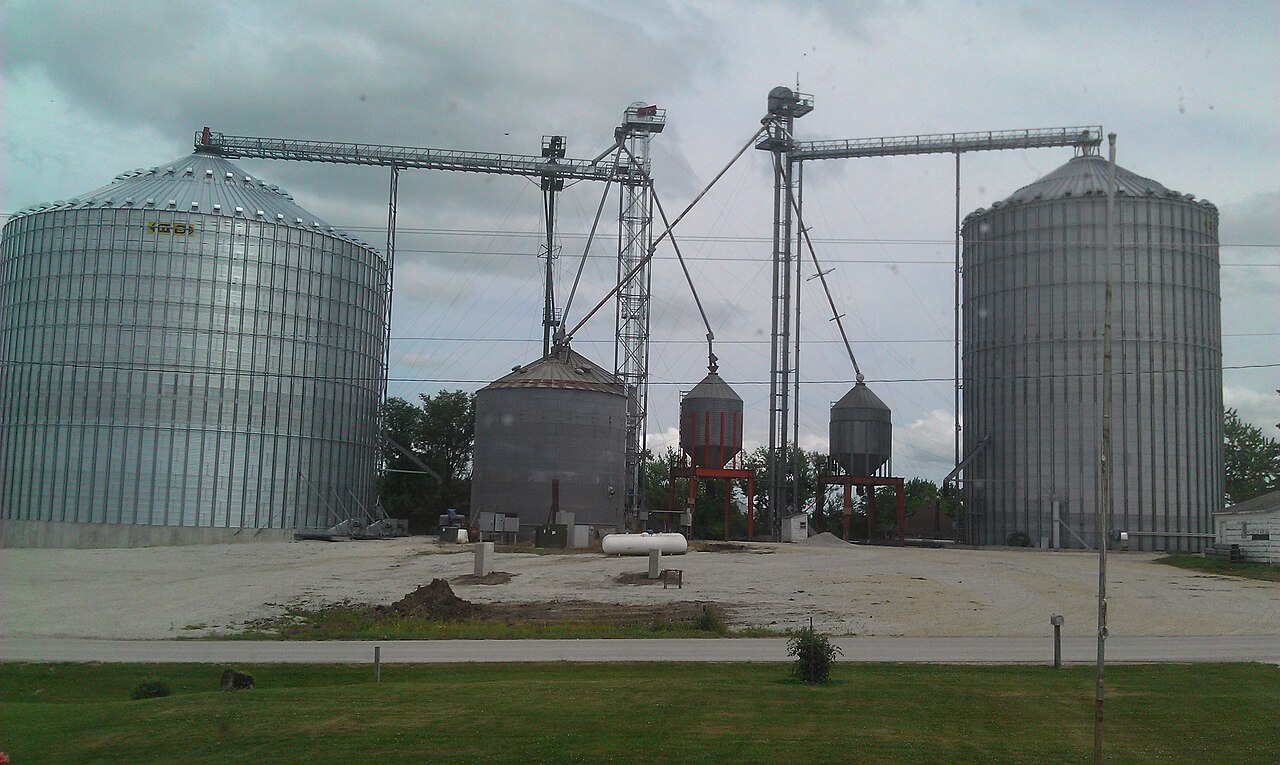
American grain elevators and cooperatives are going into the 2026/27 marketing year holding more of the crop than usual, at higher prices and higher borrowing costs, according to a report from CoBank's Knowledge Exchange carried by CropLife. Farmers sold aggressively during recent rallies in corn, soybeans and wheat, and in many places elevators expect to own close to half of the local corn and soybean crop after harvest, against a more typical 35% to 40%.
With corn futures approaching $5 a bushel, many farmers see prices worth locking in and prefer cash now to the cost and risk of storage; elevators also report earlier requests for payment and more grain delivered straight against contracts. Growers increasingly keep their market exposure through futures and options instead of bins.
The risk moves with the grain. Elevators hedge what they own with short futures positions, and commercial traders now hold one of their largest net short positions in years across the three crops. When prices rise, losses on those positions must be paid at once as margin, while the gain on the physical grain arrives only when it is sold and shipped. CoBank estimates that a $1-per-bushel rally across corn, soybean and wheat futures would trigger about $9.6 billion in margin calls for commercial grain firms.
Carrying grain also costs more: $5 corn needs far more capital than $3 corn, and interest rates are higher. Corn's futures structure still offers some return for storage, but available carry in wheat may not cover storage and financing, with soybeans in between. Rising diesel prices, rail fuel surcharges and freight rates add to the bill, and CoBank warns that rail and barge networks could congest if many firms try to move larger stocks at once.
"Commercial firms are carrying larger inventories at a time when financing costs remain elevated and price volatility continues to create significant margin-call exposure," said Tanner Ehmke, CoBank's lead grains and oilseeds economist. He advised grain companies to secure working capital earlier than normal and to build transport costs into basis decisions, which for farmers can mean weaker local cash bids if end users will not absorb higher freight.
Photo: Eyerlykc (Farmer's Coop grain elevators, Macksburg, Iowa) / Wikimedia Commons (CC BY-SA 3.0)
Source: CropLife

Comments
(0)