
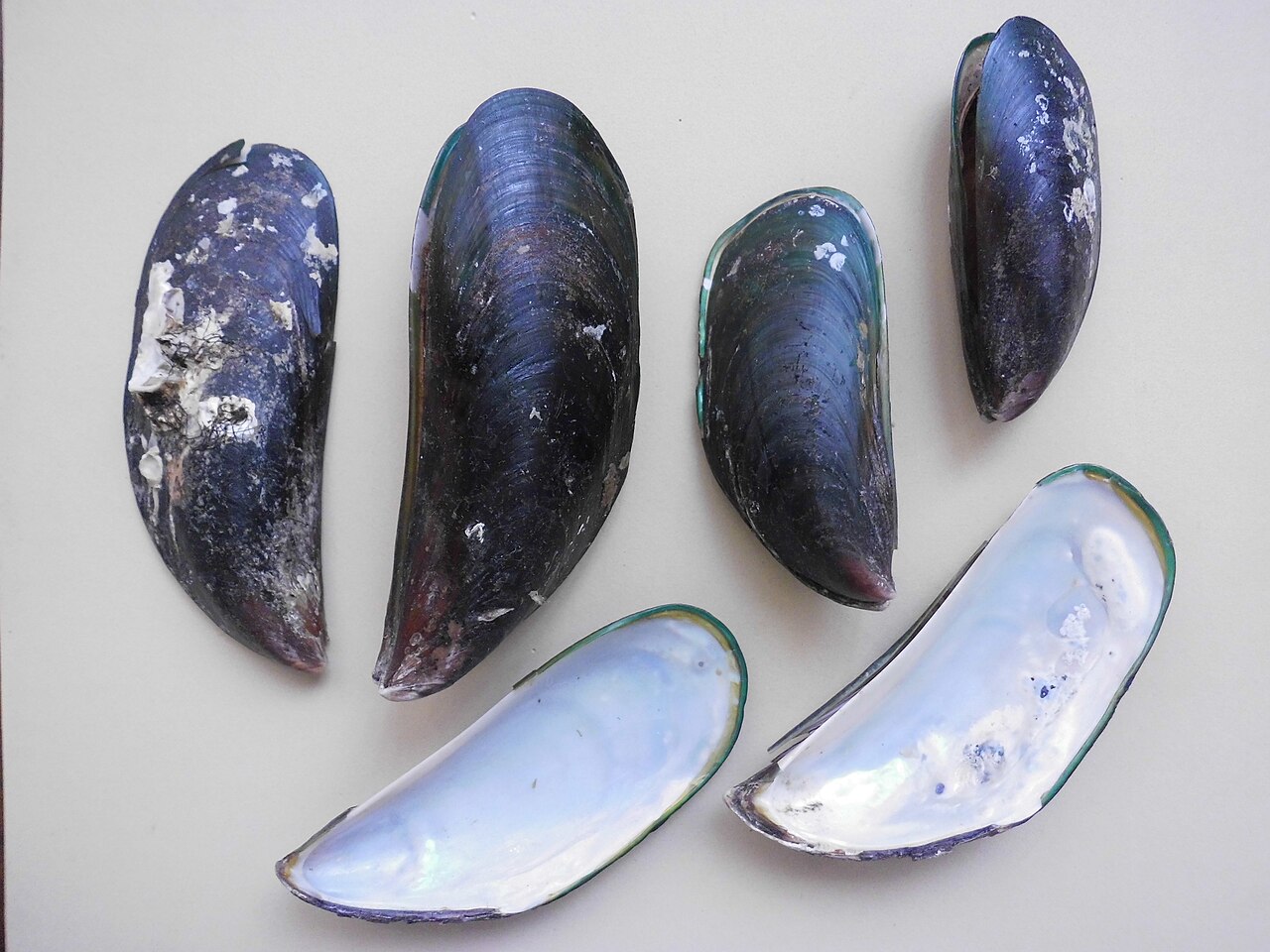
The ICAR-Central Marine Fisheries Research Institute (CMFRI) has supplied another 500,000 hatchery-produced green mussel seeds to fisherfolk and tribal communities in Maharashtra, bringing the total to one million in the past six months, AgroSpectrum reports.
The seeds, 2 to 4 millimetres long, were raised at the bivalve hatchery of CMFRI's Vizhinjam Regional Centre in Thiruvananthapuram under the Pradhan Mantri Matsya Sampada Yojana. A further 100,000 oyster seeds from the institute's Madras Regional Station were also sent to the state. The aim, said CMFRI director Dr Grinson George, is to turn marine fisheries research into livelihoods through sustainable bivalve farming on the Maharashtra coast.
A team led by principal scientist Dr M K Anil trained 30 officials of Maharashtra's Mangrove Cell in nursery rearing and farming of mussels and oysters, so that they can pass the methods on to local communities. The Mangrove and Marine Biodiversity Conservation Foundation of Maharashtra is organising farmer participation, and the Union Department of Fisheries supports the project.
"Bivalve farming is a low-investment, low-operational-cost technology with significant potential to strengthen coastal livelihoods while supporting ecosystem health," George said. Once established in suitable places, mussels and oysters need few outside inputs if water quality is right, and with good site selection, monitoring and harvesting they can offer steady income, particularly in coastal and mangrove areas. Because they feed by filtering water, he added, farming them alongside mangrove restoration can also help improve water quality.
Photo: Veronidae (green mussels, Perna viridis) / Wikimedia Commons (CC BY-SA 3.0)
Source: AgroSpectrum

Comments
(0)