
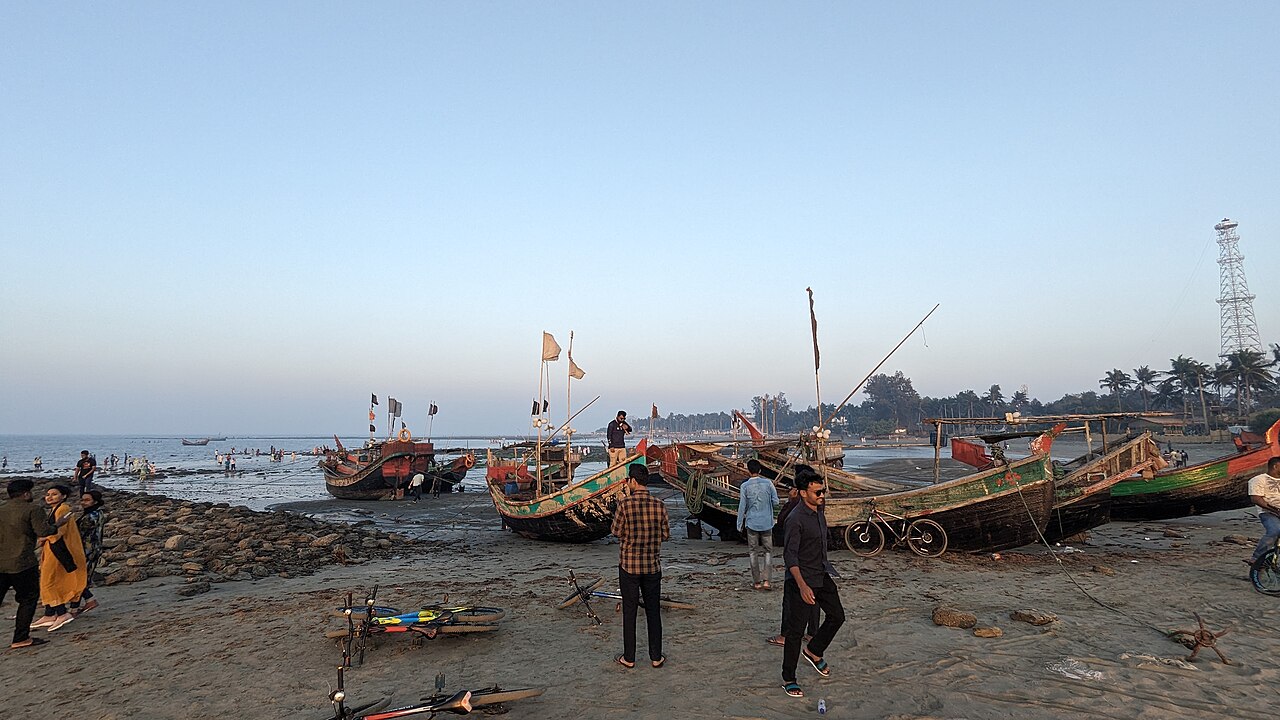
Bangladesh's catch from the Bay of Bengal keeps falling. Figures from the Bangladesh Bureau of Statistics (BBS) show the marine catch fell 16.57 per cent over the five years to fiscal 2024-25. The sea's share of total fish production dropped from 21.88 per cent in 1983-84 to 11.12 per cent in 2024-25.
Department of Fisheries figures show small-scale and traditional boats landed 513,819 tonnes in 2023-24 and 451,661 tonnes the following year. Over the same period industrial trawlers raised their catch from 114,804 to 116,651 tonnes. The report says large trawlers fishing shallow water compete with small-scale fishers and put pressure on particular species, which is why fishing grounds and methods need controlling.
A major weakness is the lack of reliable, current data on stocks: which species are where, in what numbers, and how much can be taken while stocks recover. That leaves uncertainty over the commercial prospects of deep-sea species such as tuna and the risks of investing in them. The report calls for modern vessels and gear, storage, skilled crews, species-based research and coordinated data collection at landing centres.
Environmental risks add to the strain: changes in water temperature and acidity, pollution and coastal development can affect fish habitat and migration, and illegal fishing and abandoned nets kill fish and other marine animals. Regular scientific surveys, protection of breeding grounds and monitoring to remove ghost nets are recommended.
The economic stakes are large. In 2023-24 fisheries contributed 2.53 per cent of GDP and 22.26 per cent of agricultural GDP, and exports of fish and fish products earned Tk 4,531.86 crore (for the whole sector, not marine fish alone), according to the Department of Fisheries. A continued decline could hit supply, prices and the incomes and jobs of coastal fishers; the report says harvest rules matched to stocks, enforcement of restrictions and more deep-sea fishing capacity are now essential.
Reported by News Bangla 24's staff correspondent.
Photo: Fishing trawler anchored at Cox's Bazar beach, Tanvir Rahat / Wikimedia Commons (CC BY-SA 4.0)
Source: News Bangla 24

Comments
(0)