
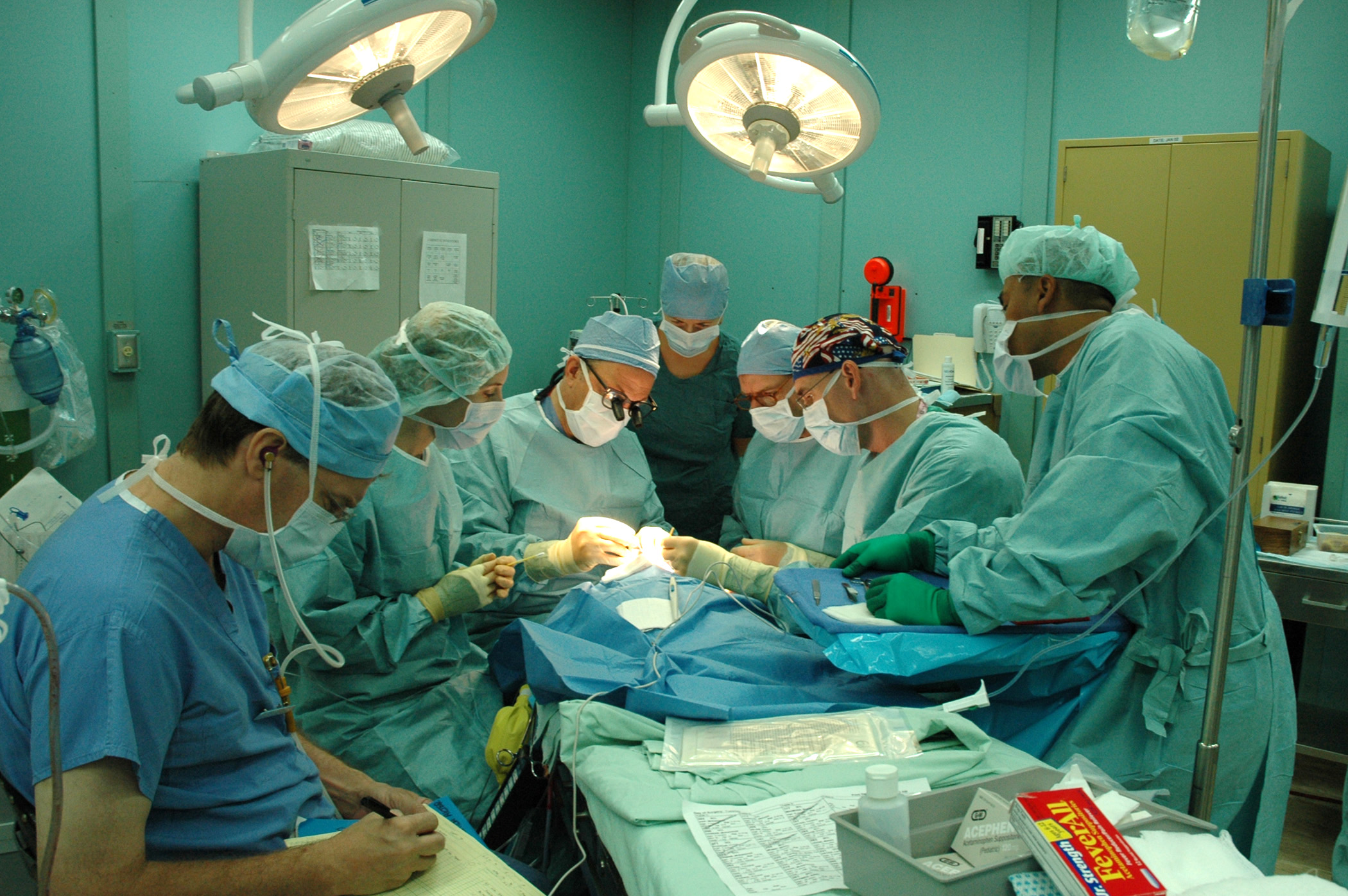
A cleft lip or palate is one of the most common birth defects, and many families in Bangladesh still see it as a curse or bad omen. Dr Shahnur Sharmin, former professor and unit head of plastic surgery at Bangladesh Medical University, writes in Prothom Alo that it is a physical condition with good treatment.
Between the 4th and 12th weeks of pregnancy, she explains, five segments of the face fuse to form the lip and palate; if that process is disturbed, a gap remains. About one child in 700 is affected. Family history, folic acid deficiency, uncontrolled diabetes in the mother, smoking or some medicines taken in pregnancy can play a part, but often no cause is found, so parents should not be blamed.
Treatment comes in stages. The lip is repaired at 3 to 6 months, once the baby weighs five kilograms and haemoglobin is 10, joining not only the skin but the muscle beneath so the child can smile. The palate is closed at 9 to 12 months, before speech develops. The gum bone is built up at 6 to 8 years, before the permanent teeth come in, and minor corrections to the nose follow between 9 and 18.
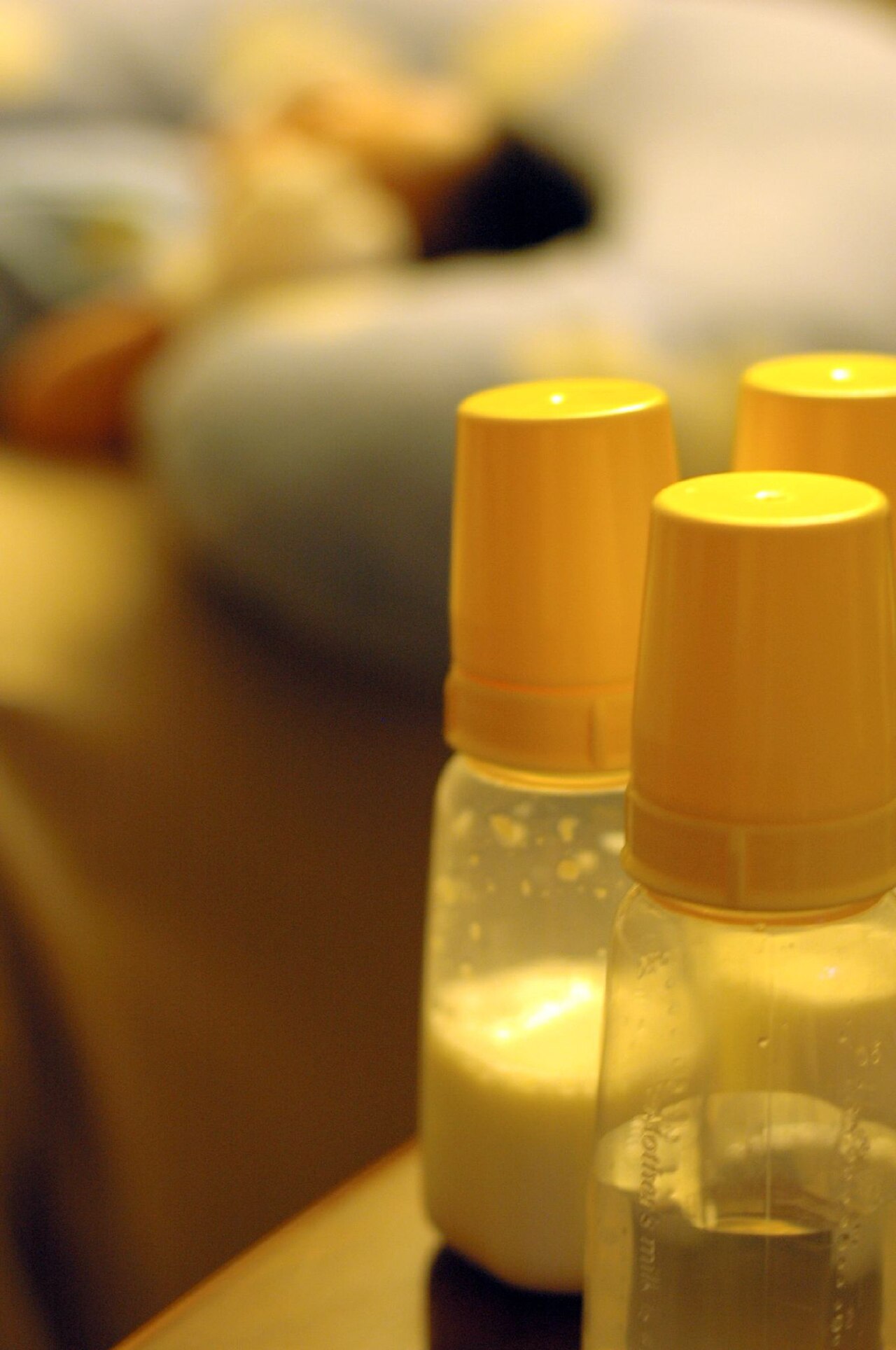
Feeding is the first challenge. A baby with a cleft palate struggles to suck and milk may come out through the nose, so she advises learning feeding techniques from a trained health worker and using special feeding bottles if needed, while watching weight, ear infections, hearing and teeth. Nasal speech or trouble with some sounds may need speech therapy; children should be encouraged, never mocked.
Good care needs a team: besides the plastic surgeon, a paediatrician, anaesthetist, dental and orthodontic specialists, a speech therapist, an ear, nose and throat specialist and a nutritionist.
Many children in Bangladesh now get treatment through public and private hospitals, specialised centres and charities such as Smile Train, she writes, but a shortage of specialists in remote areas, poverty, superstition and families not returning for follow-up remain big obstacles.
Photo: Operation Smile surgeons repair a cleft lip in Chittagong (2006, file), U.S. Navy / Wikimedia Commons (public domain)
Source: Prothom Alo


Comments
(0)