
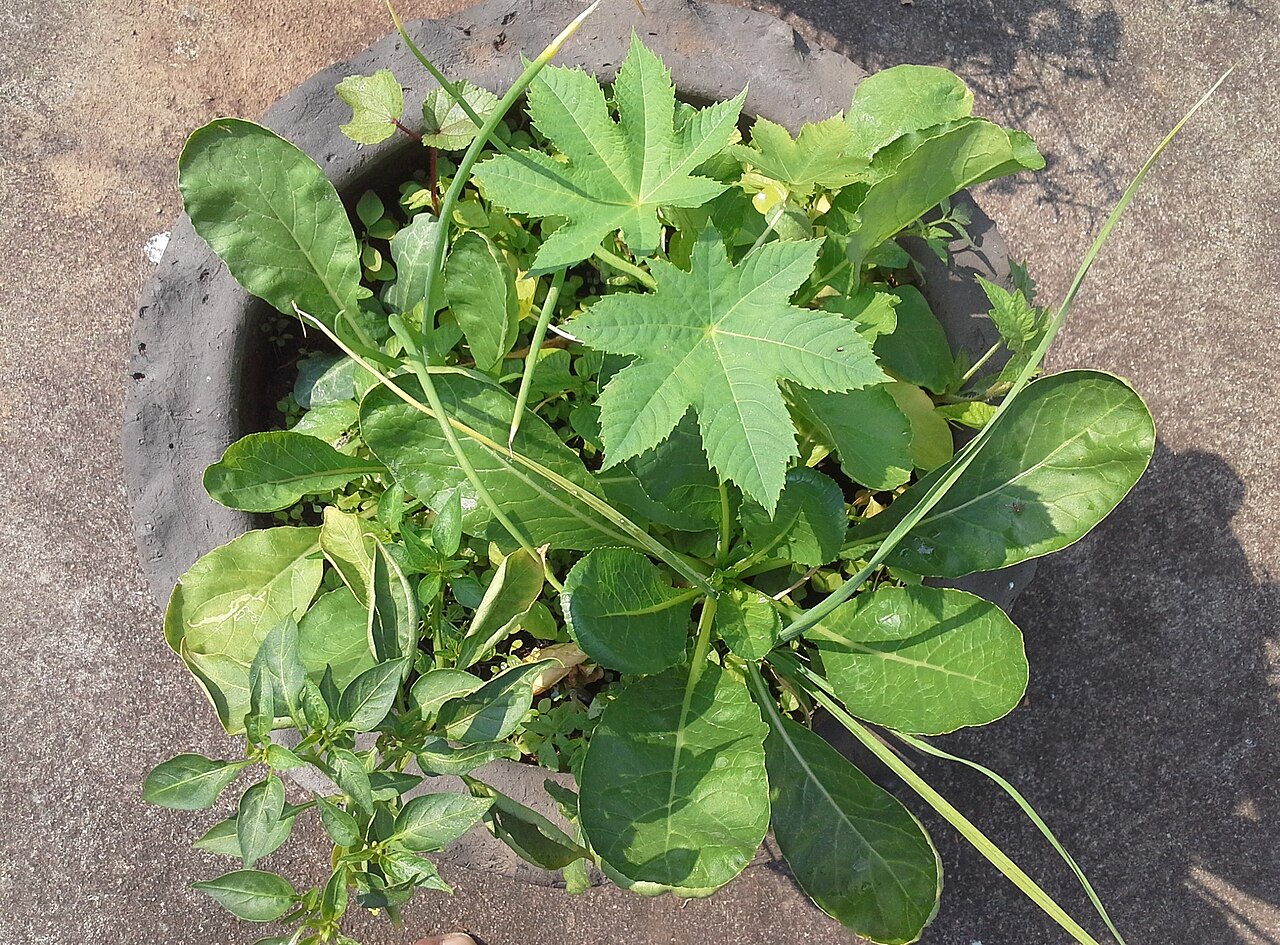
Open ground is shrinking in Bangladeshi cities, but a planned garden on a house roof can still grow flowers, fruit and vegetables. A guide published by Agricare24 says a rooftop garden is more than a hobby: to make it last, the roof's load-bearing capacity, the use of space, the choice of plants, the size of containers, drainage and regular care all have to be planned from the start.
The first step is to know the roof's area and structure. Decide where pots and vegetable beds will go, mark the beams and columns, and draw a rough plan on paper. Heavy pots, drums and large trees are best placed near beams and columns, and if there is any doubt about the building's strength an engineer should be consulted. Seedlings should be fresh, free of disease and of kinds that cope with conditions on a roof.
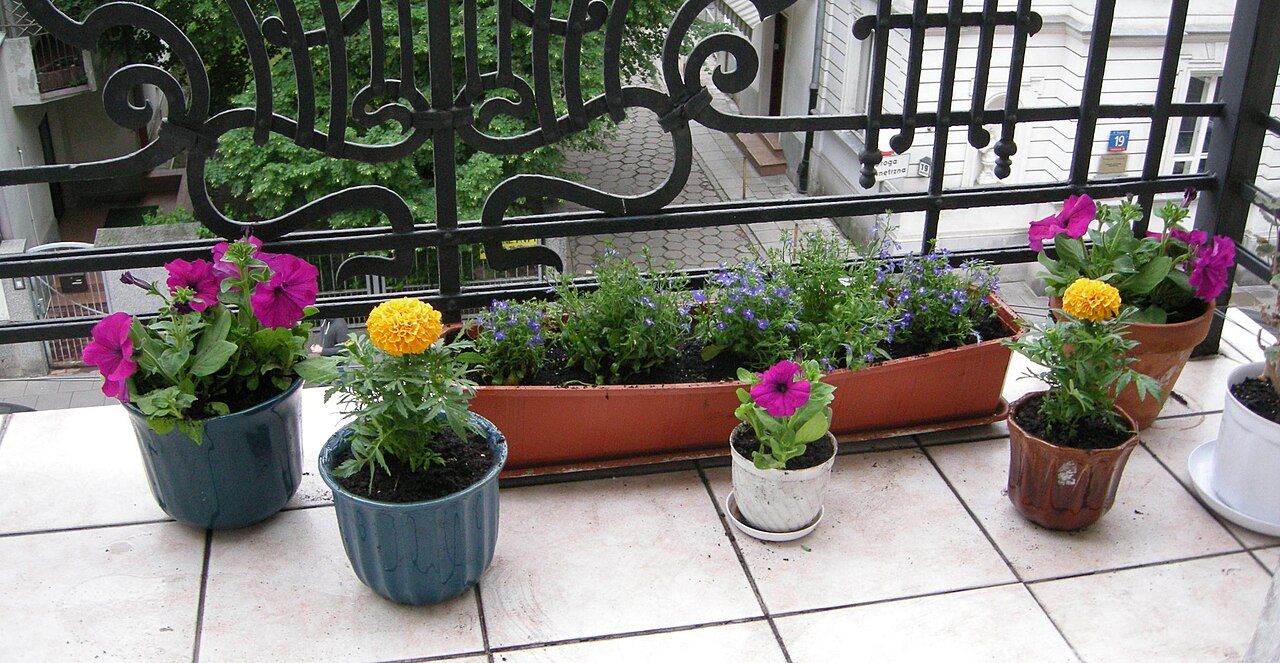
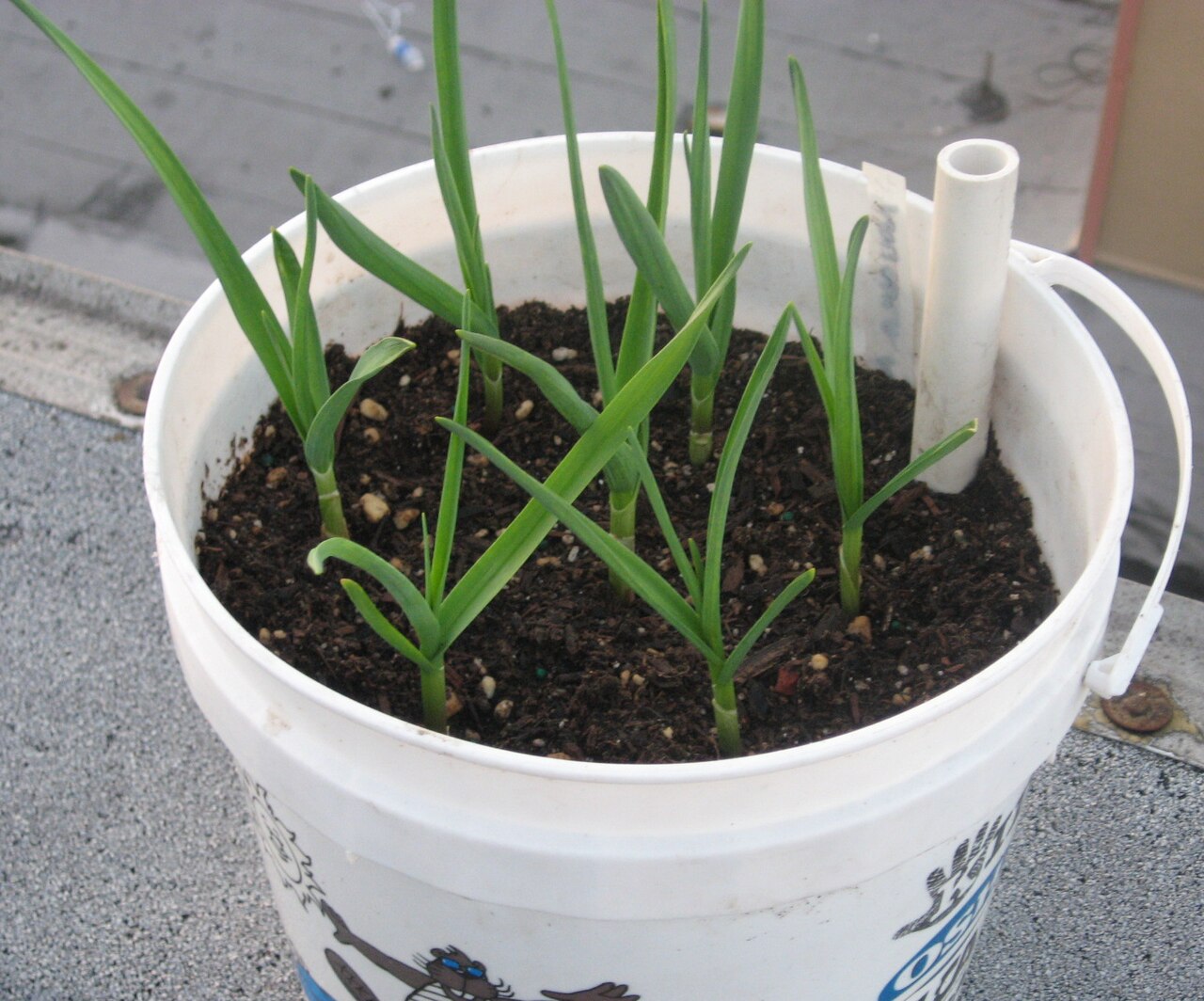
Clay, plastic or cement pots, half drums and trays all work, and old buckets or drums can be reused if they are safe. Small containers suit leafy vegetables and flowers; fruit trees need large ones. Every container needs a way for water to drain out. Permanent or temporary beds should not sit directly on the roof surface: leave a gap underneath and make sure water can run off.
For a fruit tree, drill several holes in the bottom of the drum and cover them with broken pot pieces or brick chips. Fill the drum with loam mixed with well-rotted organic manure and leave it for a few days, then dig a hole the size of the seedling's root ball in the centre and plant it. Keep the root ball intact, trim excess or dead roots, tie the plant to a stake and water it well.
Plants of different heights can share the space: leafy greens, chillies, aubergine and tomatoes in low beds, flowers in separate pots. Each plant should be placed so that it does not block another's light and air, and so that it gets the sun it needs.
The real work starts after planting: watering as needed, weeding, loosening the soil, feeding and watching for pests and disease. Pruning extra branches keeps the plant in shape and encourages new shoots, flowers and fruit. Potting soil loses fertility over time, so old soil should be replaced with fresh soil rich in organic matter when needed.
The guide puts most weight on drainage. Water standing in a pot or drum can rot the roots, and water pooling on the roof can damage the building. Enough holes in every container, and a roof where water never stands, are the basic conditions for a safe rooftop garden.
Photo: Adityamadhav83 / Wikimedia Commons (CC BY-SA 4.0)
Source: Agricare24

Comments
(0)