
China's Ministry of State Security alleged in June 2026 that foreign intelligence agencies were fitting sea turtles and fish with tracking and monitoring devices to gather information about the country's coastal waters and the weak points in its coastal defences. The claim was made in a post on the ministry's social media account and was reported by international news agencies and newspapers on 12 June 2026. The ministry did not name any country or agency, and it did not say where or when the animals were found.
According to the ministry, the sensors were collecting data such as sea temperature, salinity and ocean currents and sending it abroad by satellite. It asked fishermen to report any unusual buoys or devices they find at sea and called for careful security checks on equipment brought in from abroad. None of the reports carried any independent evidence for the claim, and the allegation is the ministry's own.
What the ministry alleged
The post was titled "Under the deep blue, undercurrents are surging", in the translation used by the news agency AFP. One section, headed "spy turtles, spy fish", said that "relatively large marine animals with sensors attached have been discovered in certain waters of China". The animals, the ministry said, were found "swimming in a specific area, collecting sensitive data about the marine environment such as water temperature, salinity and ocean current, transmitting it overseas via satellite".
The ministry argued that such data would let foreign powers build "underwater maps" that could "identify weak points in China's coastal defences, posing a serious threat to China's national security". The Deseret News, which read the post on WeChat, reported that it opened with the line that "an unseen covert war of espionage is quietly unfolding" and warned that the intelligence gathered "will seriously endanger China's national security, military security, and economic security". According to the same report, the ministry also said that knowledge of China's offshore oil and gas deposits could lead to the leak of marine resource secrets and "potentially trigger disputes over resources development rights".
The ministry referred only to "foreign intelligence agencies" in general and to "a certain sea area of China". Euronews noted that Beijing did not identify any particular country or agency, and the Deseret News reported that the ministry gave no details of where the animals were found or where they came from.
Buoys, gliders and devices on cargo ships
The animals were only one part of the ministry's warning. It listed several other kinds of equipment that it said foreign groups were using to gather marine intelligence:
- Monitoring buoys: the ministry described a spherical ocean buoy with a weather kit, an anchor chain and a listening sensor, which it said could collect sound-wave data and the acoustic signatures of Chinese submarines in real time.
- Wave gliders: a "new type of wave glider", powered by solar energy for its detection, communication and positioning systems, which it said could gather and send overseas information on the marine environment and on ship movements.
- Equipment on merchant ships: devices installed by foreign companies as "navigation services" on cargo ships, which the ministry said could capture "port dynamics" in real time and build a "maritime surveillance network" over Chinese waters.
The ministry called on fishermen to report suspicious buoys or devices and urged proper security checks on equipment received from abroad. The Deseret News and The Daily Beast both reported that fishermen could receive rewards of up to 500,000 yuan for uncovering spying devices; The Daily Beast noted that its report did not make clear whether this was a new incentive or part of existing rules.
The Ministry of State Security and its public warnings
The Ministry of State Security is China's main civilian intelligence agency. It was approved on 20 June 1983 and combines intelligence, counter-intelligence and secret police work; it is often compared to the American CIA and FBI combined. Its headquarters are in Beijing's Haidian District.
For most of its history the ministry kept a very low public profile. CNN reported in August 2023 that it had not even had a public website before it opened an account on WeChat, China's most popular messaging app, at the end of July 2023. In its first posts it called on "all members of society" to join the fight against espionage and promised to commend, reward and protect people who report it. CNN noted that earlier campaigns had offered up to 100,000 yuan for significant tips, with certificates for lesser ones.
The account became much busier over time. Radio Free Asia reported in February 2025 that it had published five warnings in January 2025 alone, under the slogan "National Security is Everyone's Responsibility". One of them warned that foreign agents might pose as "rich and beautiful, or tall, rich and handsome individuals" to approach people with access to secrets. AFP described this as a warning about "honeytrap" schemes.
The warnings sit alongside a tougher law. China's revised Counter-Espionage Law took effect on 1 July 2023. According to CNN's report, it widened the meaning of espionage beyond state secrets to include any "documents, data, materials or items related to national security", and treated cyber attacks on critical infrastructure as espionage. Data on the sea around China, of the kind the ministry described in June 2026, falls within the area the ministry says it is guarding.
How scientists put sensors on turtles and other sea animals
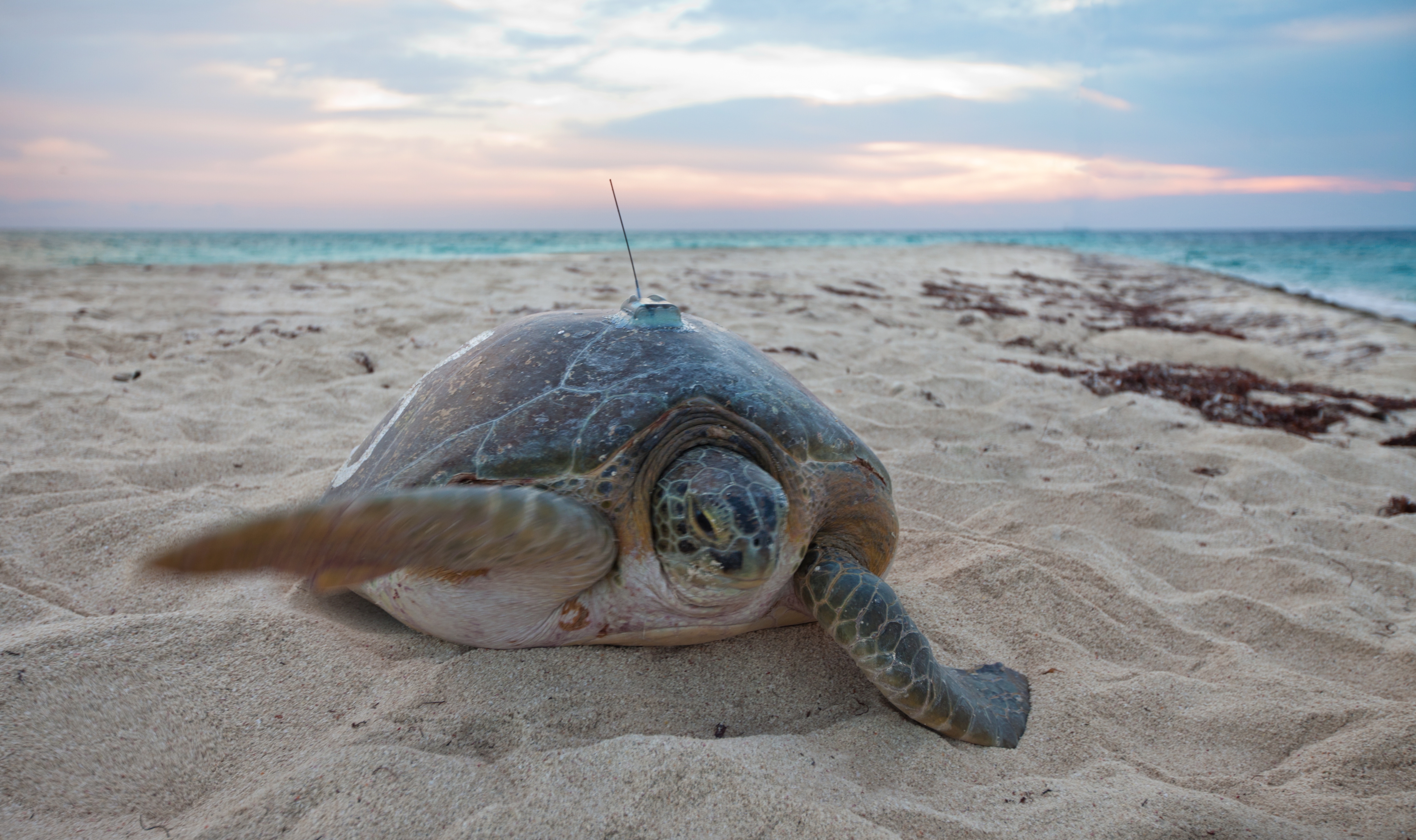
Fixing electronic tags to sea turtles, seals and fish is an established tool of marine science, used worldwide to learn where the animals travel and what conditions they live in. The ministry's post did not say whether the tags it described belonged to scientists or to intelligence agencies, and none of the reports showed a picture of a tagged animal from Chinese waters.
A satellite tag for a sea turtle is a small radio transmitter fixed to the top of its shell. A 2021 study in the journal Ecology and Evolution, led by Graeme Hays, examined 78 Fastloc-GPS Argos tags placed on green and hawksbill turtles between 2012 and 2019. The tags were embedded in epoxy on the shell and coated with antifouling paint. They worked for 267 days on average and sent an average of 48,397 messages to the Argos satellite system; in 87 percent of the cases where data stopped arriving, the cause was a flat battery. The authors noted that early studies used fibreglass cloth to hold a tag in place, while much stronger epoxies are used now.
Chinese scientists use the same method. A study published in Frontiers in Marine Science on 14 February 2023 described six juvenile green turtles that the Huidong Sea Turtle National Nature Reserve in Guangdong released with satellite transmitters at Huidong Turtle Bay between 3 May and 11 August 2021. The turtles were tracked for between 10 and 91 days and travelled between 124 and 4,627 kilometres, and the researchers used the data to find their feeding grounds in the South China Sea.
Tags also turn animals into ocean observers. The international consortium Marine Mammals Exploring the Oceans Pole to Pole (MEOP) fixes tags that measure conductivity, temperature and depth on deep-diving animals such as southern elephant seals, and has collected vertical profiles of sea temperature and salinity in the world ocean since 2004. It makes its databases publicly available to scientists. These are the same kinds of measurement, temperature and salinity, that the Chinese ministry said its "spy turtles" and "spy fish" were collecting.
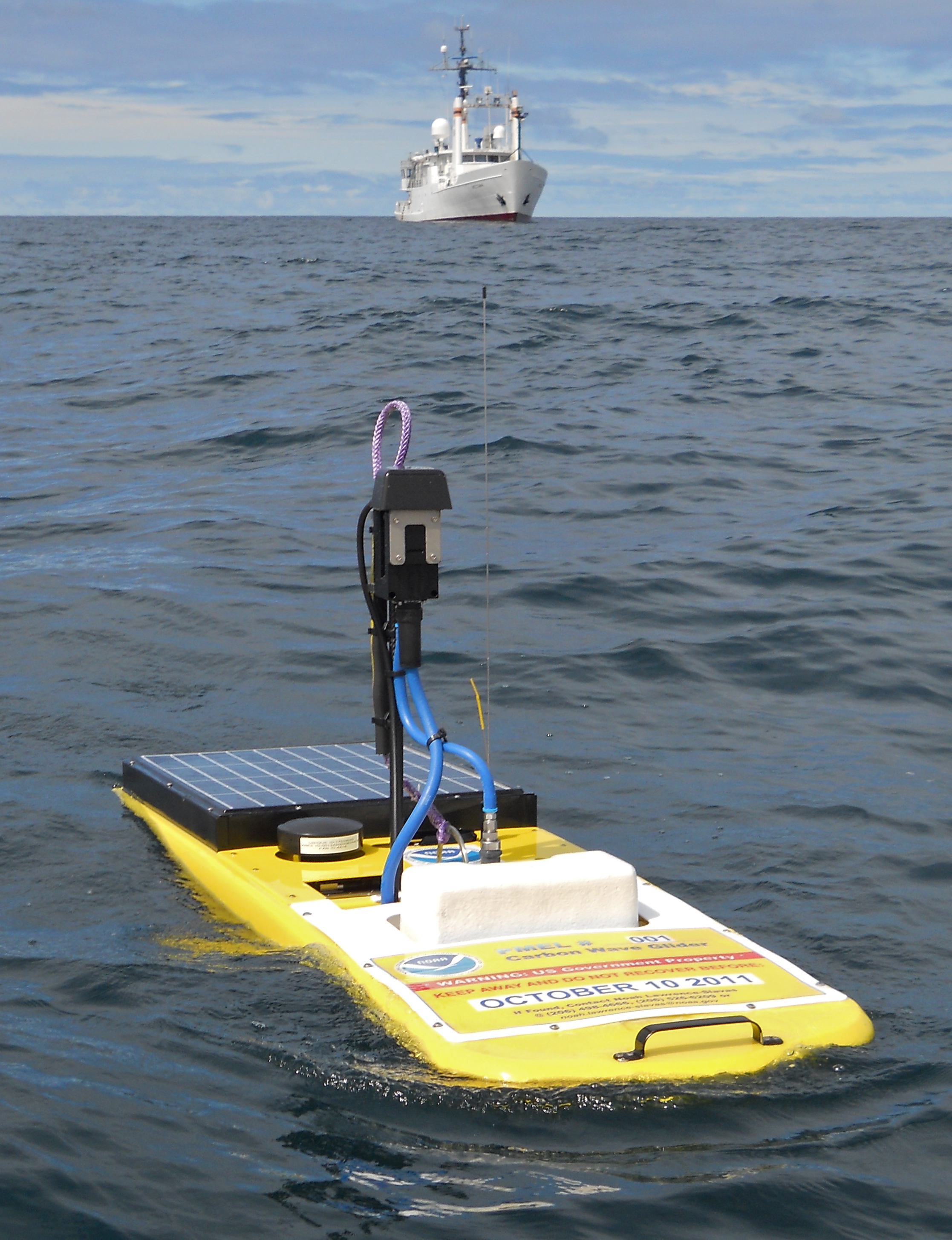
Most such ocean data is gathered by machines rather than animals. The international Argo programme, which began in the early 2000s, runs a worldwide fleet of thousands of drifting floats. Each float rests at about 1,000 metres, dives to 2,000 metres every ten days and rises to the surface measuring temperature and salinity, then sends its data by satellite. The data is freely available to everyone, without restriction. Temperature and salinity matter to the military as well as to scientists because they shape how sound travels underwater, and therefore how well sonar can find a submarine.
Sea turtles in Chinese waters
Five species of sea turtle live in Chinese waters: the loggerhead, hawksbill, olive ridley, green turtle and leatherback. The 2023 Frontiers study notes that all of them were classed as vulnerable, endangered or critically endangered on the 2014 IUCN Red List, and that in 2021 China raised all sea turtles to the first level of protected wildlife.
The tracked green turtles in that study used feeding grounds in the Beibu Gulf, at Zhanjiang Port, Daya Bay, Red Bay, Nan'ao Island and Zhelin Bay, areas with mangroves, seagrass beds and coral reefs. The authors wrote that sea areas with seagrass beds usually have green turtles. They released the animals during China's summer fishing moratorium, which in 2021 ran from 1 May to 16 August, because the closure reduces the risk from fishing gear. The study names bycatch in commercial fishing as a major source of injury and death for sea turtles.
That link to fishing gives the ministry's appeal to fishermen its weight. China is the world's largest fish producer: according to the FAO report The State of World Fisheries and Aquaculture 2024, it accounted for 14.3 percent of the world's capture fisheries production in 2022 and remained the major producer of aquatic animals overall, with 36 percent. FAO put total world fisheries and aquaculture production in 2022 at a record 223.2 million tonnes, of which Asia produced 75 percent. China's fishing fleets are therefore the people most likely to come across a buoy, a glider or a tagged animal at sea.
Earlier finds of ocean drones in Chinese waters
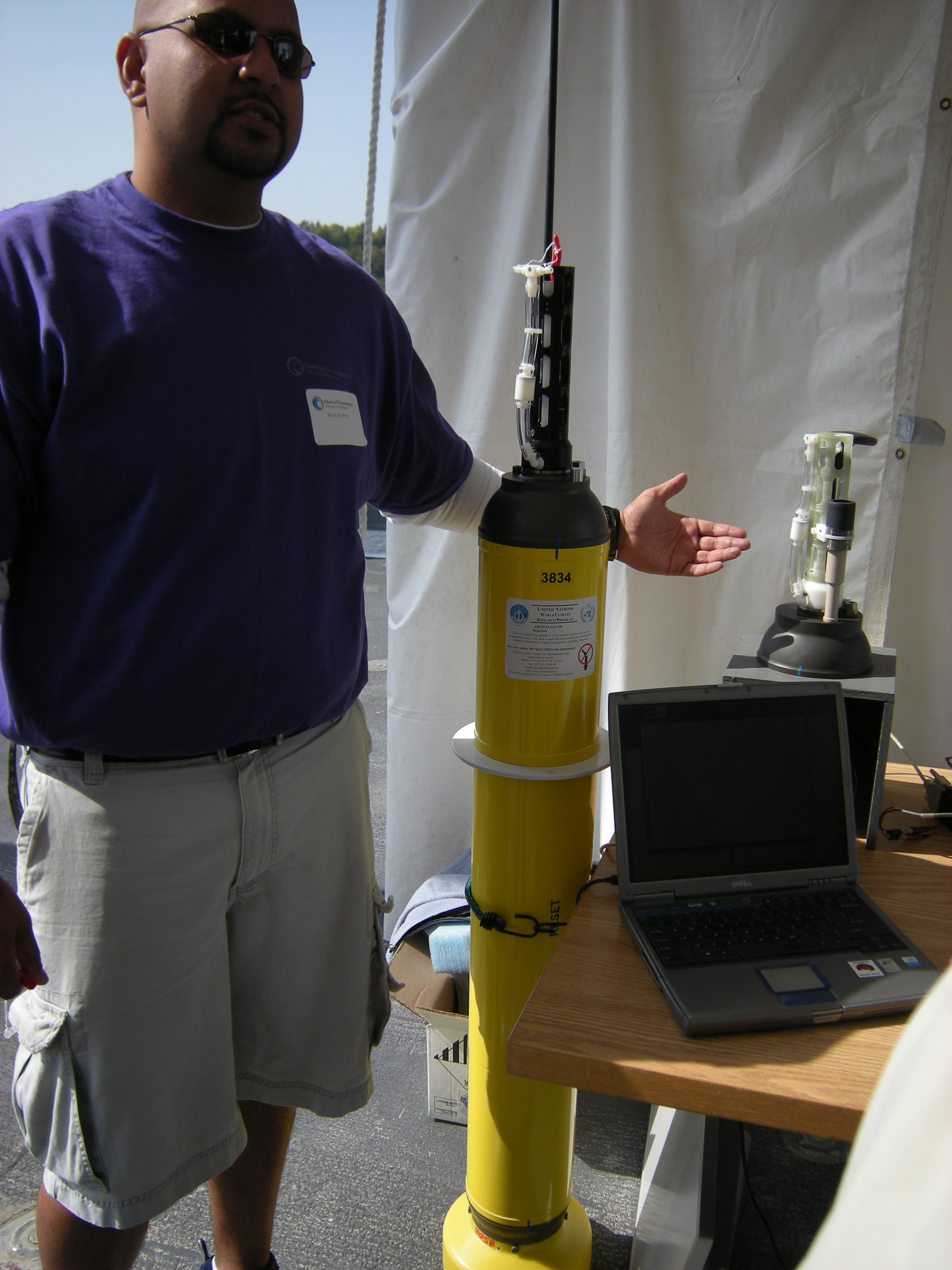
Chinese fishermen and naval ships have handed over or seized ocean instruments before. On 15 December 2016 a Chinese navy ship seized an unmanned underwater glider that the U.S. oceanographic survey ship USNS Bowditch was about to recover, about 50 nautical miles northwest of Subic Bay in the Philippines. The Pentagon said the glider used unclassified, commercially available technology and collected data on water temperature, salinity and clarity. China's defence ministry said the handover was completed on 20 December 2016; Beijing said the device had posed a safety hazard to other ships and that it opposed U.S. reconnaissance in the South China Sea, while Washington called the seizure unlawful.
In April 2021 China's state broadcaster CCTV reported that a fishing boat in the Yellow Sea off Yancheng, north of Shanghai, had pulled up a black, surfboard-shaped device about three metres long with antennas and solar panels, which officials suspected was "a reconnaissance device secretly placed by a foreign country". The Maritime Executive noted that it looked identical to the Wave Glider made by Liquid Robotics, and that an unmarked Chinese-made Sea Wing glider had been found near Indonesia's Makassar Strait in December 2020.
In January 2022 authorities in Jiangsu province rewarded fishermen who had handed over underwater devices. The Xinhua Daily reported that since 2020 Jiangsu fishermen had found ten foreign-made devices capable of underwater investigation. The Wave Glider itself is an American design: Liquid Robotics, founded in 2007 and bought by Boeing in December 2016, builds a two-part craft whose surface float is pulled forward by a submerged wing rack using wave motion, with solar panels powering its electronics. It is used for ocean research, monitoring of marine life and defence work.
Animals in military and intelligence work elsewhere
Navies have trained marine animals for decades. The U.S. Navy Marine Mammal Program began in 1960 and is based in San Diego; it mainly uses bottlenose dolphins and California sea lions for mine detection, recovering equipment from the seabed and harbour security, and in 2003 its dolphins helped clear mines in the Persian Gulf during the Iraq war.
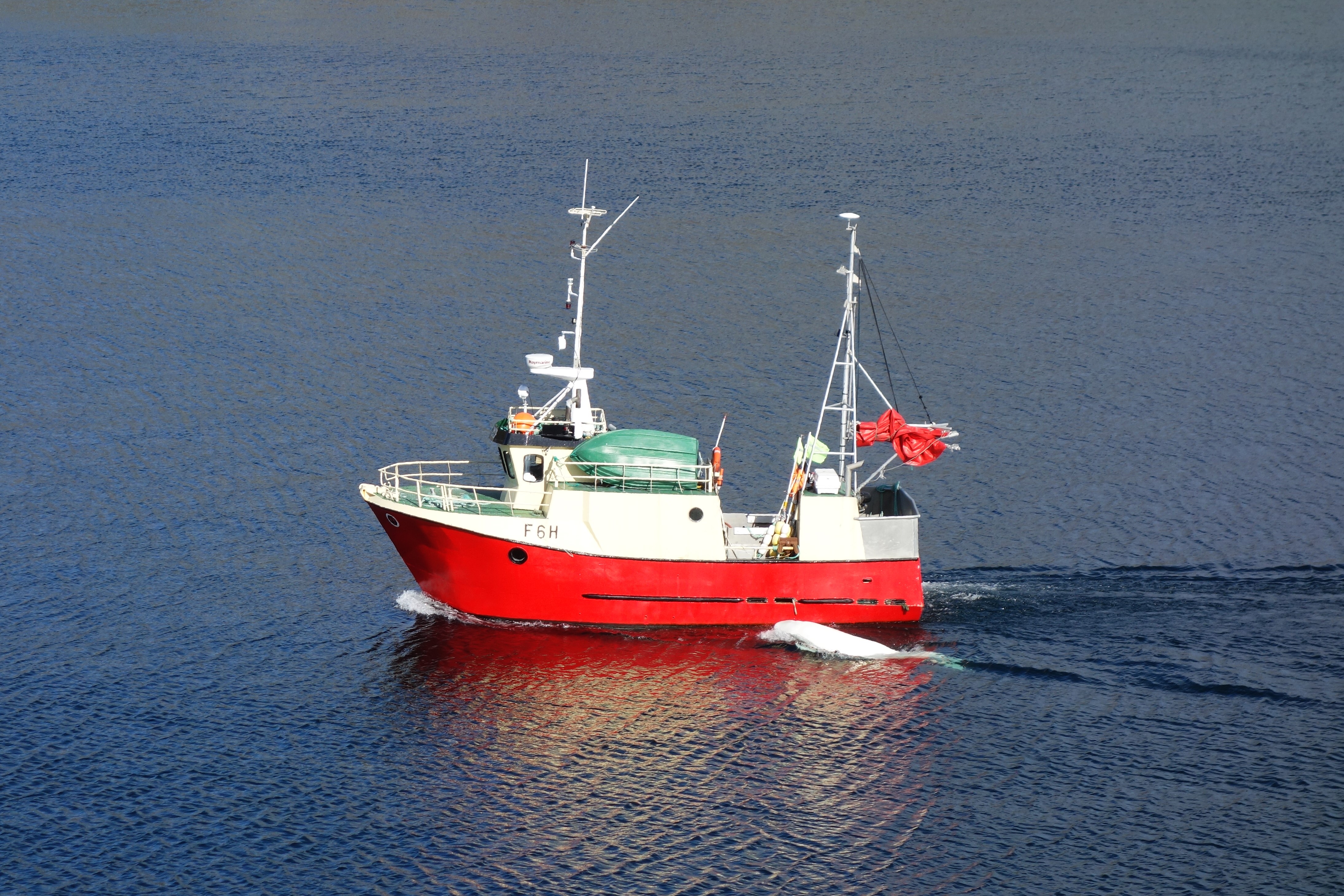
In April 2019 a beluga whale wearing a tight harness with a camera mount appeared near Hammerfest in northern Norway. The buckle carried the words "Equipment St. Petersburg", which led to speculation that the whale had been trained by the Russian navy. The whale became known as Hvaldimir. Russia neither confirmed nor denied that it had escaped from a naval base. The whale was found dead in Risavika Bay near Stavanger on 31 August 2024, and a necropsy found a bacterial infection from a stick lodged in its mouth.
In June 2023 the UK Ministry of Defence said in an intelligence update that Russia had likely added trained bottlenose dolphins to the defences of its Black Sea Fleet base at Sevastopol, to counter enemy divers, and that it also used beluga whales and seals in Arctic waters.
A wider row over espionage
The ministry's warning came during a period of claims and counter-claims of spying between China and Western governments. On 3 June 2026 the Five Eyes intelligence partners, Australia, Canada, New Zealand, the United Kingdom and the United States, warned that Chinese intelligence services were posing as recruiters on sites such as LinkedIn, Indeed and Upwork and asking applicants for reports on defence and foreign policy.
In Europe, a London court on 7 May 2026 convicted two men of assisting a foreign intelligence service by watching pro-democracy Hong Kong activists in Britain on behalf of Hong Kong; they were believed to be the first people convicted in Britain of spying for China. The Chinese embassy accused Britain of fabricating the charges, and Euronews reported that Beijing called the proceedings a "political farce". On 20 May 2026 German federal prosecutors had a married couple arrested in Munich on suspicion of working for a Chinese intelligence agency and seeking contacts with scientists in aerospace, computer science and artificial intelligence. In February 2026 French prosecutors charged four people, two of them Chinese nationals, over a satellite-dish installation in the Gironde that they said could intercept military communications, and Greek authorities arrested an air force colonel accused of passing classified NATO-related information to China. In each case the accusation is the prosecutors' and the cases were before the courts or under investigation.
The detention of a U.S. scholar in Kunming
The same week, China confirmed that it had detained Min Zin, a U.S. citizen who heads a think tank on Myanmar. He was detained on arrival at the airport in Kunming, in south-western Yunnan province near the border with Myanmar, on 3 June 2026. Foreign ministry spokesman Lin Jian said on 12 June that "Min Zin has been placed under criminal detention on suspicion of engaging in espionage and endangering China's national security." NPR reported, citing regional diplomats, that he had gone to Kunming at the invitation of a Chinese academic institution. The U.S. State Department said it was aware of reports of a U.S. citizen detained in China and that "whenever a U.S. citizen is detained, we work to provide the appropriate consular assistance."
Min Zin was a student activist in Myanmar's 1988 democracy movement. In a 2008 interview profile he was described as having gone into hiding in 1989 and escaped to the Thai-Burma border after the student demonstrations of 1996, where he worked as deputy editor of the exile magazine The Irrawaddy, before moving to the United States in August 2001 as a visiting scholar at the University of California, Berkeley. He founded the Institute for Strategy and Policy-Myanmar (ISP-Myanmar), which moved its work abroad after Myanmar's 2021 military coup and studies the conflict there and relations with China. NPR reported that he was a Ph.D. candidate in political science at Berkeley.
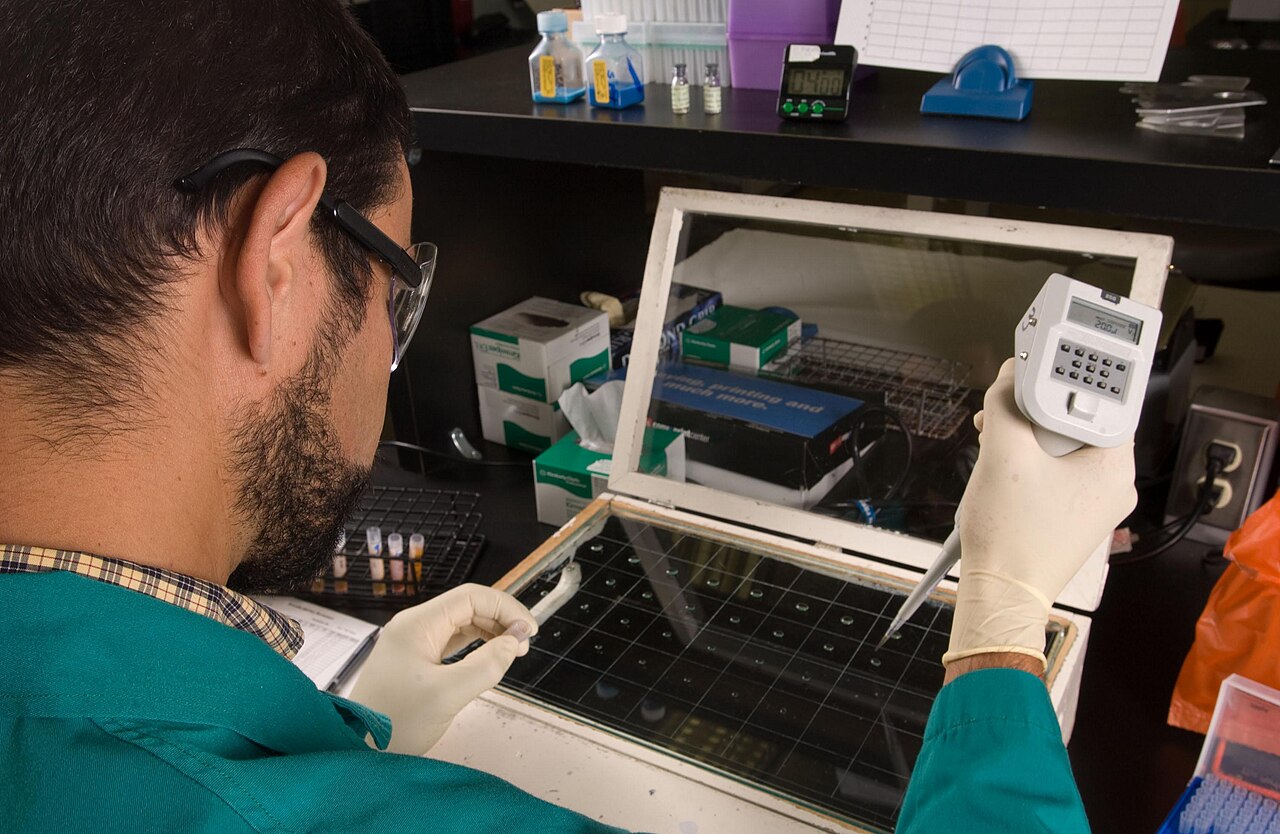
Photo: U.S. Geological Survey / Wikimedia Commons (Public domain)
Sources: Jagonews24 (citing Euronews), Euronews, AFP via The Defense Post and Taipei Times, Deseret News, The Daily Beast, CNN, Radio Free Asia, Ecology and Evolution (Hays et al. 2021), Frontiers in Marine Science (2023), MEOP, Argo, Christian Science Monitor, Al Jazeera, The Maritime Executive, Asia Financial, FAO, Global Seafood Alliance, Novaya Gazeta Europe, WTOP (AP), Reuters, NPR, Aaj News (AFP), Aktualne.cz, Wikipedia (Ministry of State Security, Wave Glider, U.S. Navy Marine Mammal Program, Hvaldimir)


Comments
(0)