
China's 55 percent tariff on Australian beef, in force since June, is now costing export plants production days, Beef Central reports. At least two and possibly three plants have stopped killing for lack of cold-storage space, either for China or for other markets, the first time since Brisbane's port closed in the floods of 2011 and 2022 that processors have had to halt because product was piling up in storage.
China imposed the tariff on Australian shipments above 205,000 tonnes. To avoid it, beef bound for China must be held in China-approved cold stores, in Australia or in bonded stores in China, until the tariff lifts on 1 January. "Large-scale cold stores in Brisbane, like Americold, are jammed to the eyeballs with frozen product, including a lot of Wagyu, but not exclusively, waiting to escape the China tariff," one export trader said. Exports to China last month were less than 7,800 tonnes, about a third of the volume in September last year.
Wagyu processors, and plants doing service kills for Wagyu supply chains, are hit hardest, since China is a major buyer and most Wagyu goes there frozen. Many of those cattle were already on 380 to 400-day feedlot programmes when the tariff was announced. Beef Central has heard, but could not confirm, that one plant is 2,000 to 2,500 head behind schedule, which leaves service-kill customers paying to keep cattle in feedlot pens beyond their planned days on feed.
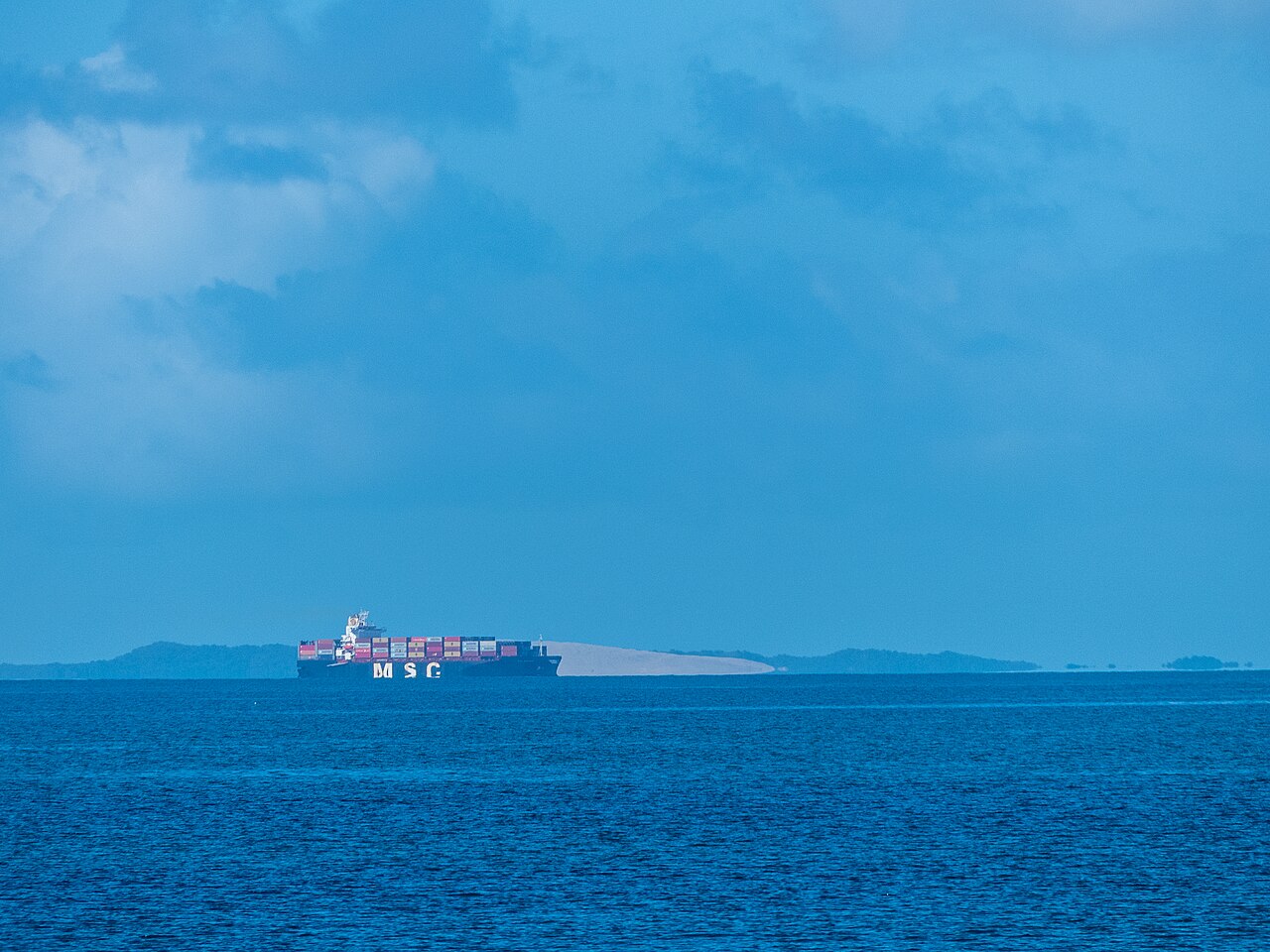
Exporters are improvising. Logistics contacts reported container ships loading in Brisbane for Panama, to turn around and deliver to China after a deliberate 60-day voyage, and at least one vessel from Melbourne heading to Rotterdam before doubling back, in effect a floating cold store. Empty refrigerated containers are now scarce, and weak domestic demand is pushing even more beef into storage.
Trade sources said the worst may be passing as product starts leaving for arrival after 1 January, and a lot of new cold storage is being built near the Port of Brisbane, though none will help this year. One large Wagyu processor warned that if Australia fills its 2027 quota quickly, possibly by Easter, fewer Wagyu may go on feed for exit between May and November 2027. "The volatility isn't going to change for Wagyu beef into China. If anything, next year could be worse," he said.
Who pays to hold the frozen beef is negotiated between buyer and seller, traders said; one advised smaller Wagyu suppliers without the capital to carry stock to insist on a 50 percent deposit or full prepayment.
Photo: John Robert McPherson / Wikimedia Commons (CC BY-SA 4.0)
Source: Beef Central

Comments
(0)