
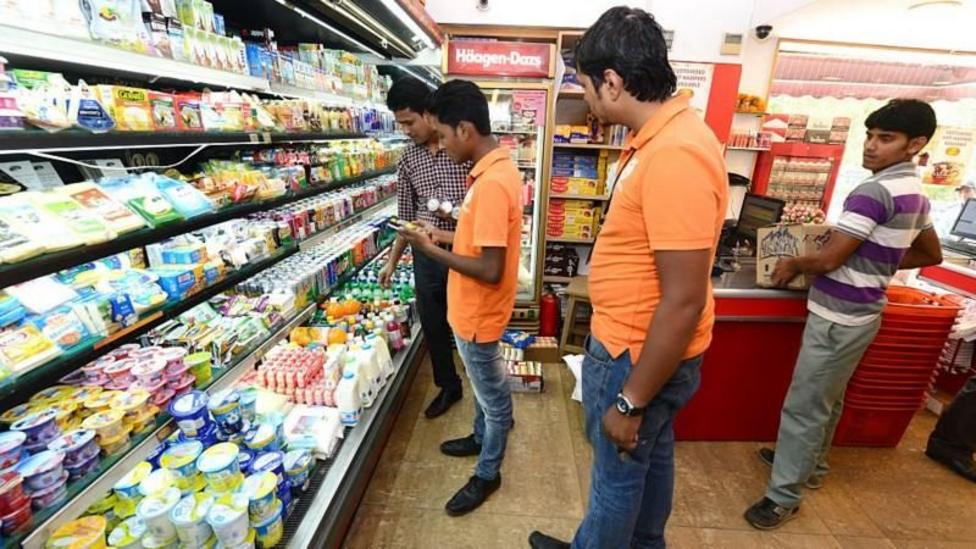
The Bangladesh Standards and Testing Institution (BSTI) has recently ordered several products, among them spices and ghee, withdrawn from the market after laboratory tests showed they did not meet the Bangladesh standard. The agency has also advised consumers not to buy substandard goods.
This is part of routine surveillance. BSTI regularly collects products from the market and tests them in its own laboratory, and it raids and takes action against makers of counterfeit, unapproved, expired and unlicensed goods. In July it ordered eight kinds of product — food and cosmetics — from four companies withdrawn for failing to meet the standard.
Responsibility is divided between two bodies. BSTI supervises 121 packaged food products in Bangladesh, while the Food Safety Authority oversees food of every kind.
The simplest check a shopper can make is printed on the wrapper. A H M Shafiquzzaman, president of the Consumers Association of Bangladesh, said: "Packaged products carry a QR code. Scan it on a phone and you will know."
Kazi Imdadul Haque, director general of BSTI, explained how the code works. "When a food is packaged, certain information must be stated on the wrapper. There will also be a QR code. Scanning it tells you. If it is counterfeit, detailed information will not appear in the QR code. If the product is genuine, all the information will appear," he said.
Where the product is bought also makes a difference, the consumer body says. "If you want authentic goods, my suggestion is that supermarkets generally follow proper procurement for authentic products. But the further you go towards the villages, the more they give you substandard products," Mr Shafiquzzaman said.
For the farm produce market the question matters, because processed goods — spices, ghee, edible oil, pickle — are how a farmer's crop reaches the final buyer. When confidence in quality is lost, the shock travels back down the supply chain.
Source: BBC Bangla


Comments
(0)