
Ten hot water treatment plants would be set up in Chapainawabganj to increase mango exports, Md Anwar Hossain, vice-chairman of the Export Promotion Bureau (EPB), said on Tuesday, 20 May 2025. Around noon he visited several export-quality mango orchards in the district, then spoke at a meeting with local exporters and traders organised by the Chapainawabganj Chamber of Commerce.
He said a mango board, a mango policy, mango processing and the distribution of solar panels to growers at low cost were also planned, and that these steps would raise mango exports.
The Chinese market and the export target
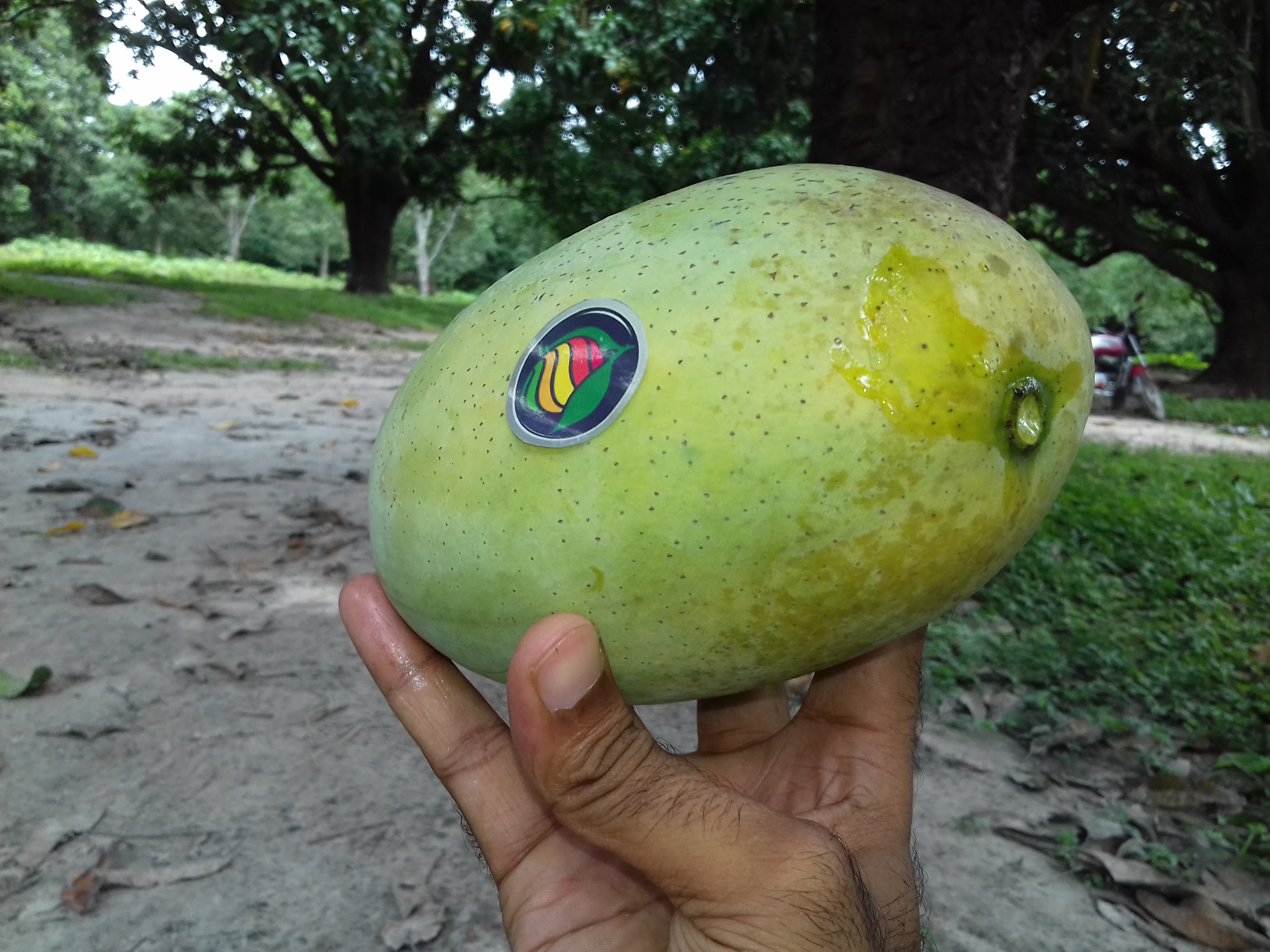
"This season 1 lakh 20 thousand tonnes of mangoes are set to be exported to the Chinese market alone," Md Anwar Hossain said. "We must work so that 5 lakh tonnes of mangoes can be exported within the next three to four years." He said foreign diplomats and importers would be invited the following month and introduced to Chapainawabganj's mangoes, so that more foreign currency could be earned from exports.
The same day, The Daily Star's Bangla edition reported the EPB as saying that the process of exporting mangoes to China had begun in response to the Chinese government's interest. China's General Administration of Customs (GACC) had announced on 26 July 2024 that fresh Bangladeshi mangoes would be admitted. According to the US trade publication The Produce Report, orchards, packing houses, cold stores and heat treatment facilities must be inspected and registered by Bangladesh's agriculture ministry and approved by the GACC, and the quarantine pest list includes the guava fruit fly and the peach fruit fly.
For scale, The Business Standard reported in April 2025 that Bangladesh exported 1,757 tonnes of mangoes in FY2021-22, 3,100 tonnes in FY2022-23 and 1,321 tonnes in FY2023-24, and that China imports about 4 lakh tonnes of mangoes a year.
Why hot water treatment matters
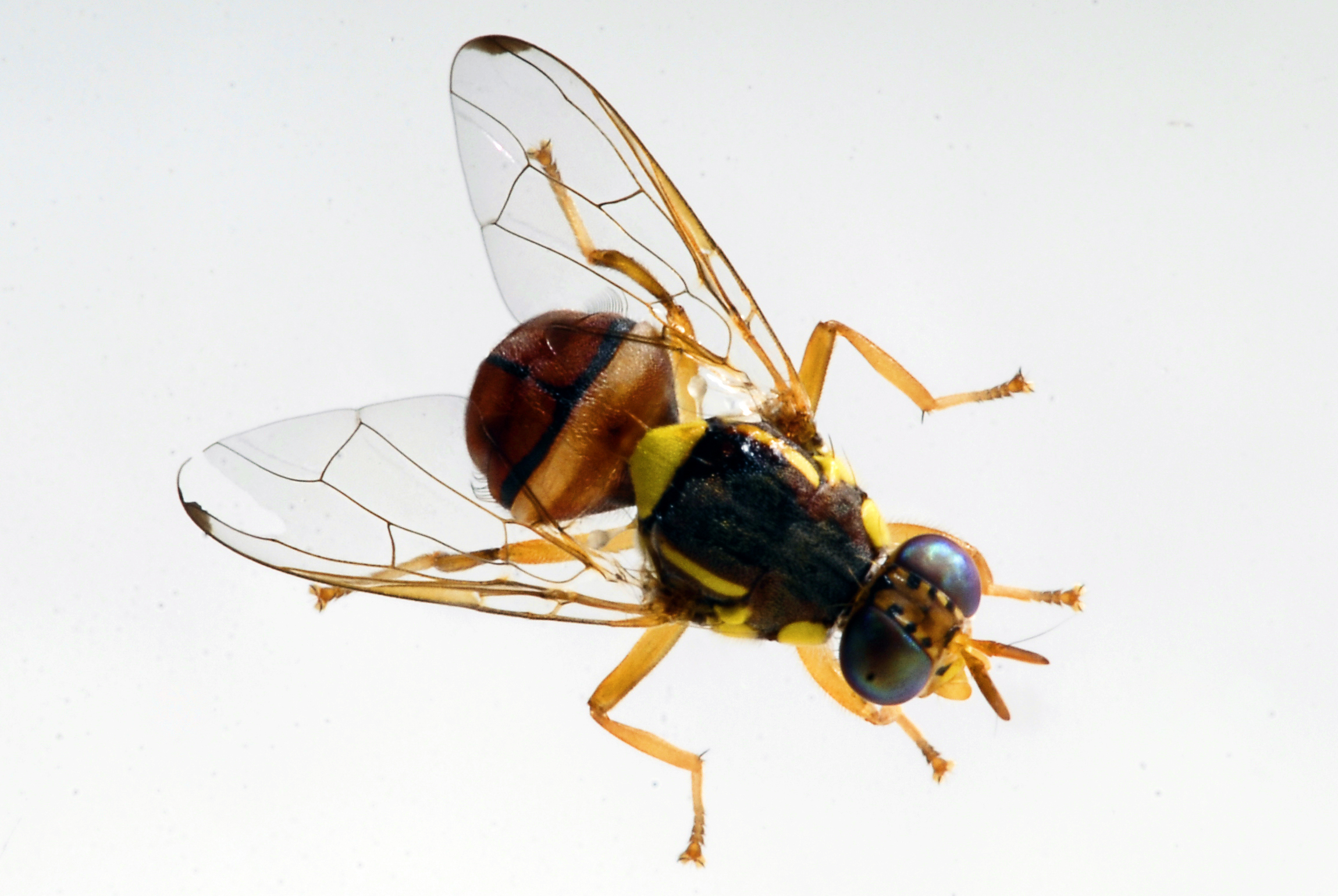
Hot water treatment means immersing mangoes in water held at a set temperature for a set time, so that pests inside the fruit, above all fruit fly eggs and larvae, are killed. China's protocol makes heat treatment compulsory before export: full immersion in water at 48 degrees Celsius for 15 minutes, or vapour heat that brings the fruit core to 46.5 degrees for 10 minutes.
The gap is not new. In June 2022 a grower in Bagha, Rajshahi, told BSS that hot water treatment was important to protect export mangoes from insects, but that Bangladeshi mangoes were not given it after harvest. In The Business Standard's April 2025 report, an exporter noted that the packing house was in Shyampur, Dhaka, while shipments left from the airport.
What the meeting asked for
According to the EPB statement published by The Business Standard, stakeholders at the meeting called for longer shelf life, hot water treatment facilities, chemical safety compliance, better packaging, fruit fly control and adherence to Good Agricultural Practices. The chamber urged an agro-based export processing zone in Chapainawabganj, a national mango policy, solar panels in orchards, easier credit, better quarantine facilities at grassroots level and direct air shipments from Rajshahi.
EPB figures put mango cultivation in FY2023-24 at 250,000 hectares and output at 2.589 million tonnes, ranking Bangladesh seventh in the world. In FY2024-25 mangoes went to the UK, Hong Kong, Canada, Bahrain, Switzerland, Italy and Sweden, with the UK the leading destination. Varieties exported include Langra, Fazli, Himsagar, Khirshapat and Ashwina.
Chapainawabganj, the north-westernmost district of Bangladesh, covers 1,702.55 square kilometres. Mangoes are the mainstay of its economy, which is why it is called the country's mango capital; Shibganj, Bholahat and Gomastapur upazilas produce the most.
The meeting was chaired by district chamber president Abdul Wahed. Md Shahjalal, director (commodities) of the EPB, and chamber vice-president Akhtarul Islam Rimon were among those present.
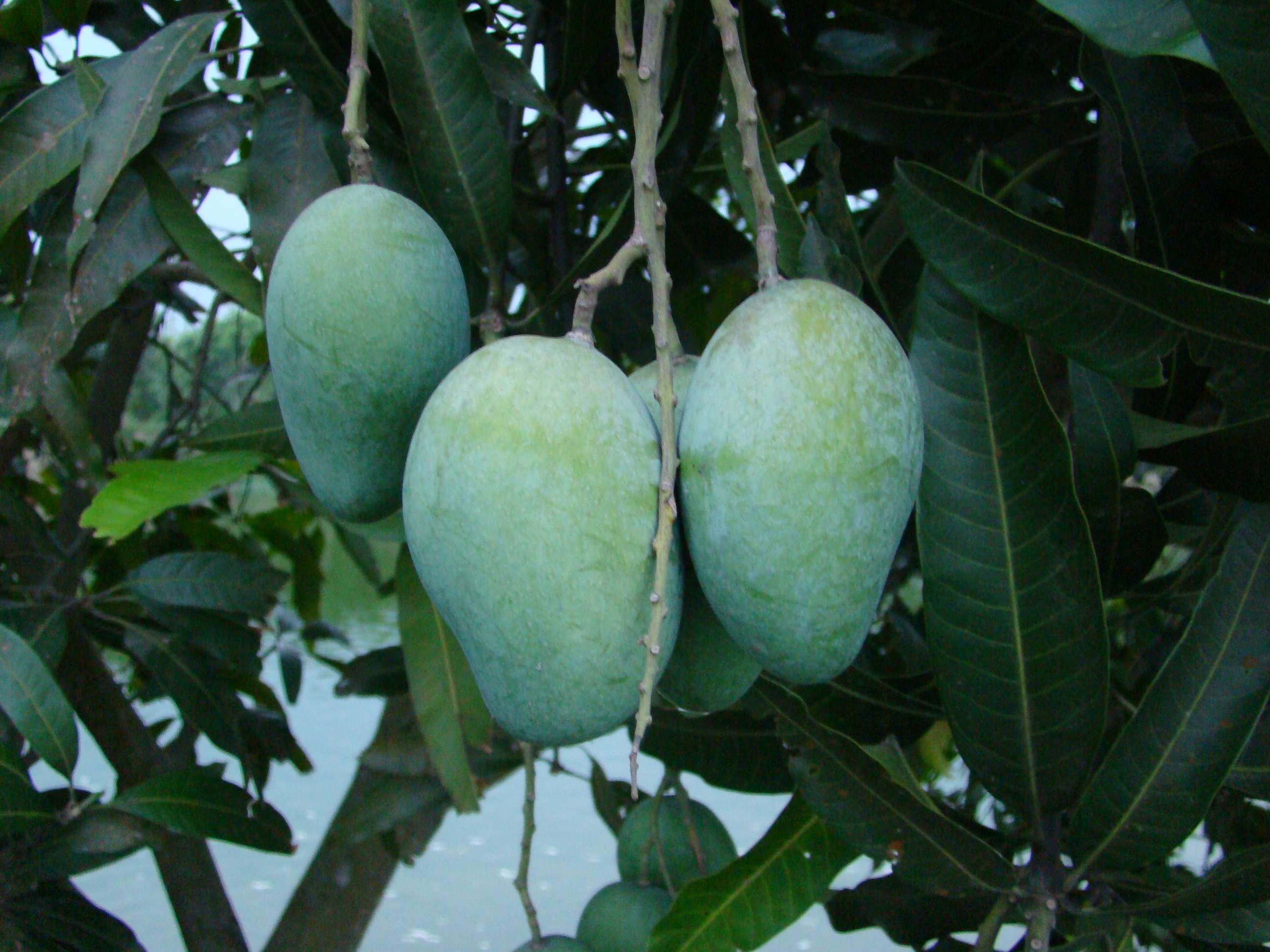
Photo: Mahmudul Karim Farsad / Wikimedia Commons (CC BY-SA 3.0)
Sources: Jagonews24, The Business Standard, The Daily Star Bangla, BSS, The Produce Report, Wikipedia
Comments
(0)