
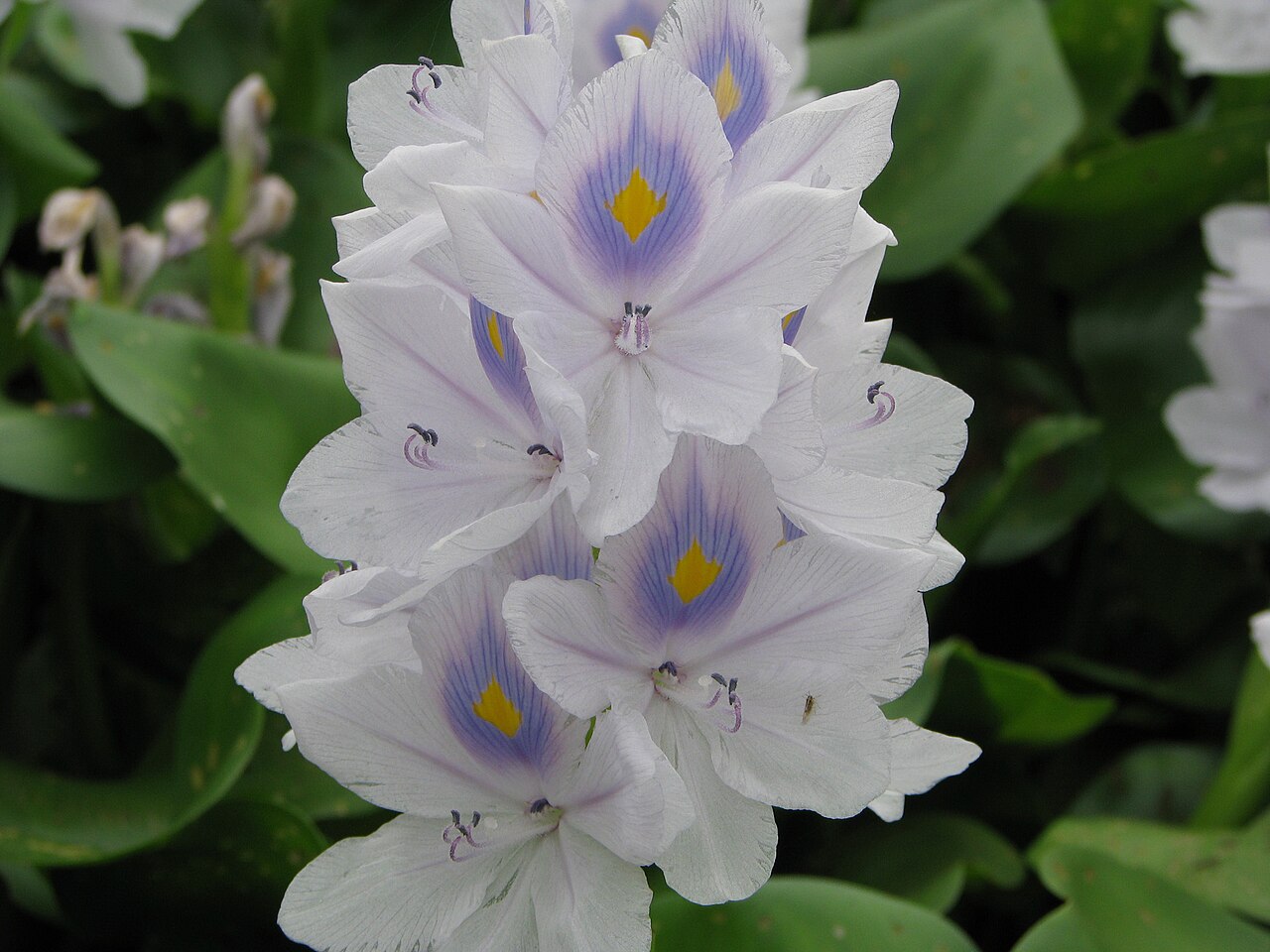
Water hyacinth carried in by the floods is stuck on the fields of Chalan Beel and threatening the rabi season. To clear it cheaply, some farmers are now using herbicides and pesticides, raising fears of water and soil pollution and putting fish, frogs, snails, birds and aquatic insects at risk.
Small plants that arrive with the floodwater should leave with it. But embankments, dug ponds and fishing barriers at the mouths of the channels stop them getting out, and they multiply until they spread across the wetland. The same thing has happened for several years. Mustard sowing is the immediate worry.
Singra upazila agriculture officer Mahmudul Hasan said 5,000 to 6,000 hectares in the upazila are under hyacinth again this year, and that farmers are losing out where land stays fallow. He is advising them not to use poison but to lift the plants and use them as organic fertiliser. He blames illegal net and bamboo barriers at canal and river mouths and unplanned pond digging on farmland.
Farmers say clearing land before rabi crops and boro costs an extra Tk 5,000 to Tk 10,000 a bigha. Abdul Karim of Indrasan village in Singra said hyacinth came back after clearing, and that wages are up and labour short. Ruhul Amin of Dahia village has 15 bighas in the Beel and cannot find anyone willing to lease it.
Saiful Islam, general secretary of the Chalan Beel Biodiversity Protection Committee, said indiscriminate herbicide use is harming fish, birds and other aquatic life and could hurt food production if it goes on. Environmentalists say the chemicals can spread through rain and wetland water. Closed links with rivers and canals and banned "China" nets are adding pressure on native fish breeding.
Photo: Balaram Mahalder / Wikimedia Commons (CC BY-SA 3.0)
Source: Krishi Shomoy

Comments
(0)