
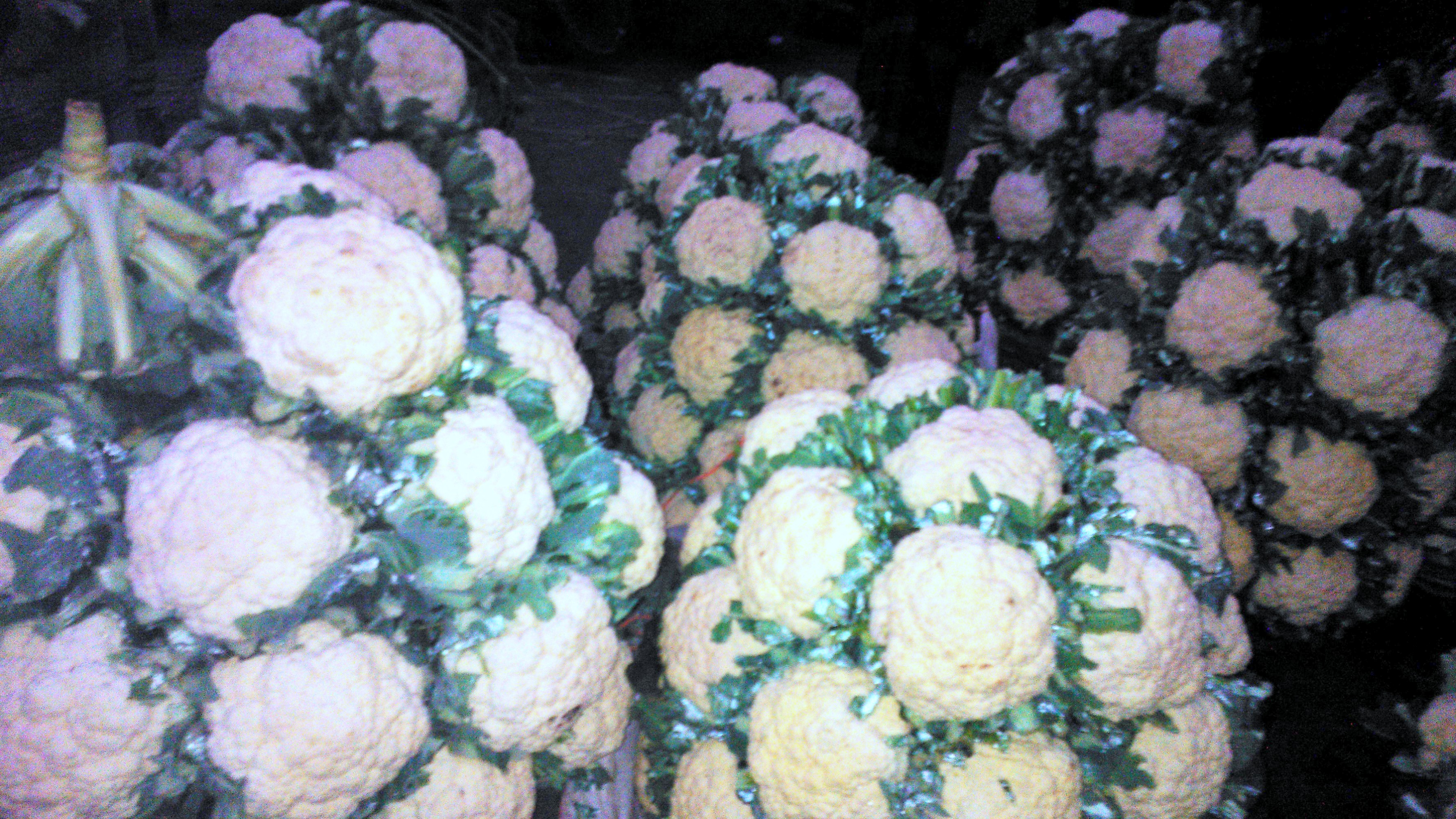
Cauliflower is sometimes called the king of vegetables. In Bangladesh this winter vegetable is usually fried, cooked in curries or made into soup, but simmered with milk, rice and date palm jaggery it can also become a sweet payesh. On 20 December 2025 the lifestyle desk of the Bangladeshi news site Jagonews24 published a recipe for cauliflower payesh, describing its taste as creamy, light and mild. The recipe is set out below as ingredients and steps, followed by some checked background on the dish and the vegetable.
Ingredients for cauliflower payesh
The Jagonews24 recipe uses two litres of milk in all, added in three stages rather than at once. The sweetener is date palm jaggery.
- Cauliflower: 1
- Milk: 2 litres (1 litre, then half a litre, then half a litre)
- Broken basmati rice: half a cup
- Condensed milk: half a cup
- Date palm jaggery: half a cup
- Cardamom: 3 to 4 pods, ground
- Ground cinnamon: 1 teaspoon
- Raisins and chopped nuts: to taste
Method
- Cut the cauliflower into small pieces.
- Heat one litre of milk, add the rice and let it cook.
- When the rice is nearly done, add half a litre of milk and the chopped cauliflower and bring it back to the boil.
- Once the cauliflower is cooked, add the jaggery, the remaining half litre of milk and the ground cinnamon and cardamom, and keep stirring.
- When the milk has thickened, add the condensed milk.
- Keep stirring and mix in the chopped nuts and raisins. The cauliflower payesh is ready.
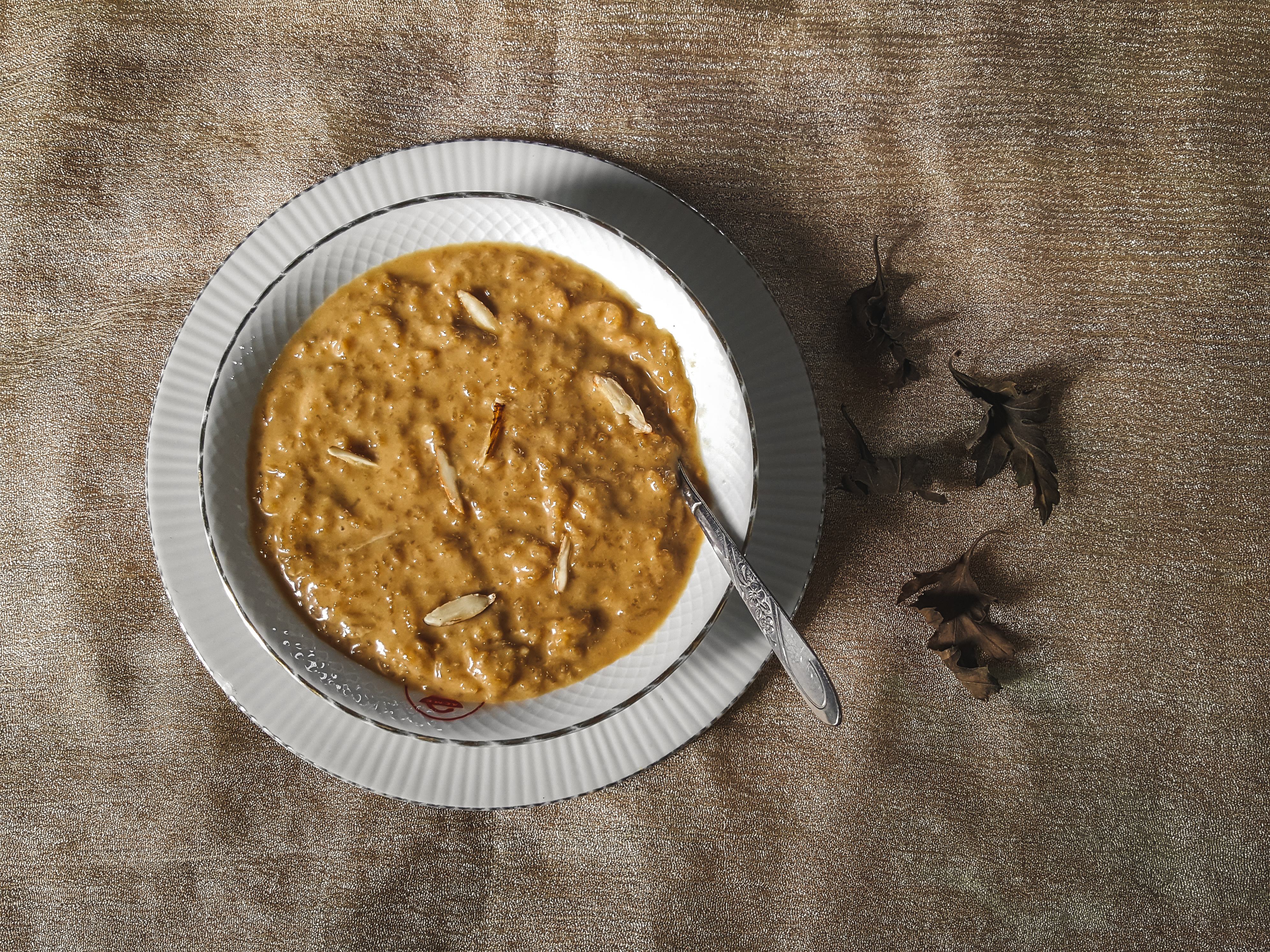
Payesh and date palm jaggery
Payesh is a rice pudding eaten across South Asia, known elsewhere in the subcontinent as kheer or payasam. It is usually made by boiling milk, sugar or jaggery and rice together, and flavoured with dried fruit, nuts, cardamom or saffron. Cracked wheat, vermicelli or sago sometimes take the place of rice. In cauliflower payesh the vegetable is added alongside the rice; the rest follows the familiar method.
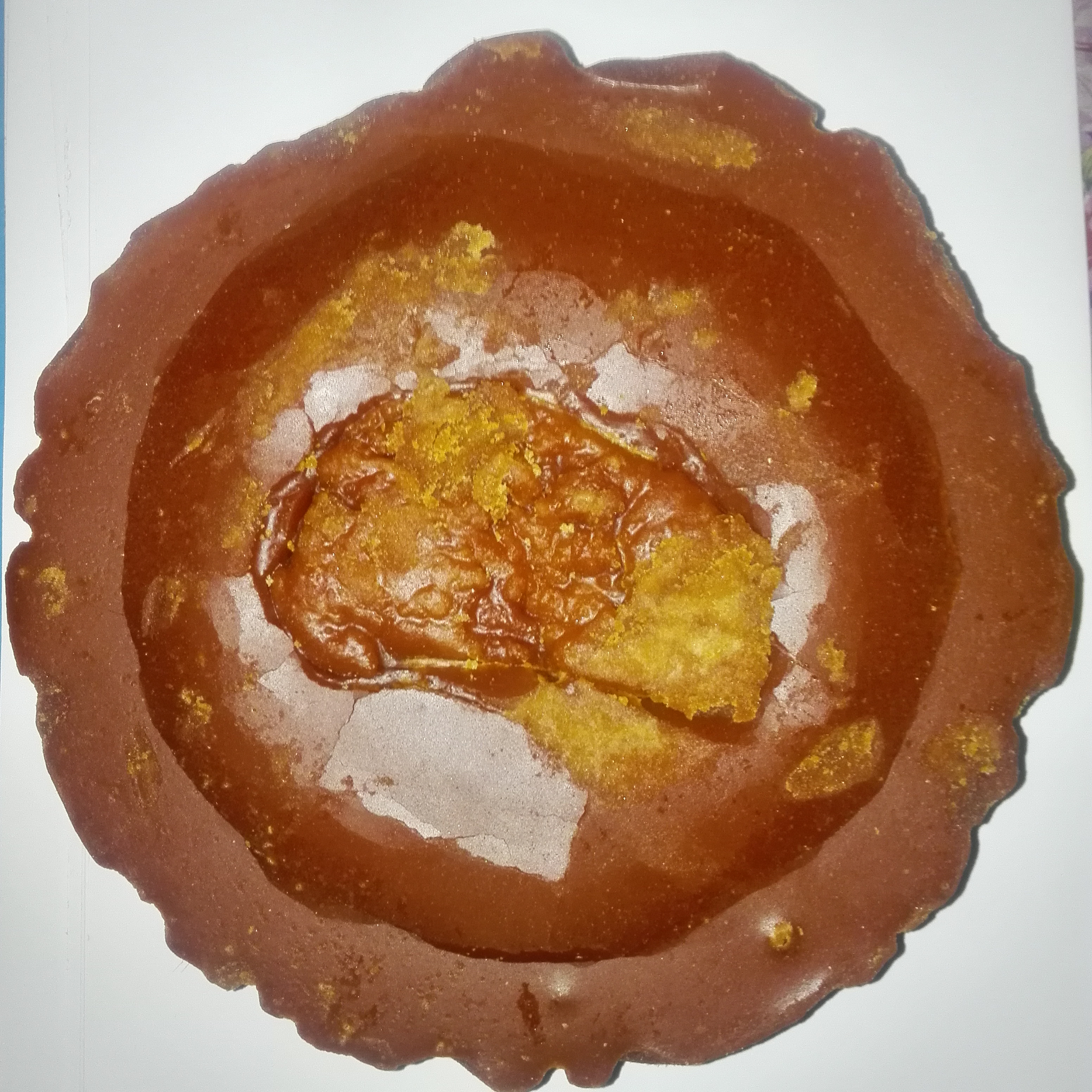
The jaggery in this recipe comes from the sap of the wild date palm (Phoenix sylvestris), a palm native to Bangladesh, India, Pakistan, Nepal and Myanmar. In Bangladesh and the Indian state of West Bengal the fresh sap is boiled down to make jaggery.
Cauliflower: a winter crop with notable vitamin C
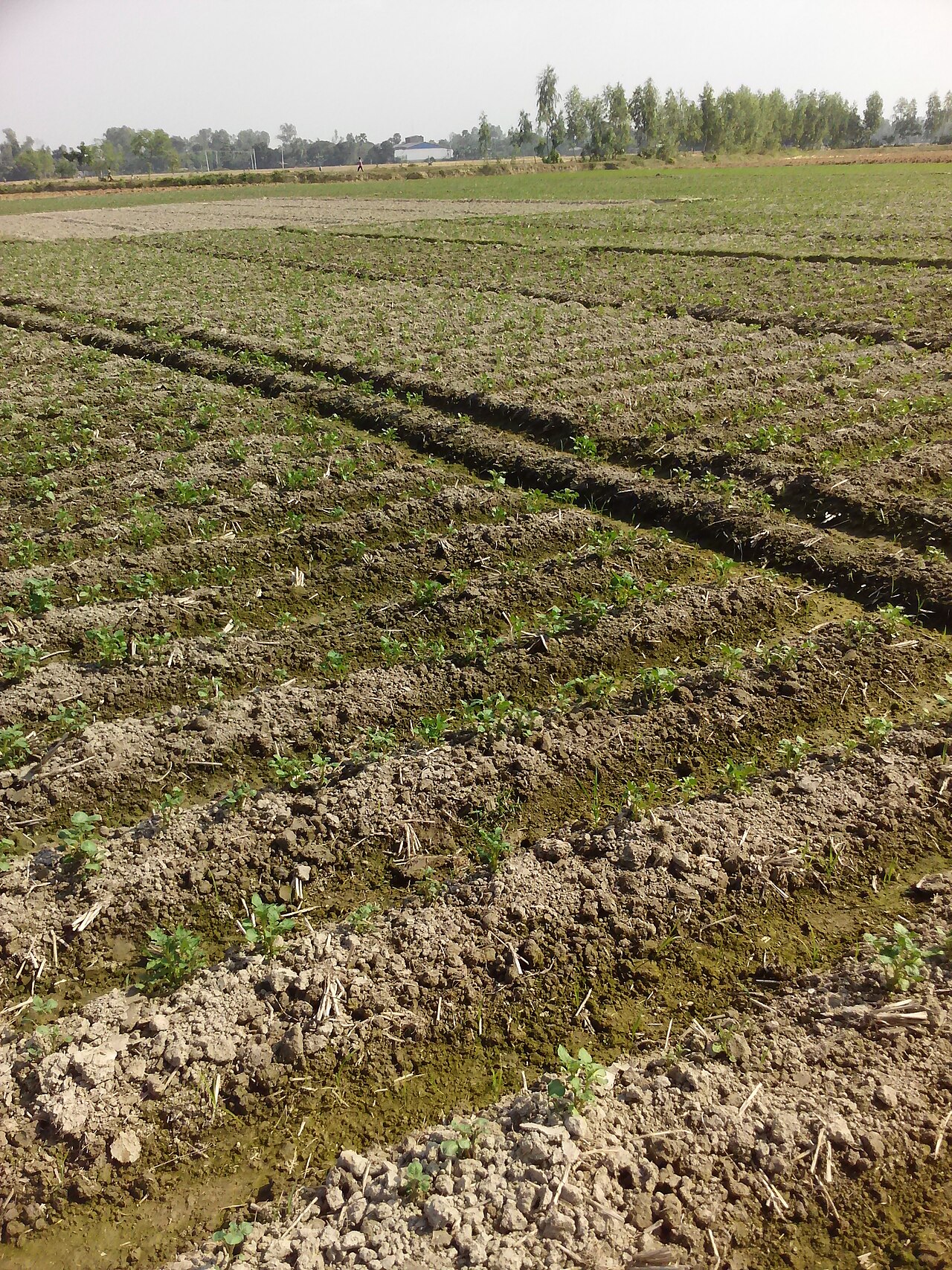
Cauliflower (Brassica oleracea var. botrytis) is a cultivated form of the same species as cabbage and broccoli. The dense white head that is eaten is a mass of undeveloped flower buds. According to Banglapedia, cauliflower is a winter crop in Bangladesh, where 30-day-old seedlings are best transplanted in October and November. Early, mid-season and late varieties are grown, and the Bangladesh Agricultural Research Institute (BARI) released a high-yielding mid-season variety named Rupa in 1998.
According to the US Department of Agriculture's FoodData Central, 100 grams of raw cauliflower contains 92.1 grams of water, 25 kilocalories, 1.92 grams of protein, 2 grams of fibre, 48.2 milligrams of vitamin C and 299 milligrams of potassium. It is a low-calorie vegetable with a good amount of vitamin C, though once milk, jaggery and condensed milk are added, the nutrition and calories of the finished payesh are very different from those of the raw vegetable.
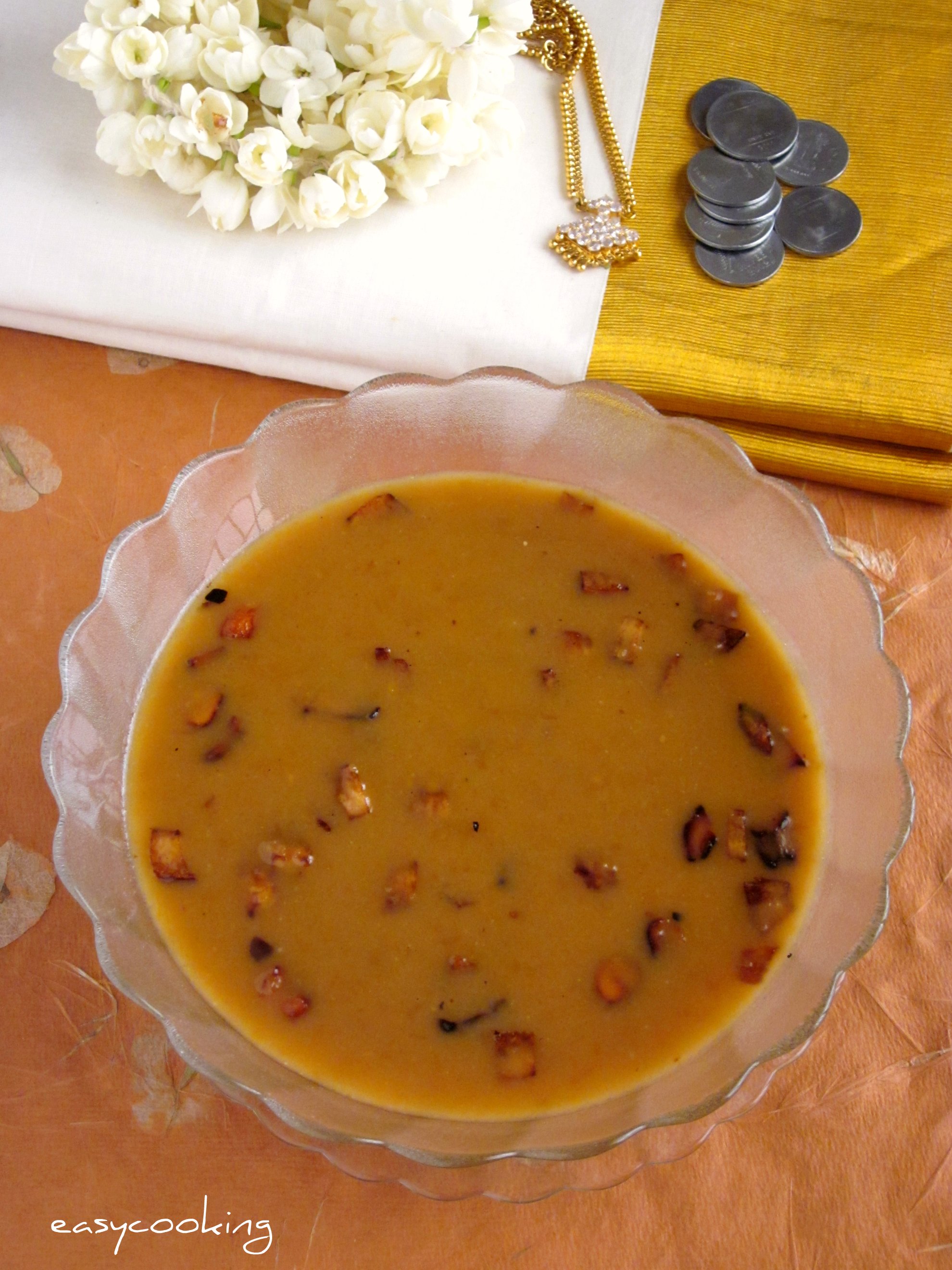
Photo: NahidSultan / Wikimedia Commons (CC BY-SA 3.0)
Sources: Jagonews24, Banglapedia, US Department of Agriculture FoodData Central, Wikipedia
Comments
(0)