
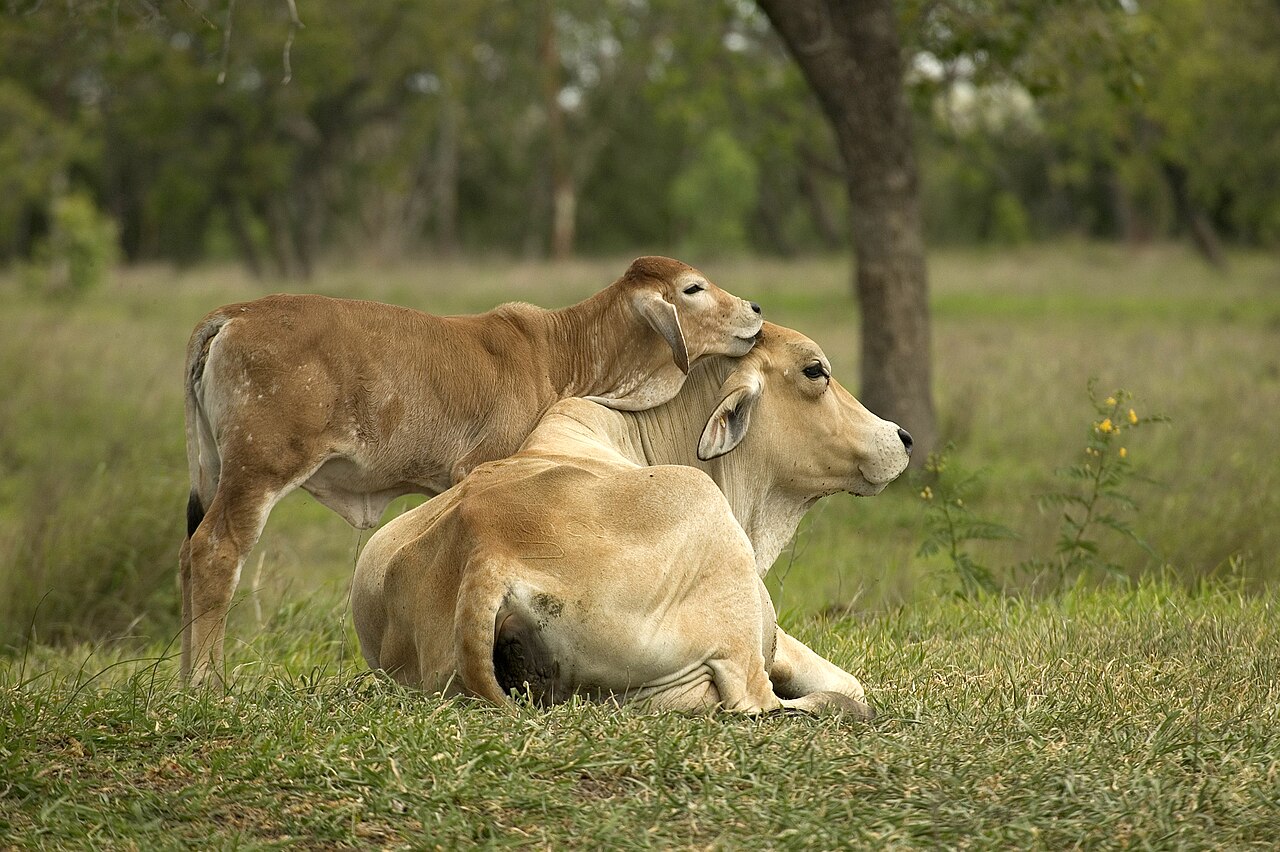
When weaning results disappoint, beef producers tend to blame a single cause, usually nutrition, but the same records can show which cows carry better fertility genes, beef adviser Alastair Rayner writes in Beef Central's weekly genetics review.
Rayner, strategic account manager for southern Australia with Vytelle and principal of RaynerAg, agrees that poor nutrition is probably the biggest issue producers face. Cows' energy and protein needs are often underestimated, and cows that must draw on body reserves are less likely to get back in calf. The CashCow project, which followed about 78,000 cows in 142 mobs on 72 northern properties, found body condition and calving time were important to reproduction.
But in any mob under the same pressure, some cows perform well above average, and part of that difference is genetic. The Northern Genomics work, carried out on commercial cattle in real northern conditions, analysed more than 34,000 heifers from 60 herds and at least 14 breeds and found measurable heritability for puberty, body condition, weight, hip height and pregnancy within four months of calving (P4M).
The heritability of P4M was about 0.10. That does not make genetics the main factor, Rayner notes, since environment and management weigh more, but it means there is variation in the herd that will respond to selection.
Nutrition and genetics work on different timetables. Fixing a feed shortfall can lift results quickly but has to be repeated when the same challenge returns; genetic gains build up and pass to later generations. Below certain nutritional thresholds, he adds, even fertile cattle struggle, and changing bulls will not fix overstocking or cows calving in poor condition.
His practical advice: first check whether the feedbase can support what is asked of the herd, including stocking rate and whether calving lines up with good feed. Then use weaning records, together with fertility EBVs and genomic tools, to find the cows that consistently rear a calf and calve early enough to conceive again.
Photo: CSIRO / Wikimedia Commons (CC BY 3.0)
Source: Beef Central

Comments
(0)