
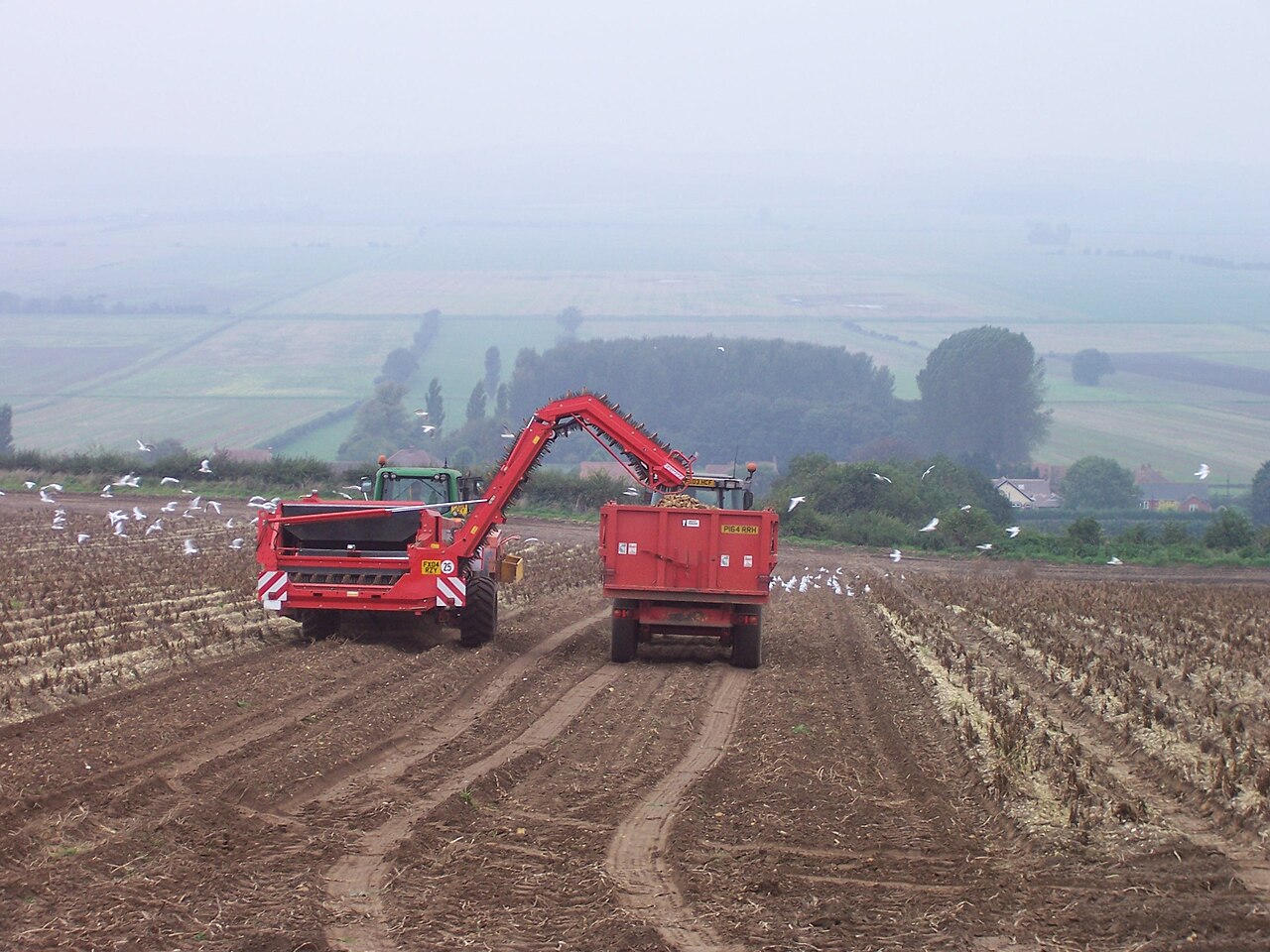
Scientists at Agriculture and Agri-Food Canada (AAFC) say diploid potatoes, which carry two sets of chromosomes instead of the four in conventional tetraploid varieties, show promise for yield, storage, disease resistance and adaptation to climate change, Farms.com reported.
Conventional breeding has relied on a narrow genetic pool of tetraploid potatoes, which makes commercial varieties alike and may limit their ability to withstand new diseases and stresses. Diploids offer a wider range of traits and more precision for breeders. "For a long time, having more chromosomes was believed to be necessary for strong yields. But our research shows we don't have to be limited by that assumption anymore," said Dr Bourlaye Fofana, a research scientist in Charlottetown.
His team evaluated 721 diploid clones developed through EMS mutagenesis, a technique that introduces genetic variation, and picked 54 for multi-year field trials. More than 80% of the tested clones had acceptable or excellent tuber appearance, and the marketable yields of 20% of the creamer types and 29% of the table or chip types matched or exceeded commercial tetraploid potatoes grown in Canada. The clones also showed good to high dormancy, which delays sprouting and allows longer storage.
Some frying-type diploids have yet to match tetraploid yields, the researchers said, but further breeding could close the gap. The results will feed into the Canadian Potato Gene Resources collection of more than 300 genetic resources, managed by Dr Benoit Bizimungu's team in Fredericton, which supports breeding programmes in Canada and abroad.
Photo: D H Wright / Wikimedia Commons (CC BY 2.0)
Source: Farms.com

Comments
(0)