
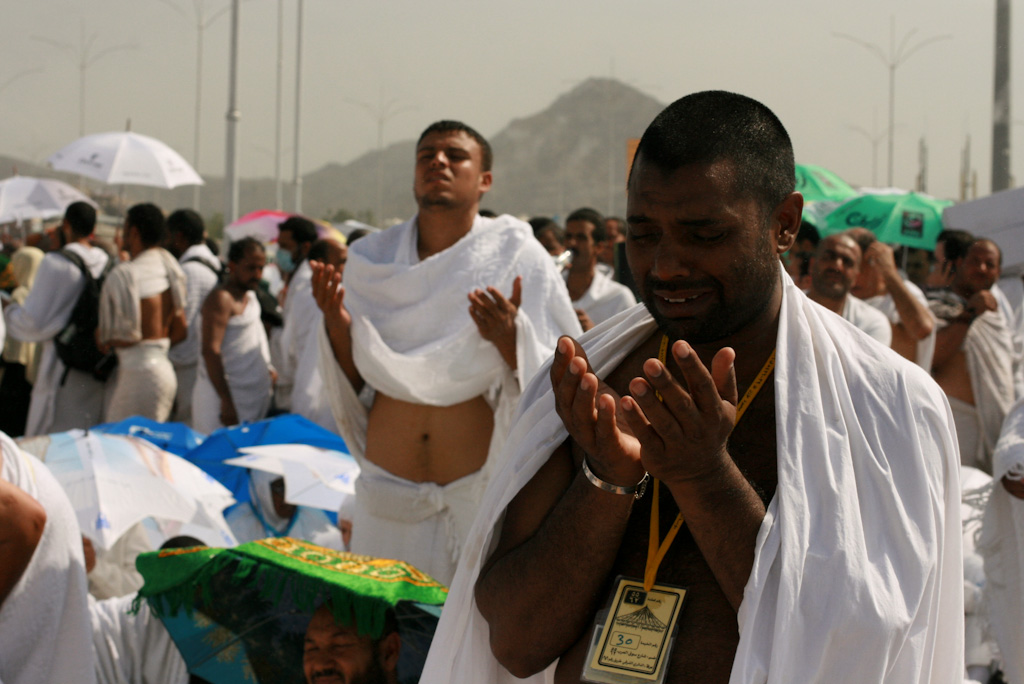
There are moments when a person cannot explain their pain even to those closest to them. In an article on Channel i Online, Farzia Hossain recalls one of Islam's great reassurances: God hears His servant's call. In Surah Al-Baqarah, verse 186, God says He is near and answers the caller; in Surah Ghafir, verse 60: 'Call upon Me; I will respond to you.'
The first lesson is to ask with conviction. In Sahih Muslim (2678) the Prophet told believers not to pray with doubt, as in 'give me if You will', but to ask firmly. One may state one's needs plainly, in one's own language, and lay out pain, fear and hope before God.
The second is patience. A hadith in Sahih Muslim (2735) says a servant's prayer keeps being answered until he grows impatient and says, 'I prayed and was not answered.' When and how the answer comes is a matter of God's wisdom.
Third, dua is not only for hard times; remembering God and giving thanks in good times is part of a believer's life. Fourth, the last third of the night has a special place: in Sahih Muslim (758) it is narrated that at that time the call goes out, who will call so that he may be answered, who will ask so that he may be given, who will seek forgiveness so that he may be forgiven.
The fifth lesson is to pair prayer with deeds. The same verse of Al-Baqarah speaks of obeying God and believing in Him, so avoiding the forbidden, performing the obligatory worship, not violating others' rights and repenting after sin also matter, the article says. Sometimes the answer comes as hoped, sometimes it takes time, sometimes it comes differently; a believer's task is to pray, strive and trust in God.
The article was published on Channel i Online; its writer is Farzia Hossain.
Photo: Omar Chatriwala / Wikimedia Commons (CC BY-SA 2.0)
Source: Channel i Online
Comments
(0)