
British Columbia was the only province in Canada where farmland values declined in the first half of this year, according to a Farm Credit Canada (FCC) report released on 7 October. Values fell 1.9% in the first six months, after a 1.7% drop in 2025, for a 3.9% fall over the 12 months to June, one of the steepest 12-month declines since the mid-1980s and larger than the 3.1% fall reported for 2024.
The decline follows a pandemic boom. BC farmland rose by nearly 49% between 2019 and 2023 and still sits 43% above its pre-pandemic value. FCC said growth momentum has shifted from the provinces that led the post-pandemic surge to the Prairies, especially Alberta, while Ontario and BC have seen the sharpest normalisation.
Demand remains strong for productive, well-located land, FCC said, but higher input costs, tighter margins and regional supply constraints are making buyers more selective. In BC that means steady demand but few sales in the Cariboo-Chilcotin, and stabilising values on the South Coast and Vancouver Island, where longer listing times and more inventory keep pressure on prices. FCC said the softening does not signal a broader market downturn.
Sales have slowed. BC Ministry of Finance property transfer data show farm property sales down 25% in the first half from a year earlier. The Peace region was the most active, with 104 properties changing hands (down 30%), followed by the Fraser Valley with 68 (up 24%). Central Okanagan sales rose the most among major production regions, by 87%, while the North Coast and Kitimat-Stikine gained from a low base.
For farmers looking to expand or retire, the figures point to a slower, more selective market in which location and productivity matter more than during the boom years. The report appeared in Country Life in BC.
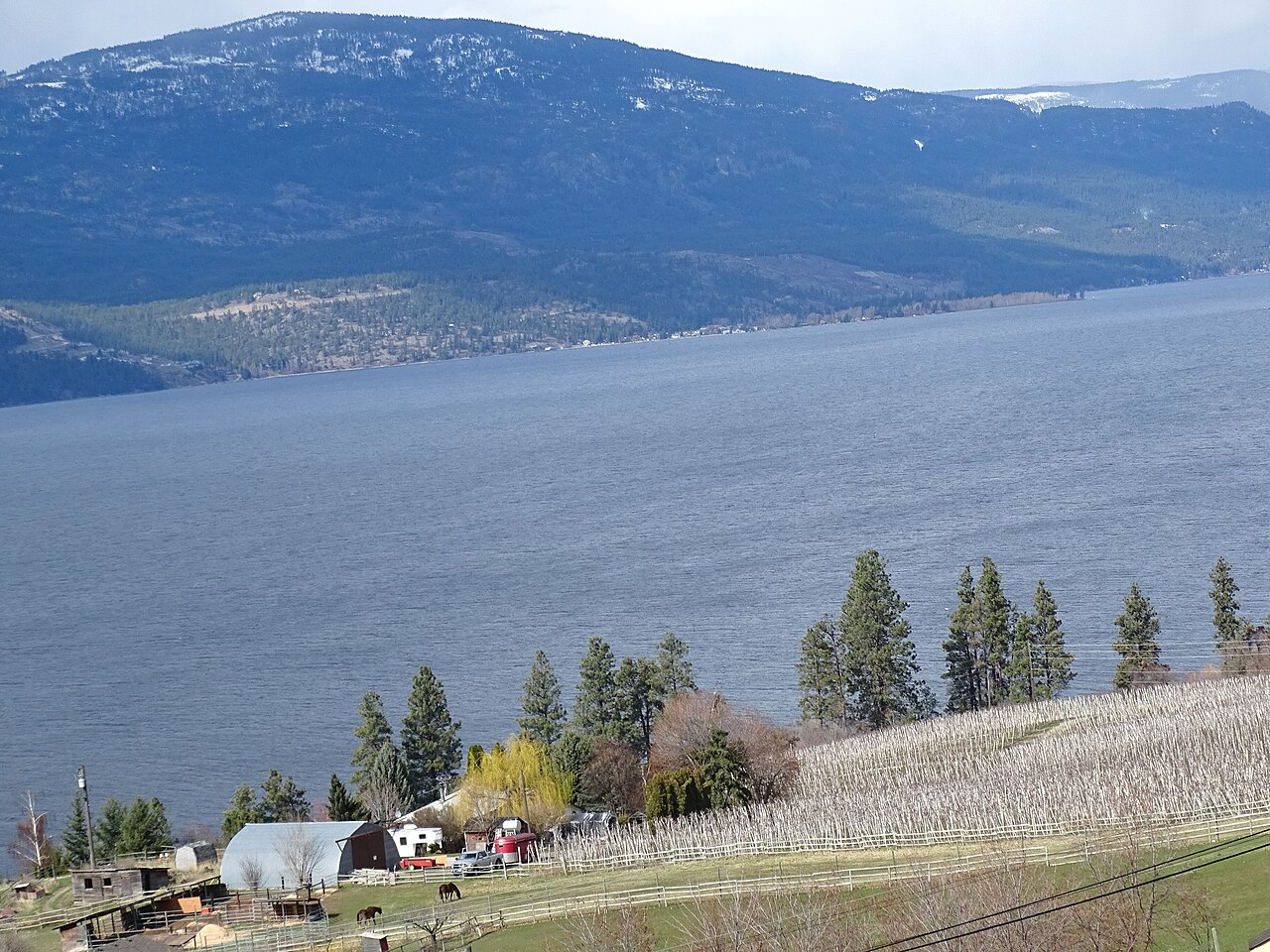
Photo: Adam Jones (Okanagan lakeshore and farmland, Lake Country, Kelowna) / Wikimedia Commons (CC BY-SA 2.0)
Source: Country Life in BC



Comments
(0)