
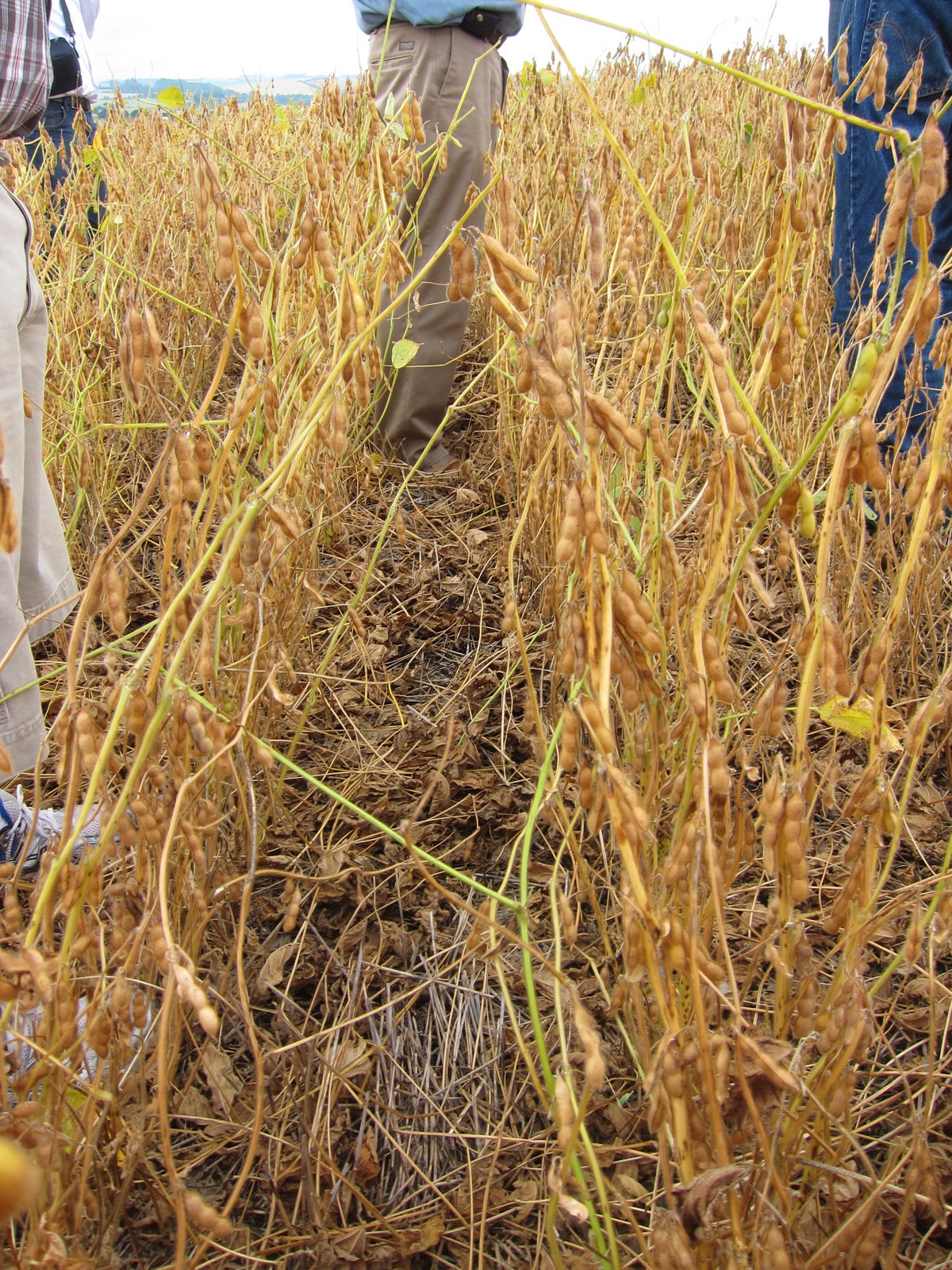
Brazil kept a landed-cost advantage over US soybeans shipped to China in the second quarter, according to USDA estimates reported by All Ag News.
US Gulf soybeans landed in Shanghai cost about $531 to $542 a metric ton and Pacific Northwest routes about $513 to $522, while Brazilian routes ranged from about $479 to $507. Freight costs rose for both countries: truck, rail, barge and ocean rates lifted US costs, and Brazil faced higher truck and ocean rates, but lower farm-level soybean prices in Brazil more than offset its generally higher transport costs.
The volume gap was wide. US soybean exports to China totalled about 111 million bushels in the quarter, against roughly 1.19 billion bushels from Brazil.
USDA projects stronger US soybean exports in the current marketing year, but delivered cost will decide much of the competition for Chinese demand, the world's largest soybean import market.
Photo: Uaequals42 / Wikimedia Commons (CC BY-SA 3.0)
Source: All Ag News


Comments
(0)