
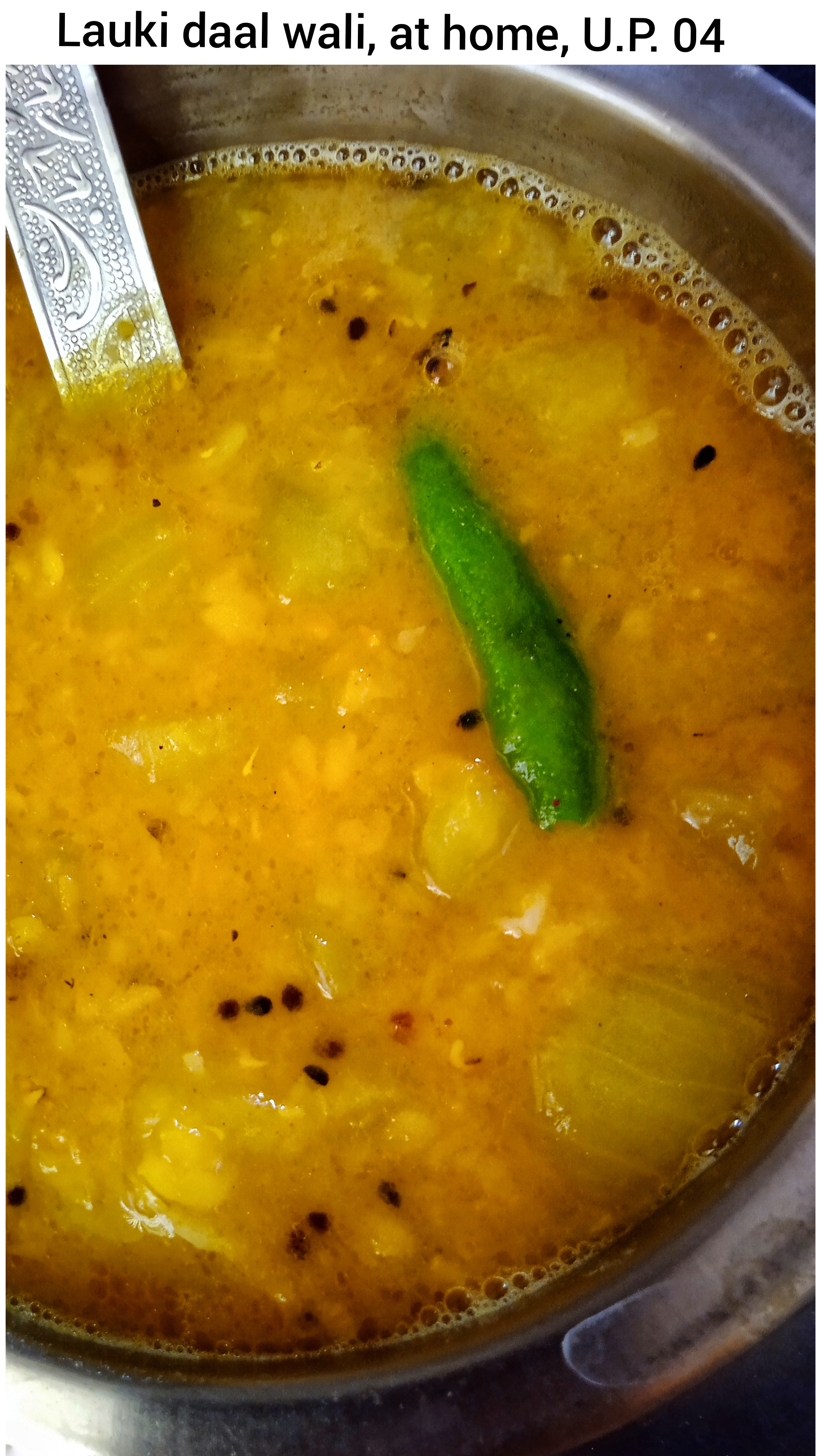
On 1 March 2026, during the Ramadan fasting month, the lifestyle desk of the Bangladeshi news site Jagonews24 published a short recipe for lau dal, lentils cooked with bottle gourd and finished with a tadka, the spiced oil tempering that Bengali kitchens pour over dal. The piece began from a question it said many people face every day of the month: what light and healthy food to eat at sehri, the meal taken before dawn. Its answer was that sehri food should be nutritious but also light and hydrating, and that a tempered lau dal brings those qualities together in a simple and tasty dish.
The recipe used everyday Bangladeshi ingredients: one cup of red lentils (masoor) or split black gram (mashkalai), two cups of bottle gourd, turmeric, cumin, fennel, green chillies, onion, garlic, bay leaves and coriander leaves. Its writers closed with the claim that bottle gourd is easily digested and that the dish is therefore ideal for sehri. The method is set out below as the original gives it, followed by background on the two main ingredients, the crops behind them and the advice of health bodies on eating before a fast.
Ingredients
- Red lentils (masoor dal) or split black gram (mashkalai dal): 1 cup
- Bottle gourd (lau), cut into small pieces: 2 cups
- Turmeric powder: 1 teaspoon
- Cumin seeds: half a teaspoon
- Fennel seeds (mouri): a little
- Green chillies: 6
- Chopped coriander leaves: 3 teaspoons
- Salt: to taste
- Chopped onion: 2 teaspoons
- Chopped garlic: 1 teaspoon
- Bay leaves (tejpata): 2
- Cooking oil: 3 teaspoons
How to cook it, step by step
- Boil the lentils in two cups of water. Two or three green chillies can go into the pot at this stage.
- When the water has reduced, mash the boiled lentils well.
- In a separate pan, lightly fry the small pieces of bottle gourd.
- Return the dal to the heat with salt, turmeric and another two cups of water and bring it to the boil.
- Add the fried bottle gourd to the dal and let it simmer until the gourd is cooked.
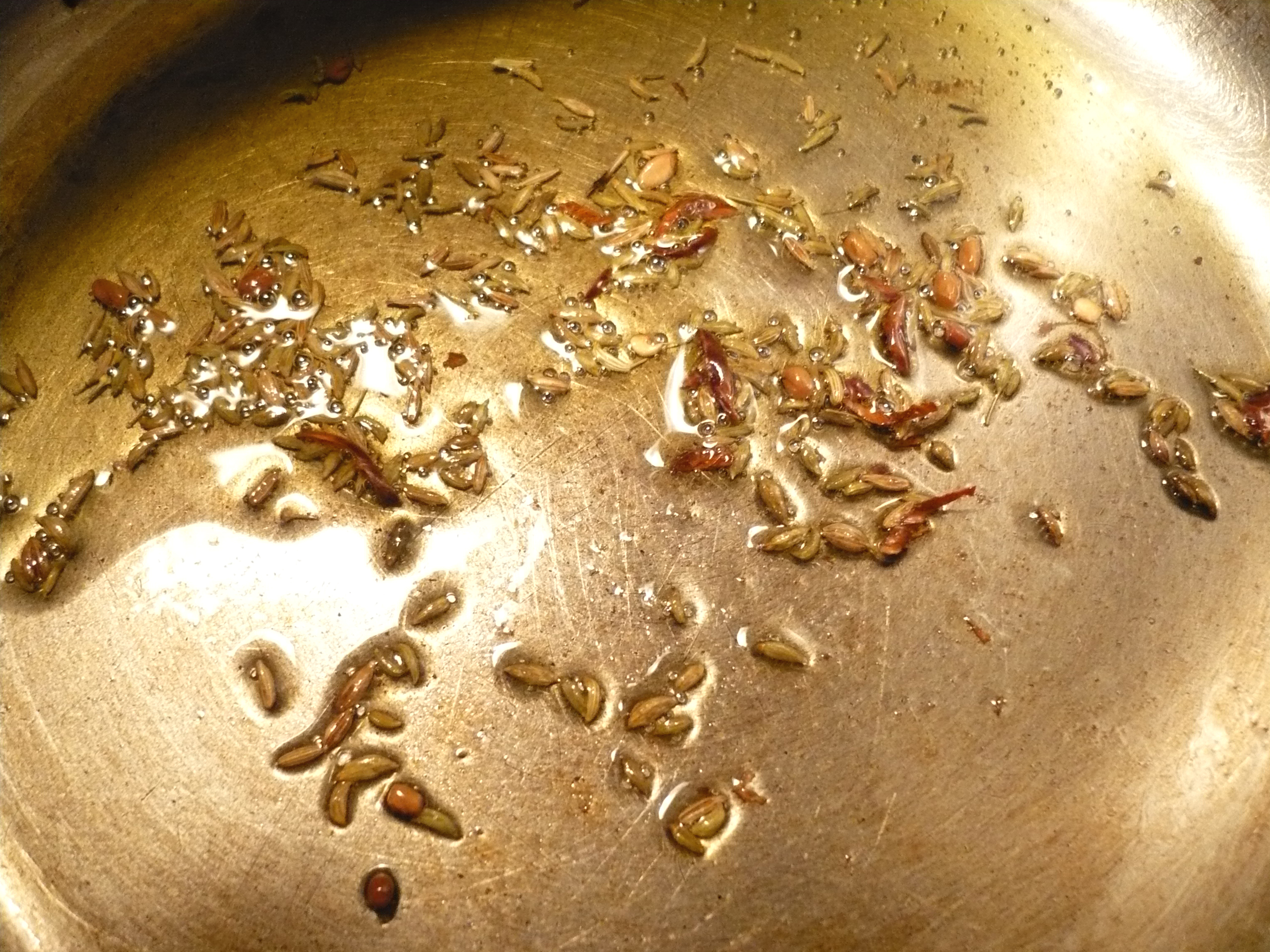
- Meanwhile, heat the oil in a small pan and add the bay leaves, cumin and fennel for the tempering.
- Add the chopped onion, the slit green chillies and the chopped garlic, one after another, and fry until the onion and garlic turn brown.
- Pour the dal with the gourd into the tempering and mix the two thoroughly.
- Check that the gourd pieces are fully tender.
- Scatter the coriander leaves over the dal, cover the pan and leave it on low heat for four to five minutes so that the gourd and the dal blend together. The lau dal is then ready to serve.
The recipe leaves the salt to the cook's taste. For anyone watching salt, the National Health Service (NHS) in England advises adults to have no more than 6 grams of salt a day, about one level teaspoon, counting the salt already in food as well as the salt added during and after cooking. It suggests flavouring food with herbs and spices, black pepper, garlic, chilli or lemon juice instead of salt, and tasting a dish before adding any more, advice that suits a dal built on cumin, fennel, garlic and green chillies.
The tempering spices and what they are
The flavour of the dish comes mostly from the tempering. Banglapedia, the national encyclopedia published by the Asiatic Society of Bangladesh, describes a spice as any aromatic plant, plant part or plant product used to season or flavour food, and notes that the value of a spice lies in its aroma, which comes from its essential oil. Spices are not counted as food in the usual sense because they lack the nutritional value of a food. Several of the spices in this recipe are, botanically, fruits: Banglapedia lists coriander, fennel, cumin and chilli among the spices obtained from the fruit of the plant, while turmeric comes from a rhizome.
Many of these are grown in Bangladesh itself. The encyclopedia names ginger, garlic, turmeric, onion, red pepper and coriander among the commonly cultivated spices, and records that the young coriander plant is widely used to flavour vegetable and fish curries, as it is used here at the end of cooking. Cumin is listed among the common spices that are important in the kitchen, and a large share of spices is imported from India, Malaysia and Indonesia.
The bay leaf in a Bengali dal is not the European bay laurel. Banglapedia identifies tejpata as the dried leaf of Cinnamomum tamala, a small tree of the family Lauraceae and of Indian origin, cultivated commercially in the eastern Himalayan region. In Bangladesh it is one of the most common spices in everyday cooking and is grown commercially in the uplands and hillocks of Sylhet, while grafted plants are raised in orchards and homestead gardens.
Sehri and what nutrition advisers recommend
Ramadan is the ninth month of the Hijri calendar, and fasting in it is one of the five pillars of Islam. Banglapedia's entry on the month explains that Muslims do not eat or drink from dawn to dusk, open the fast at sunset with iftar, and most also eat in the early hours of the morning. That meal is sehri, and its time ends before the fajr, or dawn, prayer. The entry recalls that groups once walked through neighbourhoods calling people to wake up and eat, a custom that continues in some areas. It also lists those who are exempt from fasting, among them small children, people who are ill or travelling, and menstruating and nursing women.
The British Nutrition Foundation (BNF), a UK nutrition charity, set out practical advice for the fast in its Healthy Ramadan guidance of 2021. It notes that during fasting hours, when no food or drink is taken, the body may become mildly dehydrated. For suhoor, as sehri is called in Arabic, it advises drinking plenty of fluids and choosing fluid-rich foods so that the body is well hydrated for the day ahead; opting for starchy foods for energy, preferably high-fibre or wholegrain kinds, which can help people feel fuller; and including protein-rich foods such as eggs or beans. It recommends avoiding salty foods such as hard cheese, processed meats, olives and pickles at suhoor, because they can leave people thirsty during the fast.
The same guidance suggests that meals during the month include fish, meat or pulse-based curries with plenty of vegetables, served with rice, chapattis and yogurt, so that all the main food groups are covered, and encourages more plant-based sources of protein such as beans and lentils. It advises cooking with unsaturated oils, such as vegetable or olive oil, rather than saturated fats such as ghee or palm oil, and limiting deep-fried and sugary foods, because there is only a short time each day to take in all the nutrients and fluids the body needs. A dal of lentils and a watery vegetable cooked in a little vegetable oil fits within that advice; how much salt and oil goes into it remains the cook's choice.
Fasting with diabetes or another condition: see a doctor first
A recipe cannot judge whether a particular person should fast or what they should eat. Diabetes is the condition most studied in connection with Ramadan. In 2021 the International Diabetes Federation and the Diabetes and Ramadan (DAR) International Alliance introduced a point-based tool that sorts people with diabetes who wish to fast into three risk categories. A review of the tool by the endocrinologist Salem A Beshyah, published in the World Journal of Diabetes on 15 November 2025, explains that physicians are advised to discourage fasting in the moderate- and high-risk categories, while decisions are shared with the patient, and that the assessment should be repeated every year as a person's health changes. The review notes that the tool supports pre-Ramadan consultations endorsed by the American Diabetes Association's guidelines.
For that reason, anyone with diabetes, high blood pressure, kidney or heart disease, anyone who is pregnant or breastfeeding, and anyone taking regular medicine should talk to a doctor before fasting and before changing their diet for sehri. The NHS also links high salt intake to high blood pressure, which raises the risk of heart attacks and strokes.
The two dals in the recipe: masoor and mashkalai
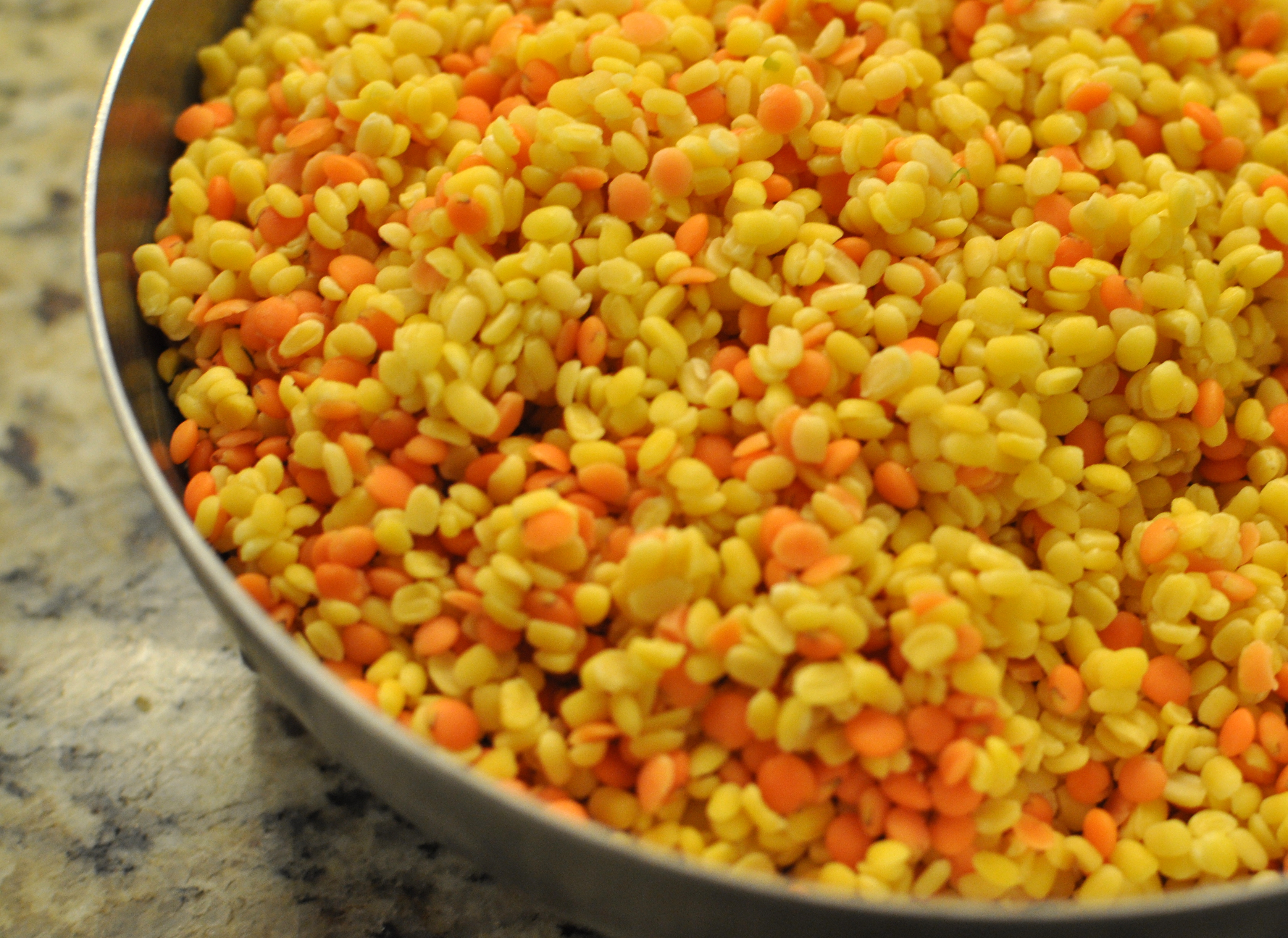
The lentil, masur in Bengali, is the seed of Lens culinaris, a pulse crop of the legume family. Banglapedia records that it has been cultivated since ancient times in Egypt, southern Europe and western Asia, and spread from there north into Europe and east to India and China. It grows on a wide range of soils and tolerates moderate alkalinity, but it cannot bear extreme cold or heat, and although it has some drought tolerance it is highly susceptible to waterlogging. The plant is a slender, branched annual herb 25 to 40 centimetres tall, with small pods carrying one or two lens-shaped seeds, grey to light red in colour. Its major diseases are rust, foot rot, wilt and stemphylium blight.
The encyclopedia calls the lentil the most popular pulse in Bangladesh and one of the main items in the daily diet of the great majority of people. Its entry on pulses adds that masur is eaten by all classes and appears in almost every meal, that pulses carry about 20 to 25 percent protein, and that their lysine content compares with animal protein, which is why pulses are sometimes called the poor man's meat. By Banglapedia's analysis the whole lentil seed contains about 25 percent protein, 55.8 percent carbohydrate, 3.7 percent fibre, 1 percent fat, 3.3 percent ash and 11.2 percent water. Split seeds, the dal itself, are cooked in soups, and the encyclopedia notes that lentil is also used as food for invalids and infants.
Cooked lentils are a different food from the dry seed because they absorb water. In the United States Department of Agriculture's FoodData Central (SR Legacy data), 100 grams of lentils boiled without salt contain 116 kilocalories, 9.02 grams of protein, 7.9 grams of dietary fibre, 20.1 grams of carbohydrate and only 0.38 grams of fat, with 69.6 grams of water. The same portion supplies 3.33 milligrams of iron, 369 milligrams of potassium, 181 micrograms of folate, 36 milligrams of magnesium and 1.27 milligrams of zinc, and just 2 milligrams of sodium. Boiled with salt, the sodium in the same 100 grams rises to 238 milligrams, which shows how much of a dal's salt comes from the cook rather than the lentil.
Black gram, mashkalai, the recipe's alternative, is Vigna mungo. Banglapedia describes it as a pulse long cultivated in the Indian subcontinent and not known in a wild state, a drought-resistant crop grown in both summer and winter, often in rotation with rice, that matures in 80 to 120 days. Its seeds are mostly black, though green forms occur. It is a highly prized pulse in Bangladesh, boiled and eaten whole or split into dal, and its dried seeds contain about 23.4 percent protein, 57.3 percent carbohydrate, 3.8 percent fibre, 1 percent fat, 4.8 percent ash and 9.7 percent water. Mashed ash gourd mixed with black gram is also the base of bori, the sun-dried lentil dumplings of Bengali cooking. Banglapedia's pulse entry notes that mashkalai is eaten only occasionally, while masur is eaten daily.
Lentil farming and supply before Ramadan 2026
Lentil is a rabi, or winter, crop, and Banglapedia notes that pulses in Bangladesh are grown mainly in the western and northern parts of the country, and that land under pulses has shrunk because of competition from rice. Domestic output had long fallen short of need: the encyclopedia's pulse entry states that production was less than half the country's requirement.
The years before this recipe was published sharpened that gap. Citing Department of Agricultural Extension (DAE) data, The Daily Star reported on 20 March 2025 that lentil cultivation had fallen by 75,700 hectares over five years and that production had dropped from 258,500 tonnes in fiscal year 2020-21 to 166,300 tonnes in 2023-24. The same report put the country's annual lentil demand at about 700,000 tonnes, of which 600,000 tonnes were imported. Farmers in several districts told the paper that low profits, frequent crop diseases and unfavourable weather had pushed them towards onion, maize, wheat and banana, and traders at Magura's Natun Bazar, described as one of the country's biggest lentil markets, said daily sales there had fallen. A DAE deputy director in Faridpur attributed the decline to low prices and disease outbreaks and credited better weather and the improved BARI Masur-8 seed for good yields that season.
BARI Masur-8 was released in 2015 by the Pulses Research Centre of the Bangladesh Agricultural Research Institute (BARI). A cultivar registration paper by Md Shahin Uz Zaman and colleagues in the Journal of Plant Registrations in 2022 gives its yield as 1,973 kilograms per hectare and its seed content as 74 milligrams of iron, 61 milligrams of zinc and 325 micrograms of selenium per kilogram. It matures in 115 to 120 days, shows high tolerance to stemphylium blight and root rot, and can be sown as late as the first week of December after long-duration rice, which suits the rice-fallow lands that the paper describes as a major lentil production zone. The state news agency BSS reported on 4 December 2025, citing BARI, that the variety contains 27.8 percent protein.
The same BSS report gave the DAE's expectation for the 2025-26 rabi season in Rajshahi division: about 52,386 tonnes of lentils from 30,311 hectares. A BARI principal scientific officer told the agency that output could rise significantly if about 80,000 hectares of Barind land, which usually lies fallow for more than three months after the aman rice harvest, were sown with lentil. Farmers in Godagari upazila of Rajshahi reported selling lentils at between Tk 3,800 and Tk 4,300 per maund.
Lau: the winter gourd of the homestead
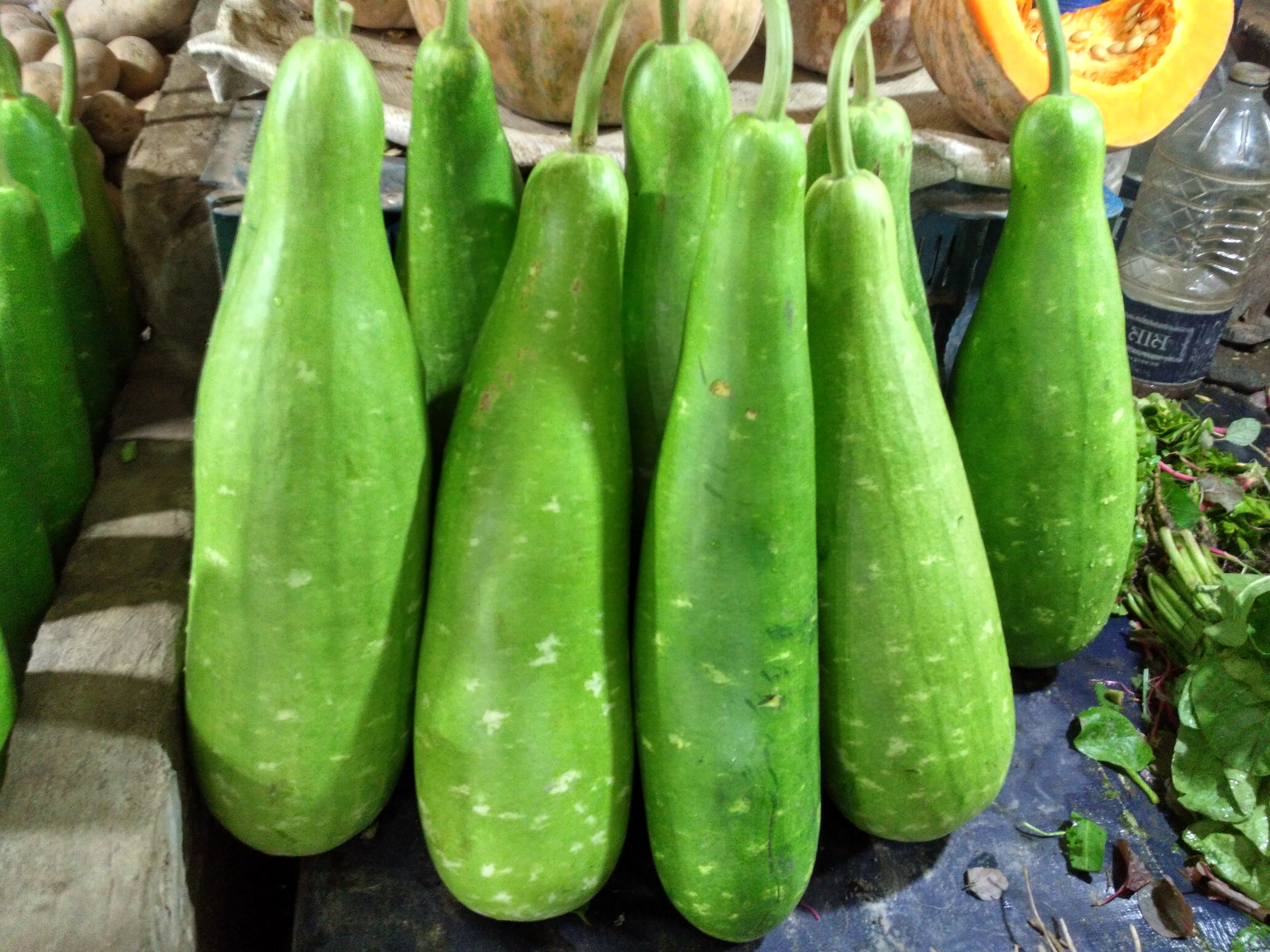
The bottle gourd is Lagenaria siceraria, a trailing annual of the gourd family, Cucurbitaceae, with white flowers. Banglapedia's entry on gourds (it uses the older name Lageneria vulgaris) says the bottle gourd and the pumpkin have a long association with people and were never found in a truly wild state, and that the bottle gourd is possibly tropical or subtropical in origin. In rural Bangladesh gourds are largely grown in homestead gardens, trained over bamboo-framed platforms or onto thatched roofs.
Lau is generally a winter crop in Bangladesh. The encyclopedia records that it is grown by direct sowing or by transplanting seedlings 15 to 20 days old, that the crop is ready for harvest within 55 to 60 days, and that yields range from 35 to 40 tonnes per hectare. It gives the national area as about 10,000 hectares producing about 62,000 tonnes, and names BARI Lau-1, Khetlau and Hazari among the varieties. Its entry on vegetables lists bottle gourd among the major winter vegetables, alongside cabbage, cauliflower, tomato, brinjal, radish and hyacinth bean, and notes that women play the dominant role in homestead vegetable growing.
Banglapedia describes the bottle gourd as rich in carotene, calcium and vitamin C. It is used mainly in curries with different fishes; its leaves and vines are also eaten as vegetables, and the tender gourd is made into sweet dishes with sugar and milk. Cooking it with dal, as in this recipe, is one of several ways it reaches the table. The encyclopedia's vegetable entry also notes that vegetable availability in Bangladesh is only about one-fifth of the recommended 200 grams per person per day, so a dish that pairs a vegetable with the daily dal adds to a short supply.
A bitter bottle gourd is a warning sign
Bottle gourd is an everyday food, but doctors have documented a rare and serious hazard. The plant contains cucurbitacins, bitter compounds that serve as its defence against insects. A case report and literature review by physicians at Shree Krishna Hospital in Gujarat, India, published in the Journal of Family Medicine and Primary Care in 2022, explains that extreme temperatures, dehydration, low pH and improper storage can raise cucurbitacin levels and make the gourd bitter. Most patients who fall ill do so within an hour of drinking bitter bottle gourd juice, with abdominal pain, vomiting, diarrhoea, low blood pressure and vomiting of blood, and there is no specific antidote, so treatment is supportive.
A second report, by gastroenterologists in Jodhpur published in Cureus in 2023, describes two such cases and notes that bitterness is usually taken as the indicator of toxicity. After three deaths were reported in India, the Indian Council of Medical Research (ICMR) set up an expert committee, and its task force recommended that bitter-tasting bottle gourd juice should be avoided and that anyone who develops symptoms or feels uneasy after drinking it should go to a nearby hospital at once. The reported cases involved raw juice taken as a home remedy rather than cooked curry, but the warning sign the doctors describe is the same: a bottle gourd that tastes bitter should not be consumed.
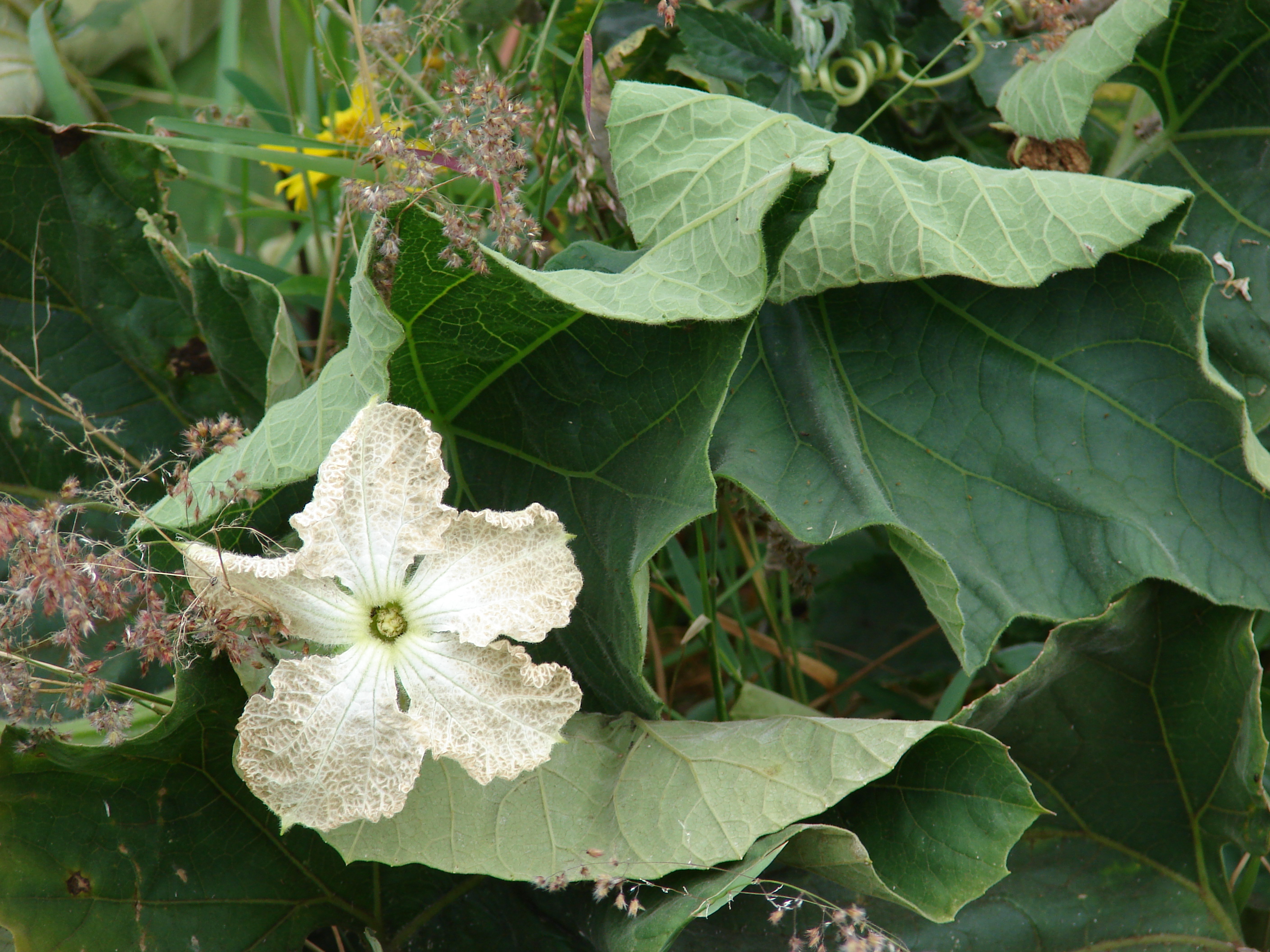
Photo: Raunaq Afroz / Wikimedia Commons (CC BY-SA 4.0)
Sources: Jagonews24 (1 March 2026), Banglapedia (Asiatic Society of Bangladesh: Lentil, Black Gram, Pulse, Gourd, Vegetable, Spice, Bay Leaf, Ramadan), British Nutrition Foundation (Healthy Ramadan 2021), NHS (Salt in your diet), USDA FoodData Central (SR Legacy), World Journal of Diabetes (15 November 2025), The Daily Star (20 March 2025), BSS (4 December 2025), Journal of Plant Registrations (2022), Journal of Family Medicine and Primary Care (2022), Cureus (2023)


Comments
(0)