
'Do I really have to ask to use his things?' is something often heard among family, friends and colleagues. But Islam teaches that close relationships do not erase people's rights and personal boundaries, writes scholar, author and researcher Raihan Al Imran in Prothom Alo.
The Quran says, 'O believers, do not consume one another's wealth unjustly.' (Al-Baqarah 188) However cheap a phone, book, garment or bag, the right to use it belongs to its owner, he writes, citing the Prophet: 'The property of a Muslim is not lawful to take without his consent.' (Sunan al-Daraqutni 3/26) So permission is needed even for two minutes.
Permission has limits too. Someone lent a car for a particular errand may not pass it to others, use it for something else or keep it past the agreed time; the Quran orders that trusts be returned to their owners (Al-Nisa 58). If something is damaged in use, the responsible course is to tell the owner rather than hide it.
Privacy is also at stake: permission to use someone's phone is not permission to look at their conversations, photos or messages. The Quran says, 'Do not spy on one another.' (Al-Hujurat 12)
When a mistake is made, the best course is to admit it, apologise and make amends where needed, he writes, suggesting one small question before using anything that belongs to someone else: 'May I use this?'
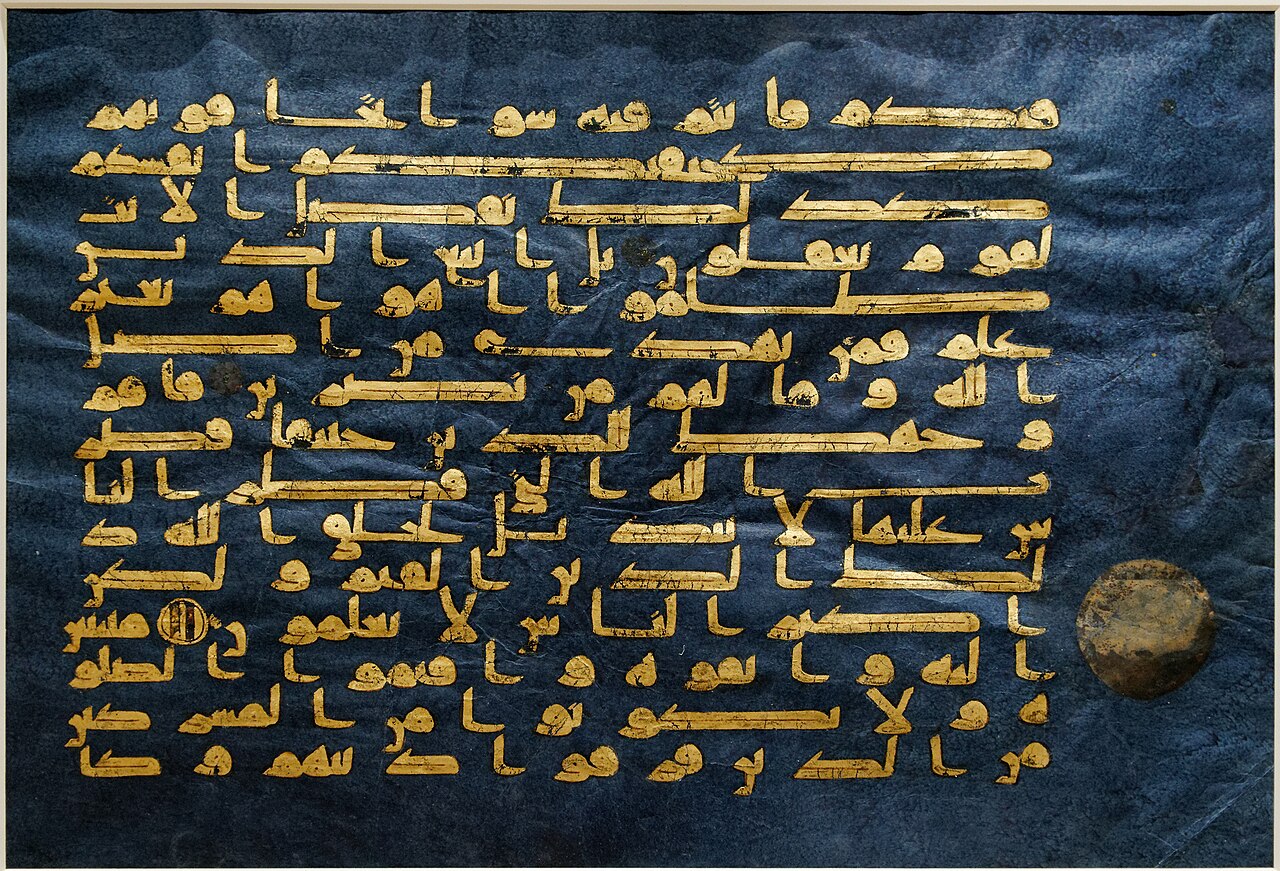
Photo: Unknown author / Wikimedia Commons (CC BY 2.5)
Source: Prothom Alo

Comments
(0)