
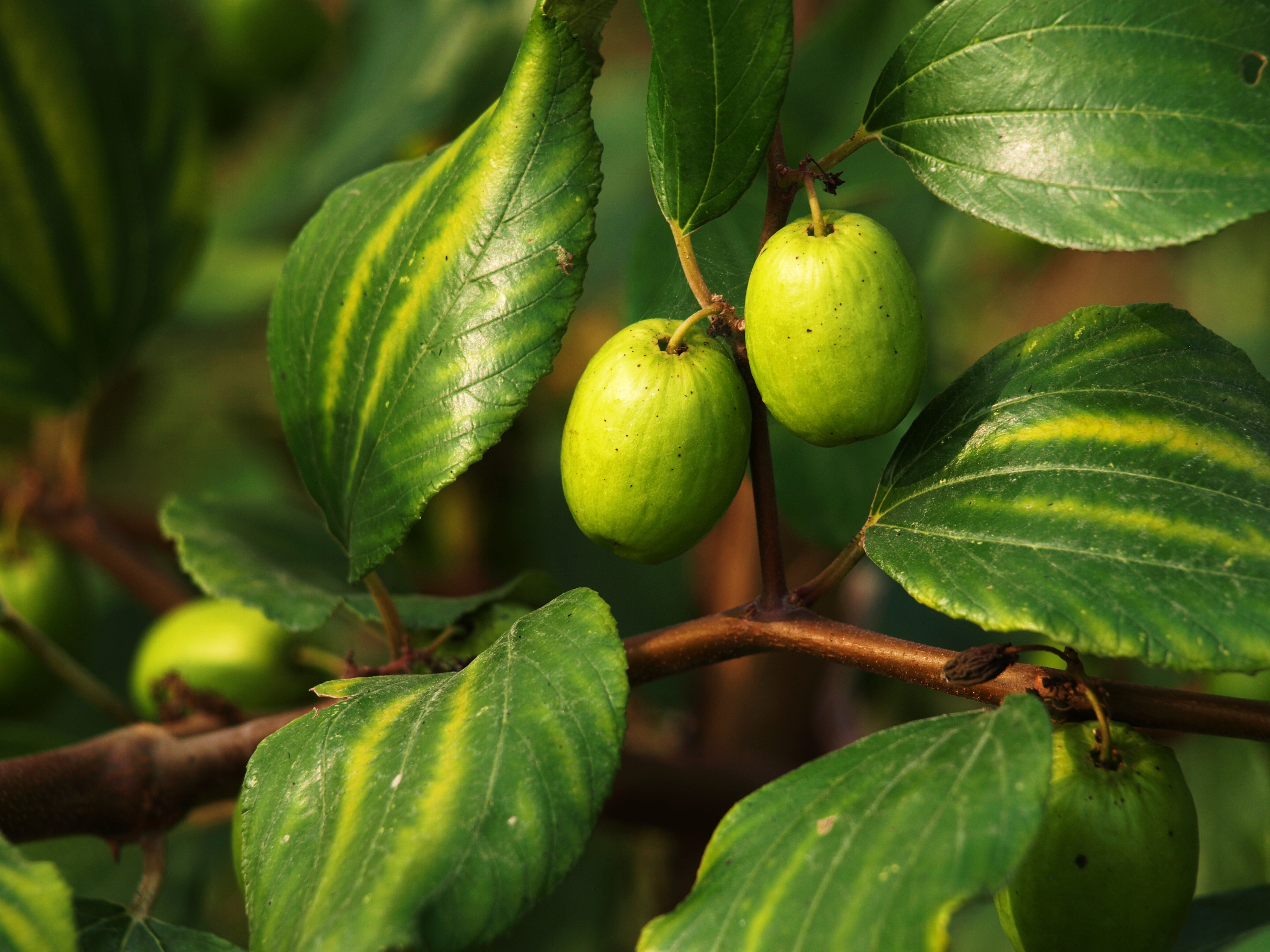
When winter comes, sweet-and-sour boroi, also called kul, fills Bangladesh's markets and roadside stalls. In January 2026 Jagonews24 published a report on the nutritional value of this seasonal fruit. Food composition data, health authorities and published research show that boroi is a good source of vitamin C, but not every benefit claimed for it has scientific support.
What boroi is
The boroi eaten in Bangladesh is Ziziphus mauritiana, known in English as the Indian jujube. It is often confused with the Chinese jujube (Ziziphus jujuba). According to horticulturist Julia F. Morton's Fruits of Warm Climates (1987), the Chinese jujube is a tree of mild-temperate, rather dry areas, while the Indian jujube is adapted to warm climates.
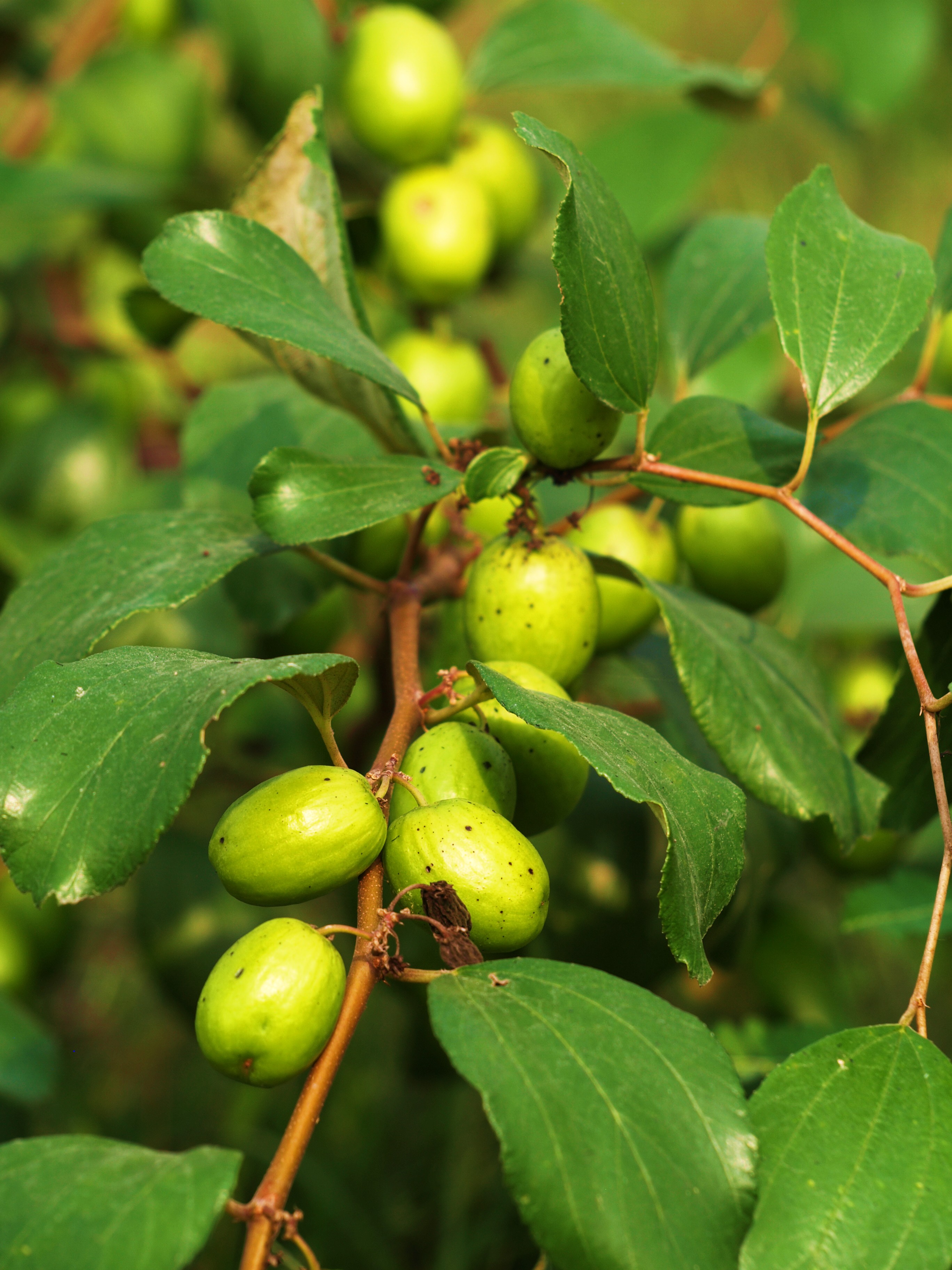
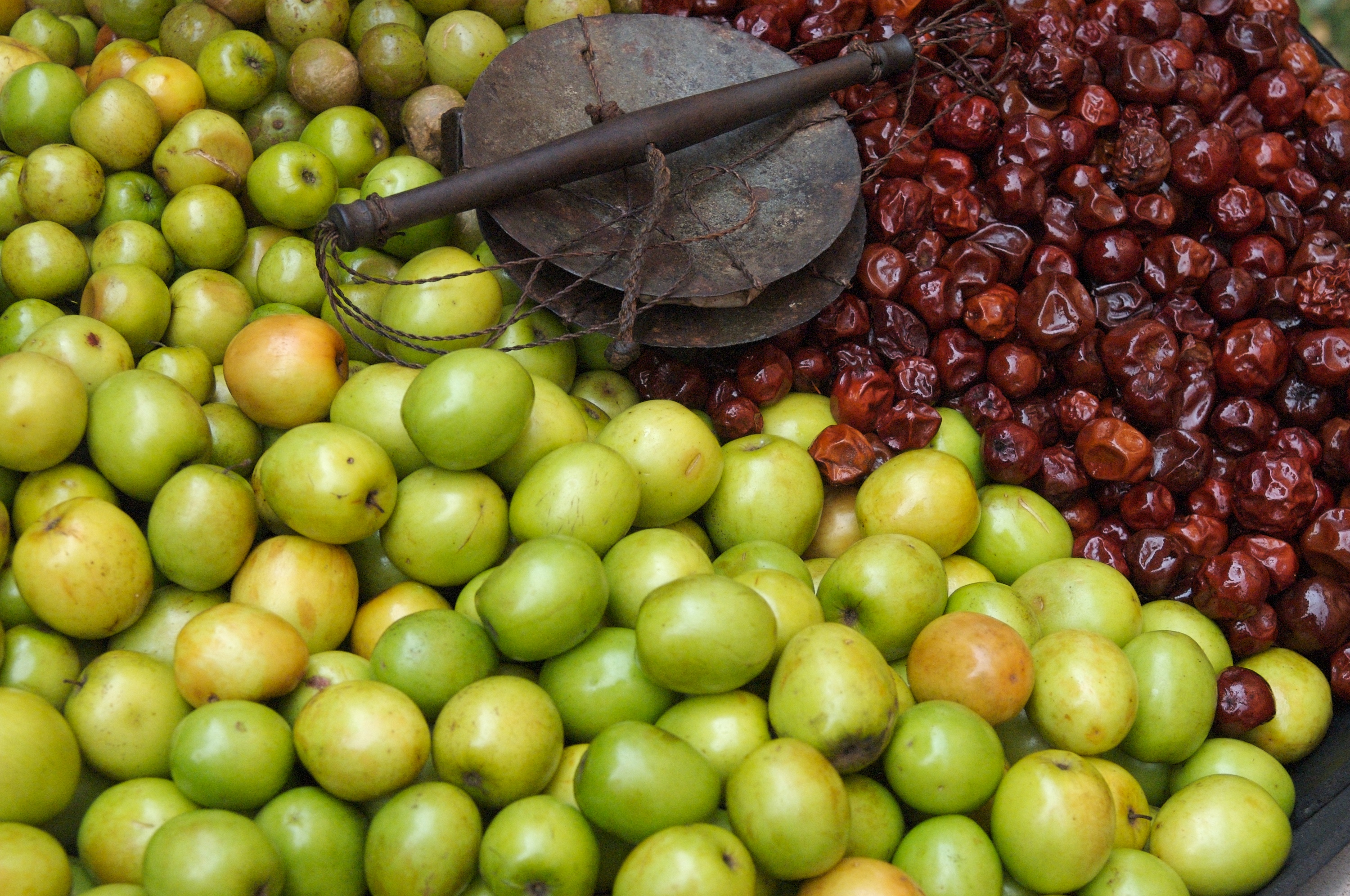
Boroi is a thorny small to medium tree. In Bangladesh it grows on almost every kind of soil; it flowers in September and October and fruits in winter. The fruit is eaten both unripe and ripe. Morton notes that ripe fruit is mostly eaten raw, can be sun-dried or powdered for use out of season, and that the sour types are used for pickles and chutneys.
What 100 grams of boroi contains
Morton's book, published in Purdue University's NewCROP collection, gives analyses made in India and Honduras. Per 100 g of the edible portion of fresh fruit:
- Water: 81.6 to 83 g
- Carbohydrates: 17 g (total sugars 5.4 to 10.5 g)
- Protein: 0.8 g; fibre: 0.6 g
- Calcium: 25.6 mg; phosphorus: 26.8 mg
- Iron: 0.76 to 1.8 mg
- Vitamin C (ascorbic acid): 65.8 to 76 mg
The US Department of Agriculture's FoodData Central lists raw jujube at 79 kcal, 69 mg of vitamin C and 250 mg of potassium per 100 g. For comparison, the US National Institutes of Health (NIH) Office of Dietary Supplements puts the daily vitamin C need of adult men at 90 mg and of adult women at 75 mg.
What vitamin C does, and what it does not
According to the NIH fact sheet, vitamin C is required to make collagen, a key part of connective tissue that plays a vital role in wound healing. It is an important antioxidant, plays a role in immune function and improves the absorption of nonheme iron, the form found in plant foods. Eating a vitamin C fruit such as boroi alongside vegetables and lentils can therefore help the body take up their iron.
The popular idea about colds needs correcting. The NIH says that even regular intakes of at least 200 mg of vitamin C a day do not appear to reduce how often people in the general population catch a cold, although they may modestly shorten colds and ease symptoms. The claim that boroi is highly effective at preventing colds and coughs is not supported.
Boroi also contains potassium. In 2012 the World Health Organization issued its first global guideline on potassium intake for adults and children, aimed at reducing noncommunicable diseases.
Research on digestion and traditional uses
In 2008 researchers at Meir Medical Center in Israel reported in the journal Digestion a 12-week controlled trial in 37 patients with chronic constipation. Symptoms eased in the group given a liquid extract of Chinese jujube, and the researchers described the extract as effective and safe. The trial used an extract, not fresh boroi.
Boroi has many uses in traditional medicine. Morton records that the dried ripe fruit is used as a mild laxative and the seeds as a sedative. The same account warns that strong doses of the bark or root may be toxic.
A 2020 review in Phytotherapy Research by researchers at Integral University in India found that studies of extracts from the leaves, stem and fruit of the plant showed antioxidant, antimicrobial and anti-diarrhoeal activity. The authors wrote that more research is needed to scientifically validate the traditional health claims. The sources checked offered no reliable evidence in people that boroi purifies blood, controls diabetes, increases bone density or balances hormones.
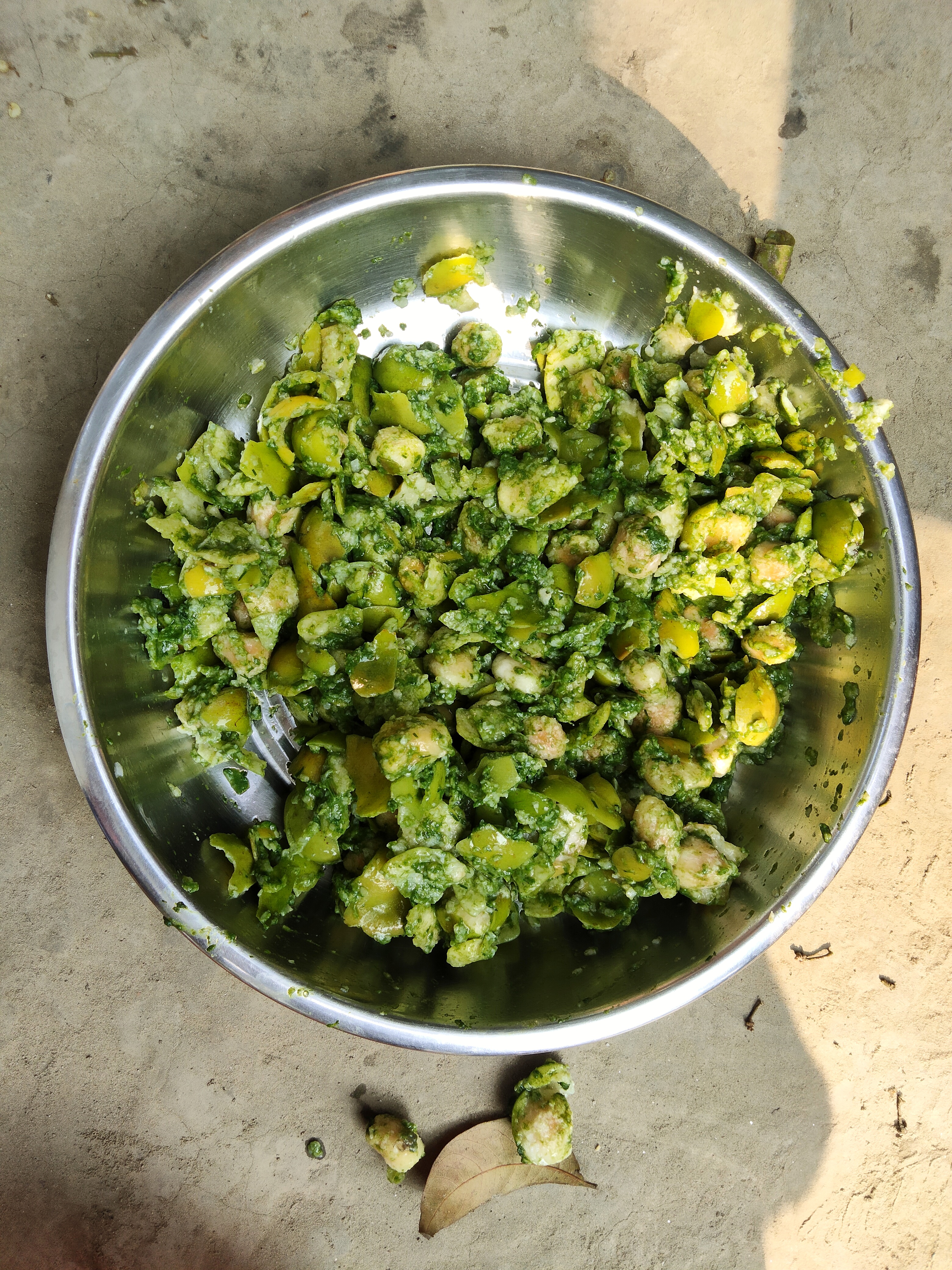
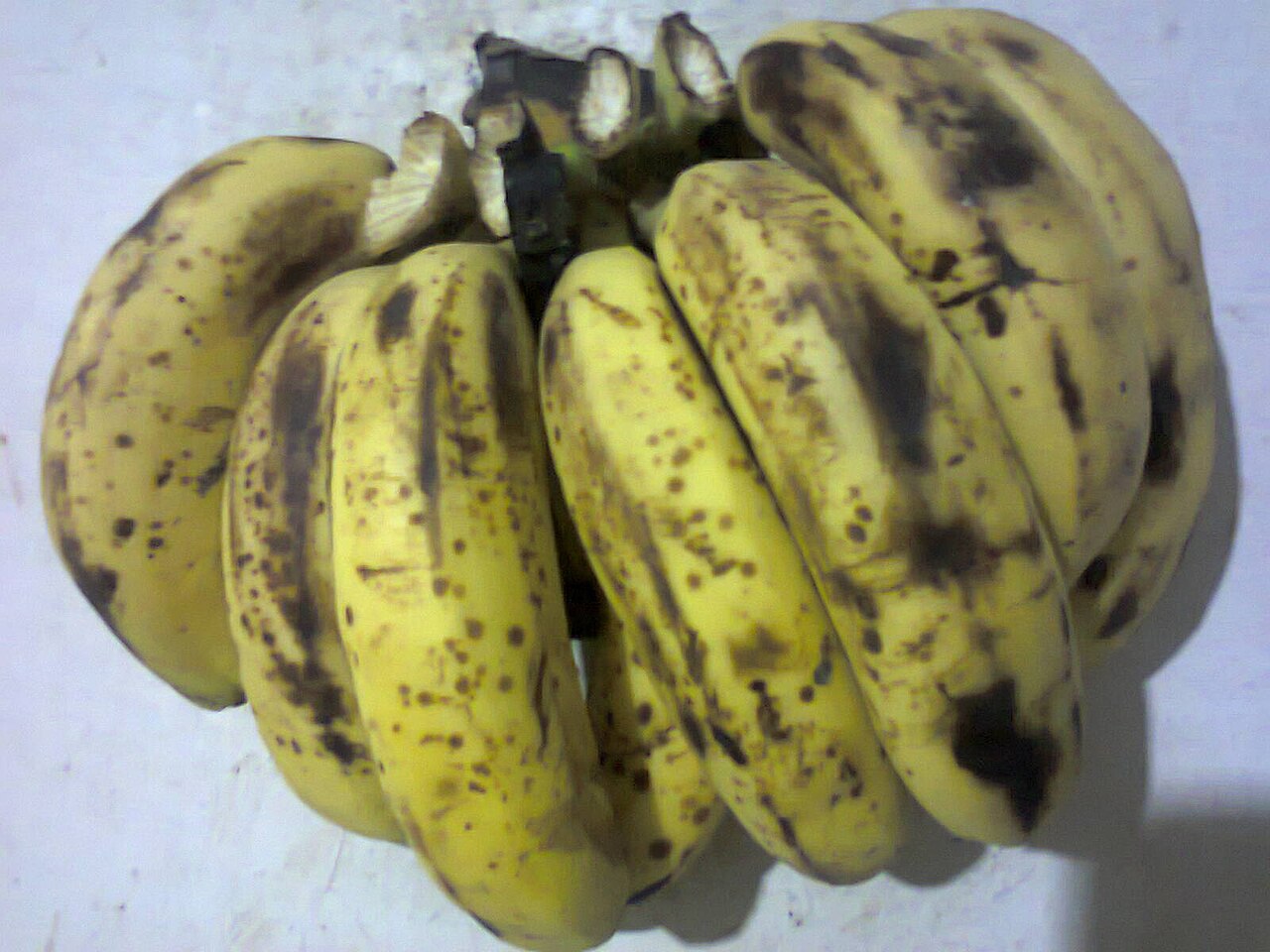
Photo: Shmunmun / Wikimedia Commons (CC BY-SA 3.0)
Sources: Jagonews24, Purdue University NewCROP (Julia F. Morton, Fruits of Warm Climates, 1987), USDA FoodData Central, US National Institutes of Health Office of Dietary Supplements, World Health Organization, Digestion (Naftali et al., 2008), Phytotherapy Research (Prakash et al., 2020), Wikipedia

Comments
(0)