
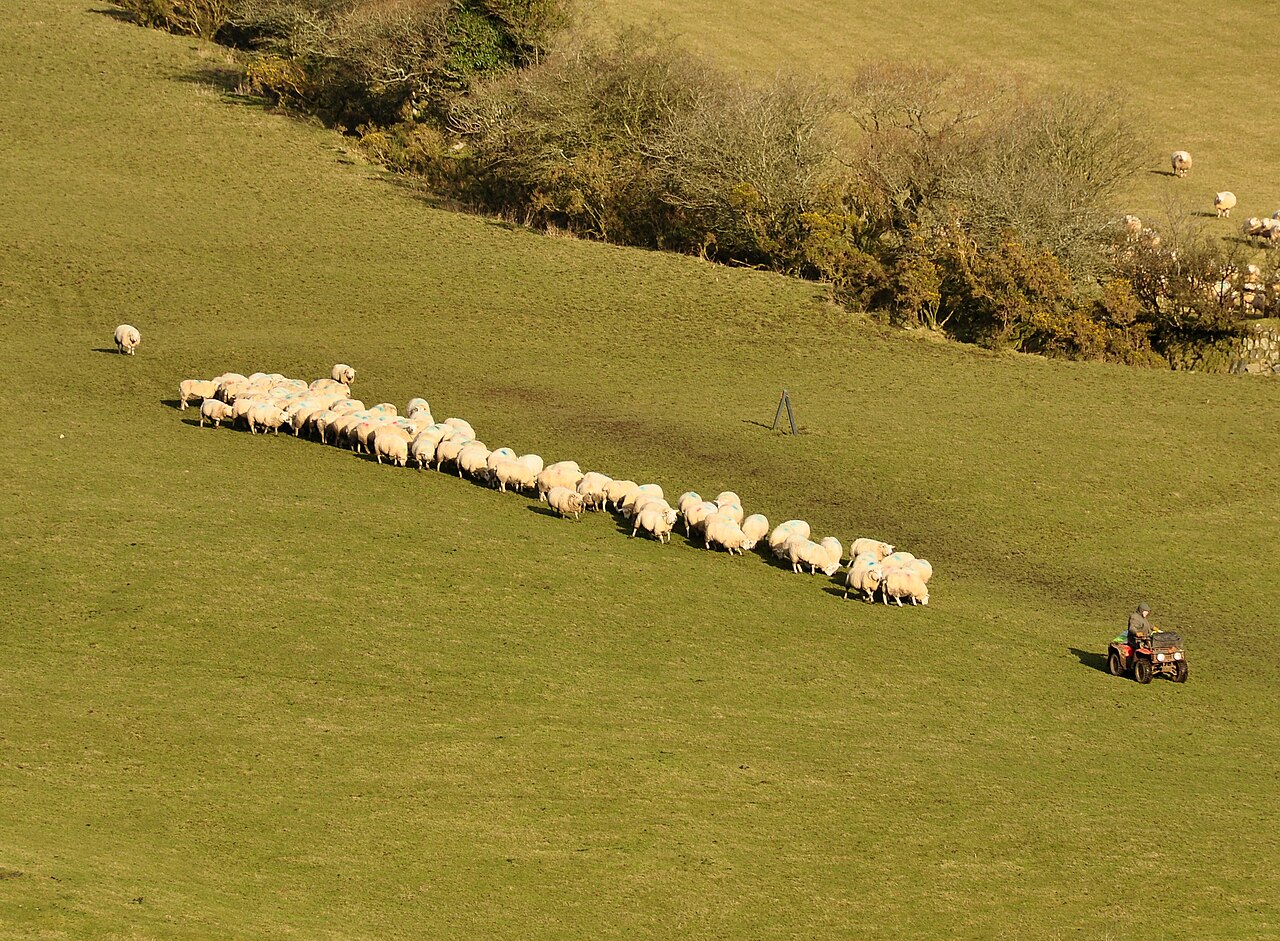
Collections of dead adult sheep rose sharply in parts of England in August as the BTV-3 bluetongue outbreak gathered pace, figures supplied to Farmers Weekly by the National Fallen Stock Company (NFSCo) show.
Across England, 9,404 adult sheep were collected in August 2026, up 6.2 percent from 8,854 a year earlier. But in areas hit hard by bluetongue the rise was far steeper: Devon went from 159 to 652, up 310 percent, and Somerset from 109 to 357, up 228 percent. The two postcode areas together recorded 741 more fallen adult sheep than a year before.
The NFSCo figures do not record cause of death, so they cannot prove bluetongue drove the increase, but the rise coincided with the rapid spread of BTV-3, particularly in south-west England. Government figures of 28 September show 2,124 premises confirmed with BTV-3 or an unspecified serotype this season, 1,768 in England, 318 in Wales and 38 in Scotland, with 1,112 more potential cases under investigation. Devon has 872 confirmed premises, Cornwall 250 and Somerset 156.
Phil Stocker, chief executive of the National Sheep Association, said losses varied widely: "Some flocks have come through lightly. Others are reporting losses of up to 30% within individual groups of sheep." Collection and disposal can cost up to £25 a ewe on top of vet bills and nursing time, he said, and the full impact may show next spring through fewer breeding ewes, reduced ram fertility and possible abortions.
Mandy Nevel, head of animal health and welfare at AHDB, said the outbreak, "likely compounded with the heatwaves and associated heat stress", is thought to account for a significant part of the higher mortality in these regions, but urged farmers to investigate unexplained deaths with their vet. Bluetongue can also cause infertility, reducing the number of lambs and calves born to infected animals.
Photo: Nilfanion / Wikimedia Commons (CC BY-SA 4.0)
Source: Farmers Weekly
Comments
(0)