
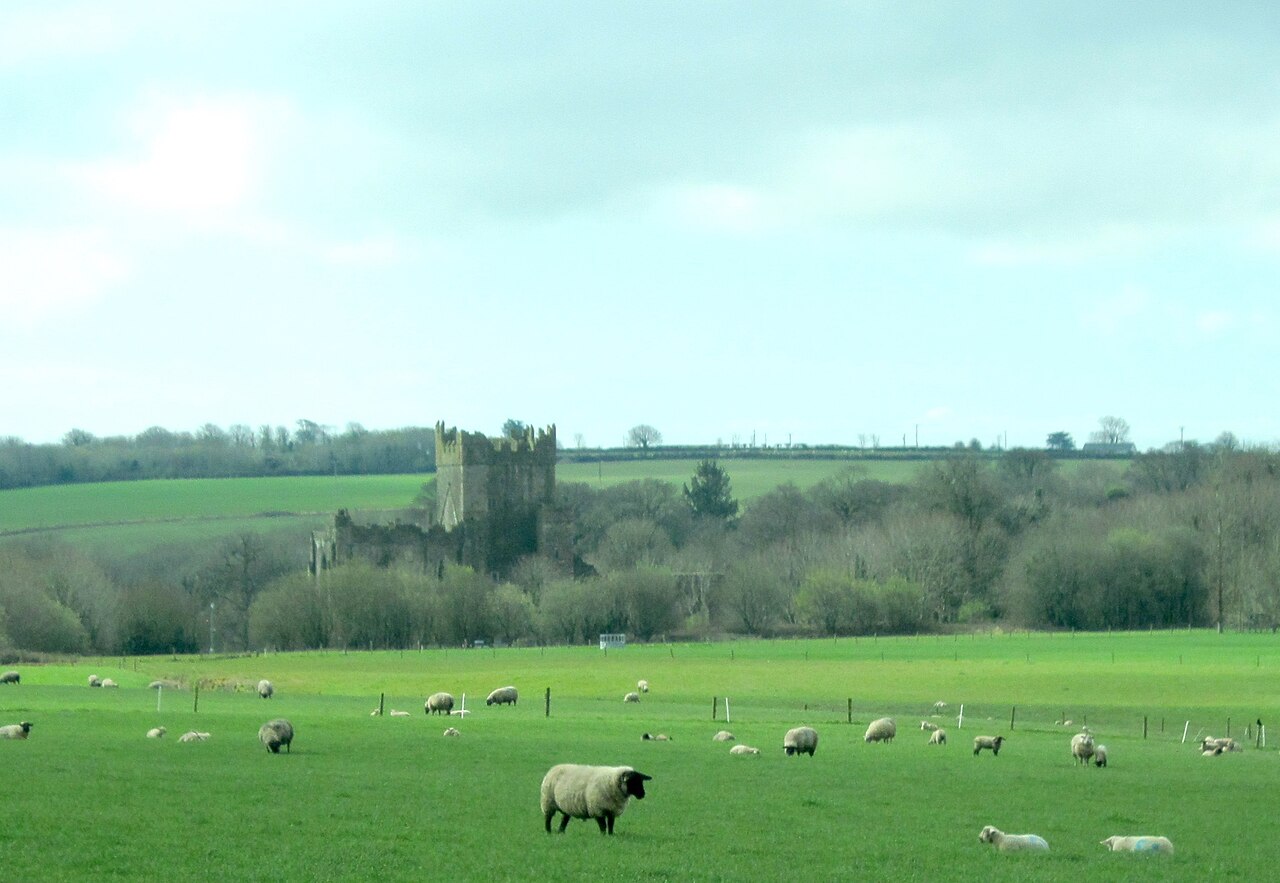
A dead ram in County Wexford has tested PCR-positive for bluetongue virus, the Department of Agriculture, Food and the Marine confirmed on Monday 21 September, the first recorded detection of serotype 3 in a sheep in Ireland. Because it is a first, DAFM said further investigation will take place in the flock.
The finding comes days after the department confirmed three suspect animals in three separate herds in Wexford, Wicklow and Kildare had tested positive after showing clinical signs. Ireland's first case was an unvaccinated heifer in Wexford in early September; the second an unvaccinated cow in a Kildare herd that aborted. Answering a parliamentary question from Sinn Féin TD Martin Kenny, agriculture minister Martin Heydon said PCR-positive animals have now been found in 12 cattle herds across Wexford, Wicklow, Laois, Monaghan, Kildare, Cork and Tipperary, all notified to the World Organisation for Animal Health.
More than 11,000 animals have been sampled and tested for bluetongue antibodies since the start of the year and almost 4,000 have been PCR-tested in DAFM laboratories over nine months. Over 5.7 million doses of BTV-3 vaccine have been licensed for import since January; the department does not count how many cattle and sheep have been vaccinated, which it says is a commercial matter between owners and their vets. "Vaccination remains the best tool with which to combat bluetongue virus," Heydon said, urging farmers who have not done so to talk to their vet, and reminding them that bluetongue is notifiable and suspected cases go to the regional veterinary office.
Bluetongue infects cattle, sheep, goats, deer and camelids and is spread by biting midges found across the island, with transmission highest when midges are most active, traditionally April to November, though milder winters may lengthen the season; wind can carry midges further. Sheep show clearer clinical signs than cattle and mortality can reach 70 percent, while animals without signs can still carry the virus to new areas. The virus does not affect human health or food safety.
Across the Irish Sea, Defra has confirmed 1,517 cases in Britain in the 2026/27 season, with 61 in the past week alone, most in south-west England, and clinical cases in cattle and sheep rising since July. Reporting by Kathleen O'Sullivan and Aisling O'Brien.
Photo: Leslie Noelle Sullivan / Wikimedia Commons (CC BY-SA 4.0)
Source: Agriland

Comments
(0)