
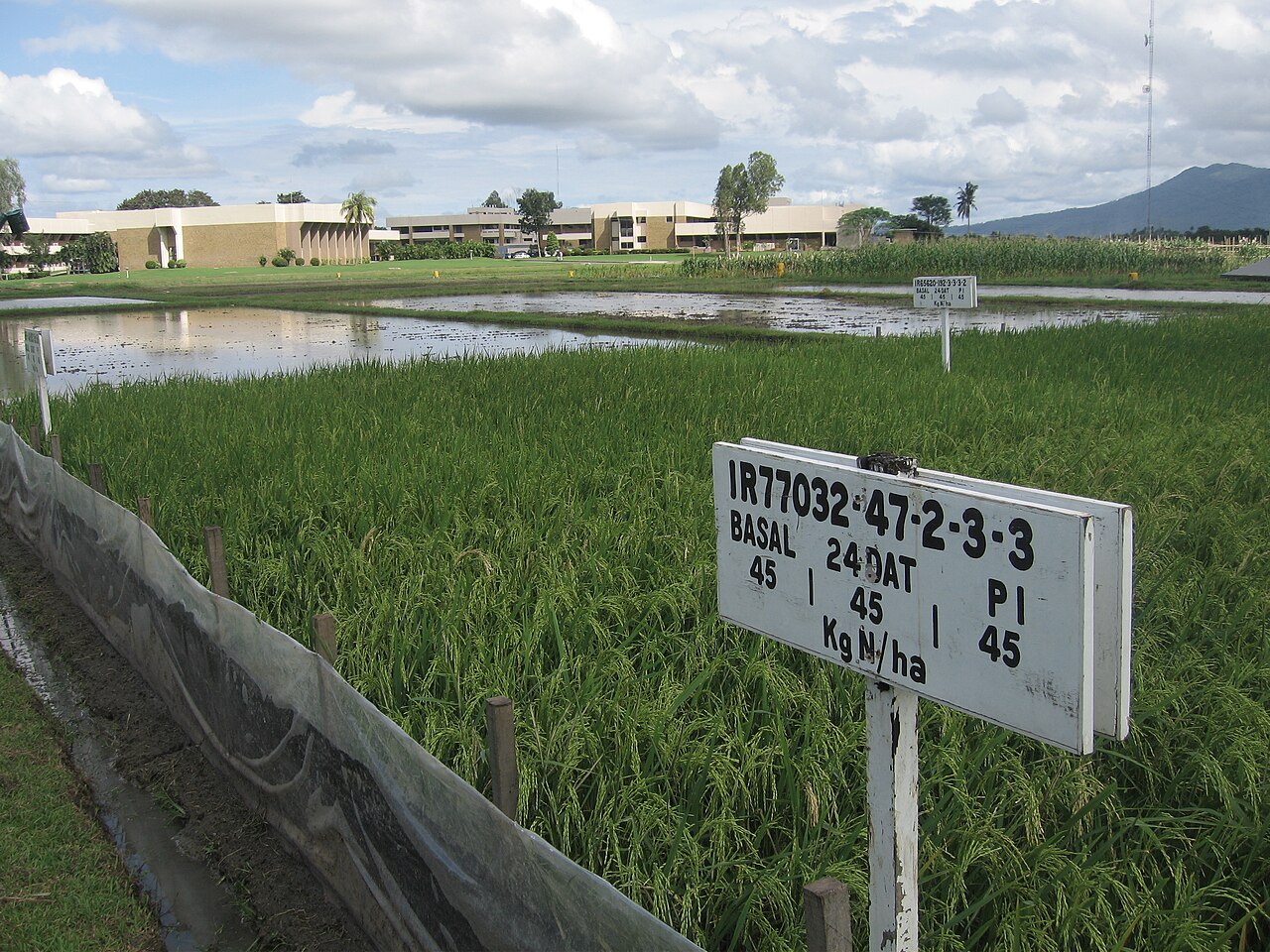
New Zealand company BioLumic has partnered with the International Rice Research Institute (IRRI) to test its light-based technology for switching on seed traits in direct-seeded rice, as it works to complete a funding round to commercialise the technology.
BioLumic, founded in 2013 and with offices in the United States, uses ultraviolet light to activate traits through its xTraits platform. The platform combines photobiological, genomic and phenotypic data to design a light signal recipe that turns existing genes in a plant on or off, without CRISPR or chemicals.
The 15-month pilot will run in the Philippines through the 2026 wet season and the 2026/27 dry season, using six IRRI-bred direct-seeded rice varieties. It aims to validate light-activated traits that could reduce water use and methane emissions, and to prepare for commercial seed projects in India and across South Asia. IRRI runs a direct-seeded rice breeding programme for South and Southeast Asia.
Direct-seeded rice is sown straight into the field instead of being transplanted into flooded paddies, which saves labour and water and lowers methane, said founder and chief science officer Jason Wargent. BioLumic's earlier rice work, supported by $2.1 million in grants from the Bill and Melinda Gates Foundation, showed repeatable gains in seedling growth and establishment across 11 rice varieties.
Wargent said treating parent seeds is enough, because the traits pass to the offspring, which cuts the number of seeds that must be treated by 50 to a hundredfold. The company already treats corn seed with Wisconsin contract producer Gro Alliance and works in South America with GDM and Tropical Melhoramento & Genética. The story was reported by Ryan Daily.
Photo: Africa Rice Center / Wikimedia Commons (CC BY-SA 3.0)
Source: AgNavigator



Comments
(0)