
Biological crop inputs have a large opening in farming, but the companies that capture it will be those whose products fit into the way farmers already manage a crop, not necessarily those with the most novel product, speakers said at the World Agri-Tech Innovation Summit in London.
Forecasts cited at the summit put growth in biologicals at nearly three times the 3% to 5% a year seen in the mature markets for synthetic fertilisers and pesticides. Speakers stressed that biocontrols, biopesticides, biofertilisers and biostimulants should be seen as additions to the farmer's toolbox rather than rivals to chemistry.
"Winners won't have the best products. Not necessarily. The winners will be those who fit better to the system," said Manel Cervera Comabella, managing partner and COO of the market research firm DunhamTrimmer. Tom Greene, who leads external innovation investment for R&D at Corteva Agriscience, said the lesson of the past decade is that biologicals do not work as standalone products and must be built into a programme.
Cervera Comabella said the measure of success is shifting from maximum yield to steady performance when conditions turn hard, and suggested gross margin per hectare and repeat purchases say more about value than revenue growth. That could favour biologicals as growers face drought, heat, pests, disease and volatile input prices. Christine Gould, founder and CEO of Giga Futures, said farming was built for a world that no longer exists and now needs more options.
Greene warned that farmers will not pay extra for a product just because it is natural or sustainable if it does not perform in the field and make money.
Regulation remains the main brake in Europe, speakers said. A biocontrol developed in Europe can take 10 to 12 years to be approved there, against two to three years in Brazil and the United States. Greene called for a streamlined, science- and risk-based approval route for biologicals and other nature-derived products, which he said would speed up both their development and their use on farms.
The report was written by Oliver Morrison for AgNavigator.
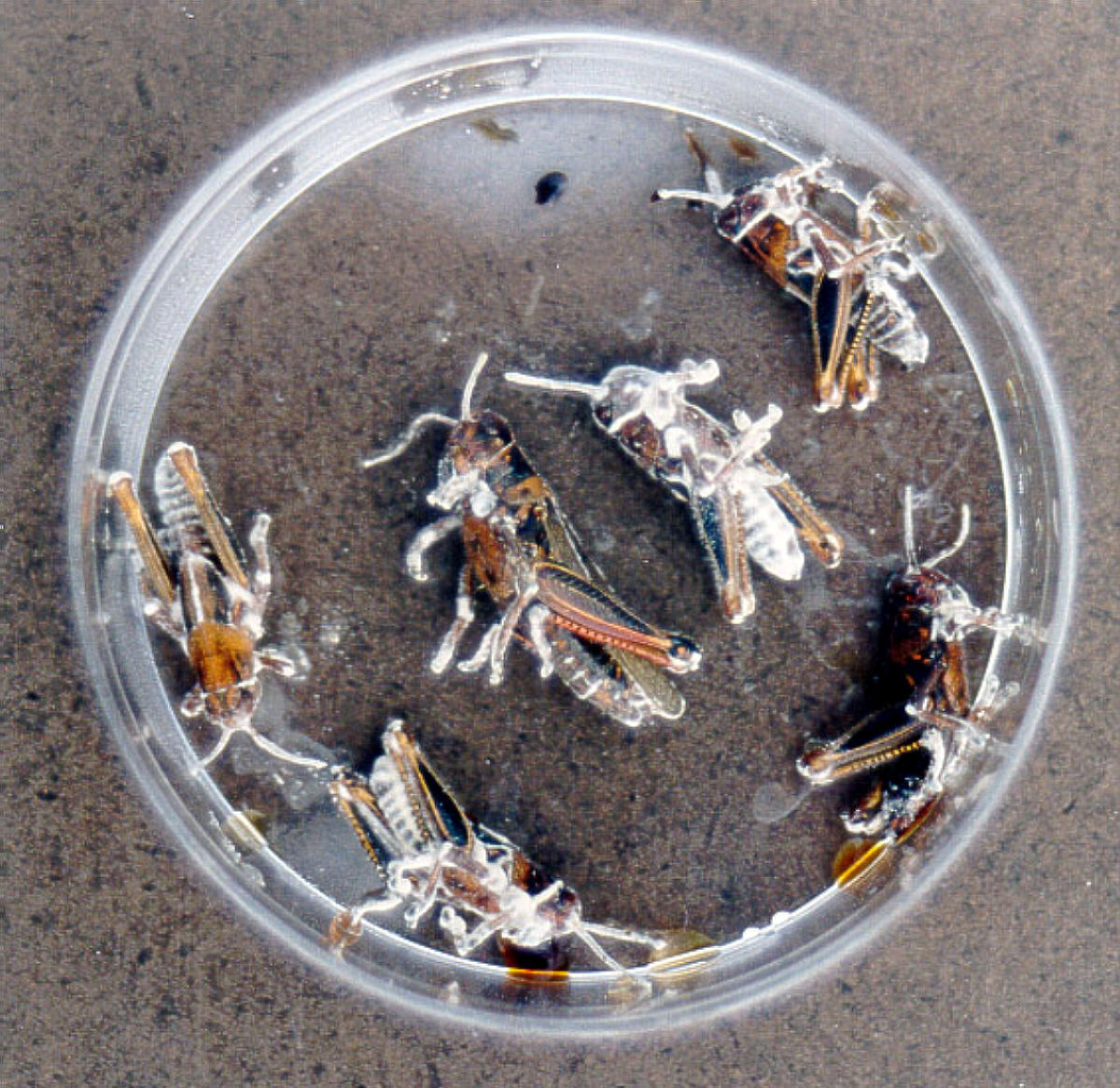
Photo: Stefan Jaronski / Wikimedia Commons (public domain)
Source: AgNavigator


Comments
(0)