
BioConsortia, an agricultural biologicals company in Davis, California, has raised $15 million in new equity to speed the commercial launch of two seed treatments made from naturally occurring soil microbes, the company said on 9 October, Global Agriculture reported. The money came from an entity affiliated with John Pasquesi of Otter Capital, already an investor.
The first product, Always N, uses bacteria that take nitrogen from the air and turn it into a form plants can use. That process normally happens in the root nodules of legumes such as soybeans and peas; BioConsortia applies the microbe as a seed coating designed to work in non-legume row crops too, so farmers need less synthetic nitrogen. It sells both a conventionally bred wild-type version and a gene-edited version, for countries with different rules on gene-edited organisms.
The second, Zaffre, is a biostimulant meant to improve emergence and early stand and help seedlings cope with cold or heat at germination. The company reports an average yield gain of 4.4 bushels an acre over three seasons of corn trials, a company figure rather than an independently audited one.
In New Zealand, where it works with distributor H&T, the share of treated seed using Always N rose from about 5% in 2024 to about 50% in 2025, and the company forecasts about 80% for 2026. It says the product keeps for more than two years before it goes on seed and two more years once coated, so it can move through a normal seed supply chain, unlike some living microbial products that must be used almost at once.
The funds will go to manufacturing, regulatory approvals and sales, and to a pipeline of biological fungicides, nematicides and insecticides. BioConsortia has a distribution partnership with The Mosaic Company for its seed treatments in the Americas, works with Nichino on a foliar biofungicide and is pushing into the European Union, Asia and Australia. Chief executive Marcus Meadows-Smith said the funding builds on its patent portfolio and commercial base.
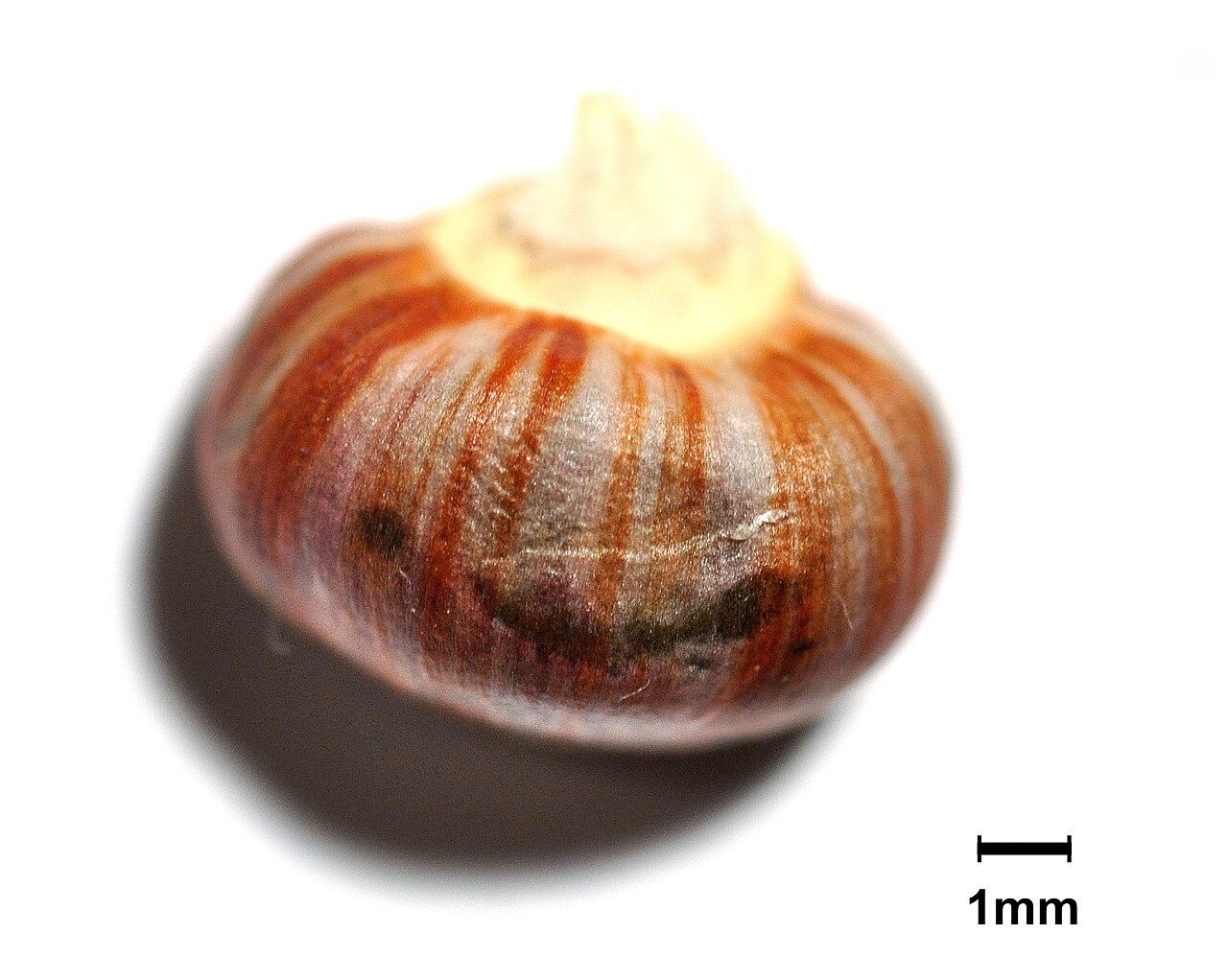
Photo: Amada44 / Wikimedia Commons (CC BY 3.0)
Source: Global Agriculture

Comments
(0)