
Berning Acres, a family dairy farm near the tourist town of Galena in northwest Illinois, is turning its working farm into a visitor attraction to earn extra income at a time when high feed costs and low milk prices are squeezing its margins.
Matt and Natalie Berning run the second-generation farm in East Dubuque, with 500 milking cows on 800 acres (about 324 hectares). Matt's parents, John and Ellen Berning, started it in 1973 with 120 acres and 30 cows, and both still work on it. The farm milks every day of the year and sells its milk for cheese making in Wisconsin through the Rolling Hills Dairy Producers Cooperative.
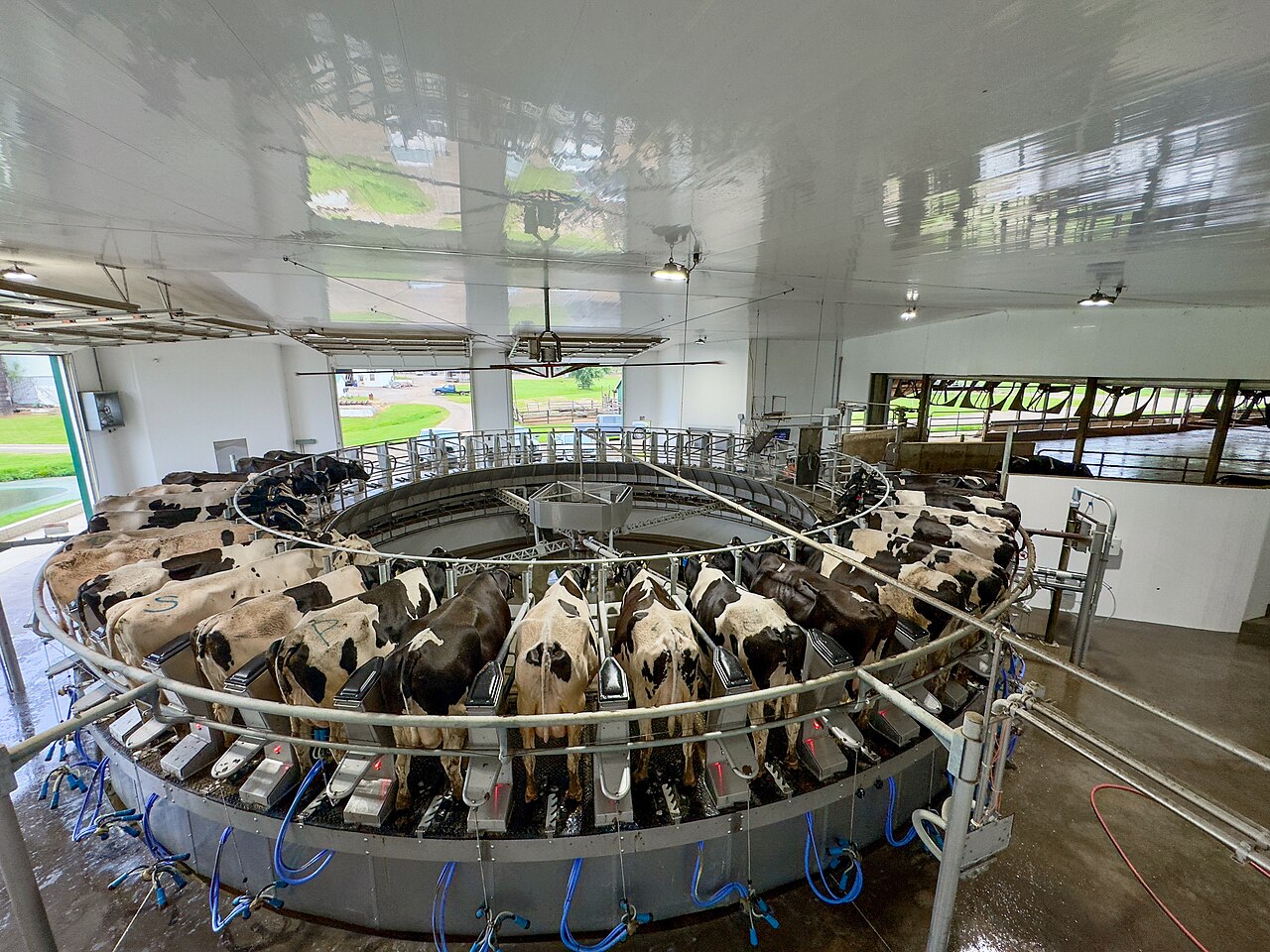
Tours run six days a week and follow the milk from start to finish: the feed store, the calving and rearing areas, and the milking parlour, ending with ice cream made from the farm's own milk. The farm also sells cheese and branded shirts and caps, and advertises the tours on a billboard on US-20 heading into Galena, which Natalie Berning said draws almost 2 million visitors a year.
Farming still earns most of the money, she said, but agritourism brings a supplement with room to grow.
The dairy side is under pressure. Matt Berning said neighbouring corn and soybean growers are benefiting from higher crop prices, but for a dairy the same prices mean costlier feed while milk prices stay low. "Everything is based off the corn price," he said. The farm grows some of its own corn for feed and uses cover crops and no-till to improve the soil, with grants covering part of the cost.
Weather has added to the bills. A wet autumn has slowed the corn harvest, and keeping the cows cool in the hot summer months cost roughly $6,000 to $8,000 a month in electricity.
The farm relies on milking equipment, automatic calf feeders and health-tracking collars on the cows. Matt Berning said the machines from different makers often do not share data with each other, a gap he expects artificial intelligence to help close.
The report was written by Ryan Daily for AgNavigator.
Photo: USDAgov / Wikimedia Commons (public domain)
Source: AgNavigator
Comments
(0)