
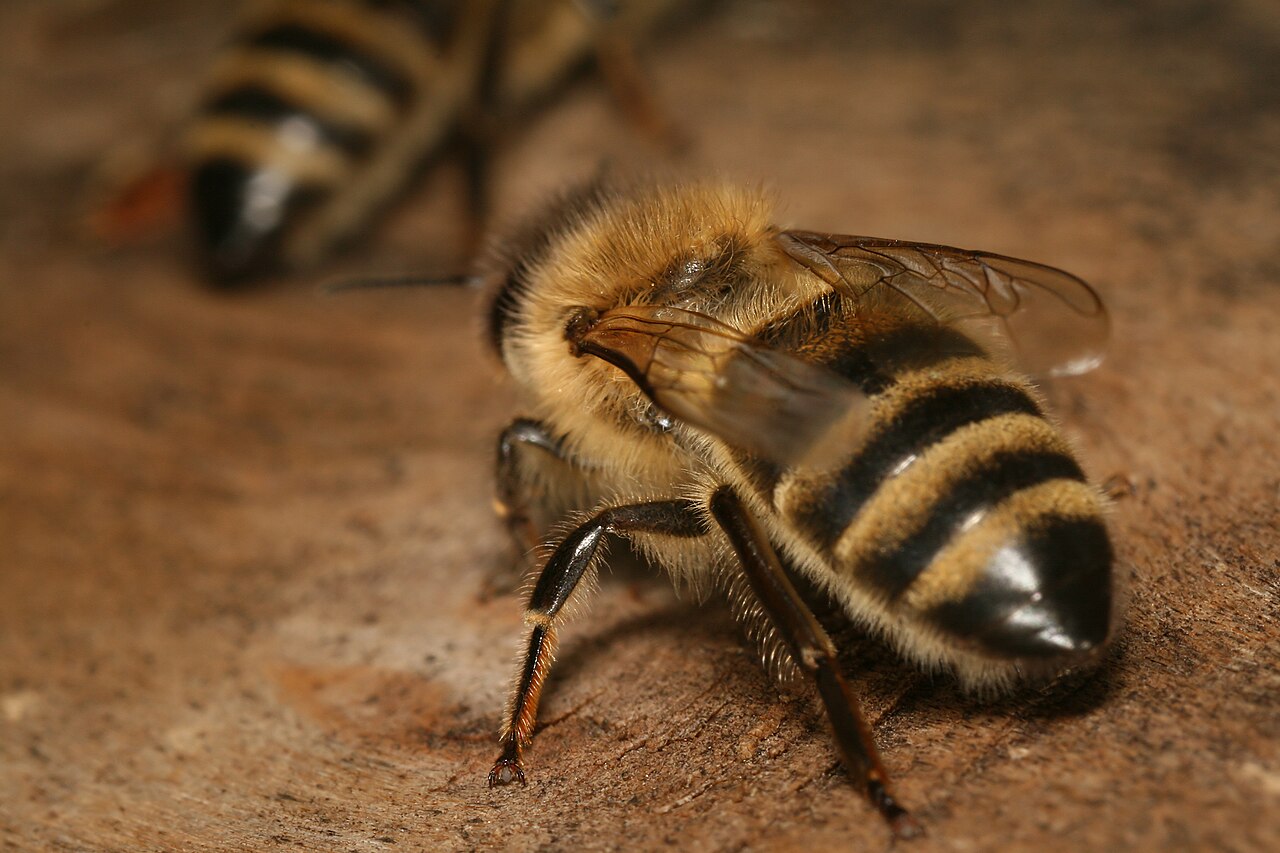
A feed supplement placed at the hive entrance increased the size of honey bee colonies used to pollinate blueberries, according to research led by Washington State University (WSU) with agricultural technology company H4Bees and published in Entomological Communications, Farms.com reported on 29 October.
The powdered supplement, Nano-B-Feed, is a blend of minerals and organic compounds mixed with powdered sugar, and the researchers say all its ingredients are recognised as safe. Because it sits outside the hive, bees take it without the beekeeper opening the colony. Colonies that received it had significantly larger bee populations than untreated colonies.
Blueberry farms rely heavily on managed honey bees, and some beekeepers have reported unexpected colony losses after blueberry pollination. "We don't know exactly why the losses happen, but fear has led some beekeepers to avoid blueberry pollination season entirely," said Lisa DeVetter, professor of small fruit horticulture at WSU's Northwestern Washington Research and Extension Center. Scientists think the supplement may help bees cope with pesticide and fungicide residues met while foraging, though they say more research is needed.
"This involved nearly a decade of field trials and collaboration with researchers, growers, and beekeepers," said Yuval Eshed, H4Bees chief technology officer and a co-author. Development began in Israel, where the product is used commercially on apples, blueberries, cherries, plums, kiwifruit, almonds and seed crops such as onions, cotton and herbs. The team plans larger studies in future seasons with honey bee specialists to understand how the supplement works.
Photo: Richard Bartz / Wikimedia Commons (CC BY-SA 2.5)
Source: Farms.com

Comments
(0)