
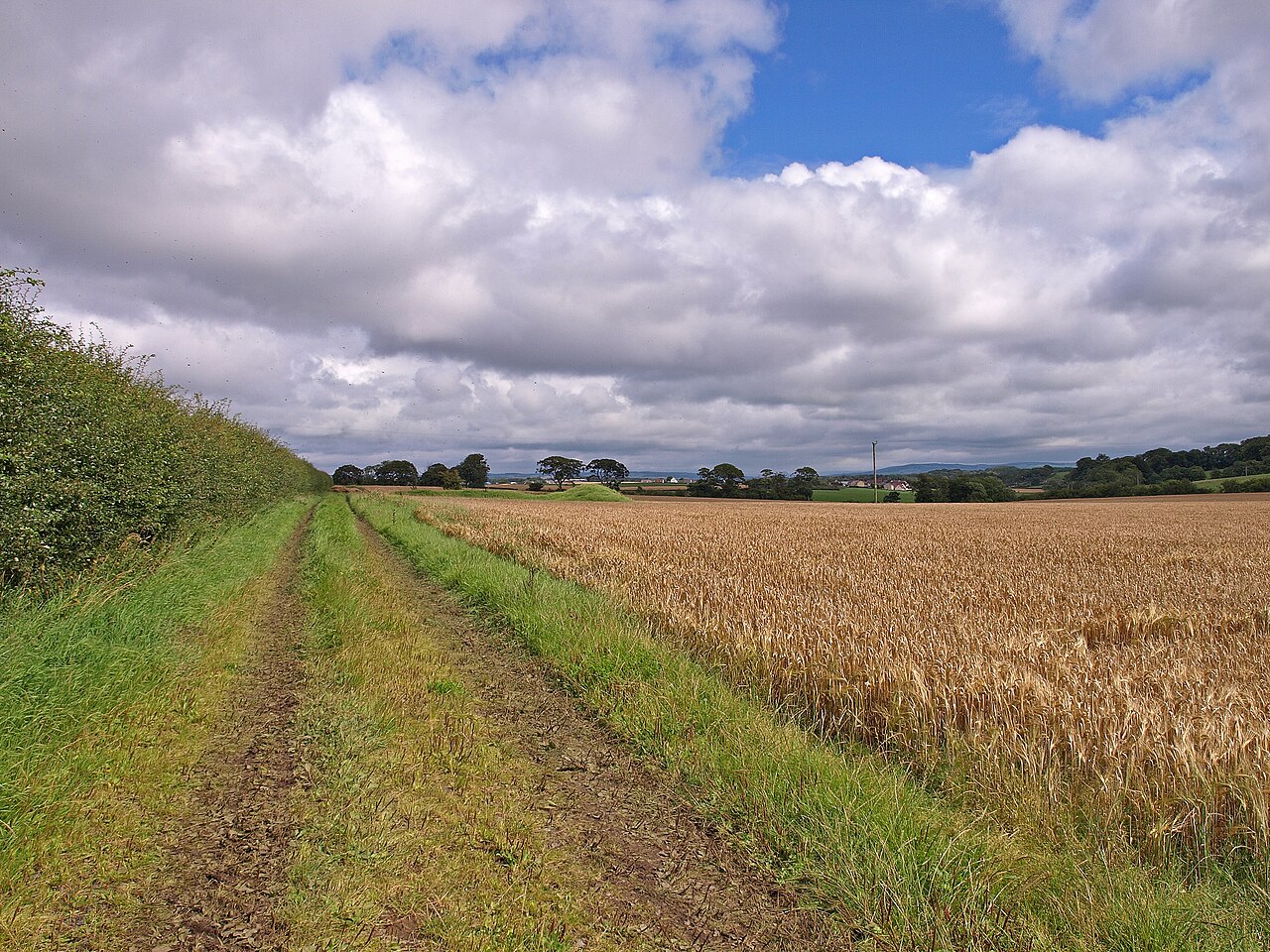
Some barley varieties naturally suppress the soil microbes that turn fertiliser nitrogen into forms that leach away or escape as a greenhouse gas, and breeders could select for the trait, researchers at the University of Aberdeen and the James Hutton Institute's International Barley Hub have found, Global Agriculture reports.
When fertiliser or organic matter breaks down, it releases ammonium, which binds to soil and stays available to roots. Ammonia-oxidising archaea and bacteria then convert it into nitrate, which is easily lost. Plants that hold back these microbes, a trait called biological nitrification inhibition (BNI), could keep more nitrogen where crops can use it.
The team grew ten barley cultivars in agricultural soil under controlled conditions and used quantitative PCR to count the amoA gene, common to both microbial groups, as a measure of their populations compared with unplanted soil.
Results varied sharply. Optic, classed as high-BNI, cut ammonia-oxidising archaea by 23% and bacteria by 30%; Westminster and Decanter also suppressed archaea by 23% and 21%. Because the capacity differed so clearly between varieties grown in identical conditions, the researchers concluded it is heritable and can be bred into new varieties.
The study, published on 4 August 2026 in the journal Sustainable Microbiology, was led by Jack Henderson with Cecile Gubry-Rangin of Aberdeen's School of Biological Sciences as corresponding author, working with Timothy George of the International Barley Hub.
Photo: wfmillar / Wikimedia Commons (CC BY-SA 2.0)
Source: Global Agriculture

Comments
(0)