
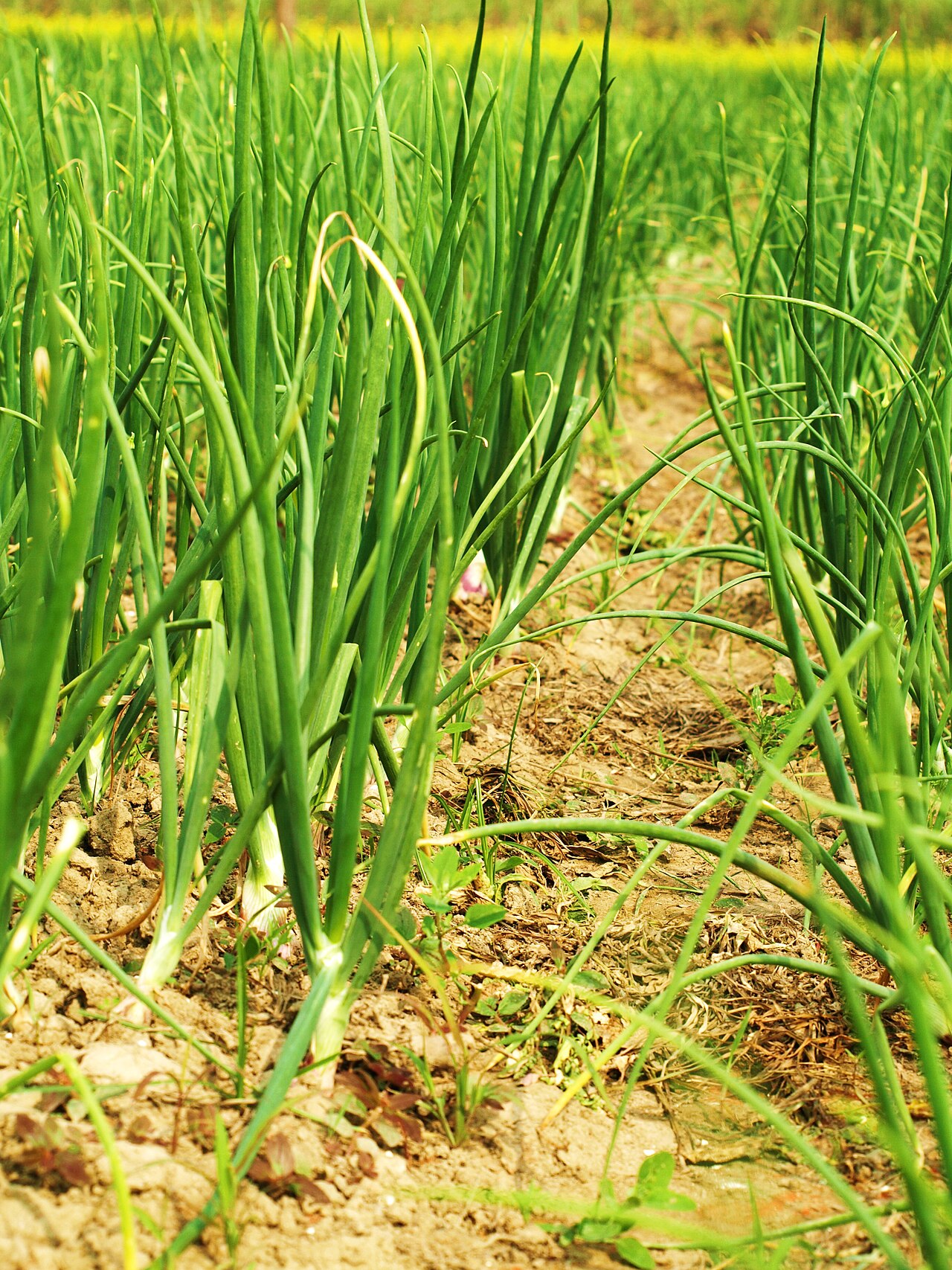
Bangladesh produced almost 600,000 tonnes more onion in a year, while potato output fell by about 300,000 tonnes, according to the April-June quarterly report of the agriculture wing of the Bangladesh Bureau of Statistics (BBS), which compares cultivation and production in the 2024-25 and 2025-26 fiscal years. Aman rice, garlic, winter chilli, maize and soybean also rose; wheat dipped slightly.
Onion production rose from 3.221 million tonnes to 3.820 million tonnes, an increase of 599,000 tonnes or 18.6 percent, and the area under onion grew from 535,599 acres to 569,787 acres. Agriculture Minister Mohammad Amin Ur Rashid has said that, with the larger crop, Bangladesh did not need to import onion in the current fiscal year.
Garlic climbed from 565,682 tonnes to 605,446 tonnes and winter chilli from 561,397 tonnes to 616,340 tonnes. Potato went the other way, falling from 11.573 million tonnes to 11.272 million tonnes, a drop of 301,000 tonnes, on a smaller area.
Agricultural economist Jahangir Alam Khan told Prothom Alo that farmers had got good onion prices the year before and so were keen to grow more, helped by better storage. With potato it was the opposite, he said: for two years farmers did not get a fair price and lost money even after keeping potatoes in cold storage, so they planted less. Economists say market prices largely decide how much of each crop is sown.
Aman output rose from 16.514 million tonnes to 17.359 million tonnes, up 845,000 tonnes, which agricultural experts put down partly to favourable weather. Wheat fell from 1.041 million tonnes to 1.028 million tonnes (1.2 percent less) as its area shrank from 693,724 acres to 685,156 acres. Winter maize rose from 4.873 million tonnes to 5.048 million tonnes and soybean from 108,000 tonnes to 136,000 tonnes.
The report also gives farm wages. In March a male farm labourer earned an average of Tk 628 a day and a woman Tk 461. In June, with one meal, men got Tk 622 and women Tk 437; with two meals Tk 639 and Tk 460; with three meals Tk 664 and Tk 515. The BBS interviews a sample of 10 farm labourers in every upazila, and where none can be found it asks farmers who hired day labour.
The report is by Prothom Alo's staff correspondent.
Photo: Shmunmun / Wikimedia Commons (CC BY-SA 3.0)
Source: Prothom Alo

Comments
(0)