
From 1 November, listed categories of food business in Bangladesh must register and makers of specialised food products must hold a licence. Food packets will also have to show a registration number from the Bangladesh Food Safety Authority (BFSA). The rules come under the Safe Food (Registration and Licence) Regulations 2026, drafted by the authority and published in the official gazette on 16 July.
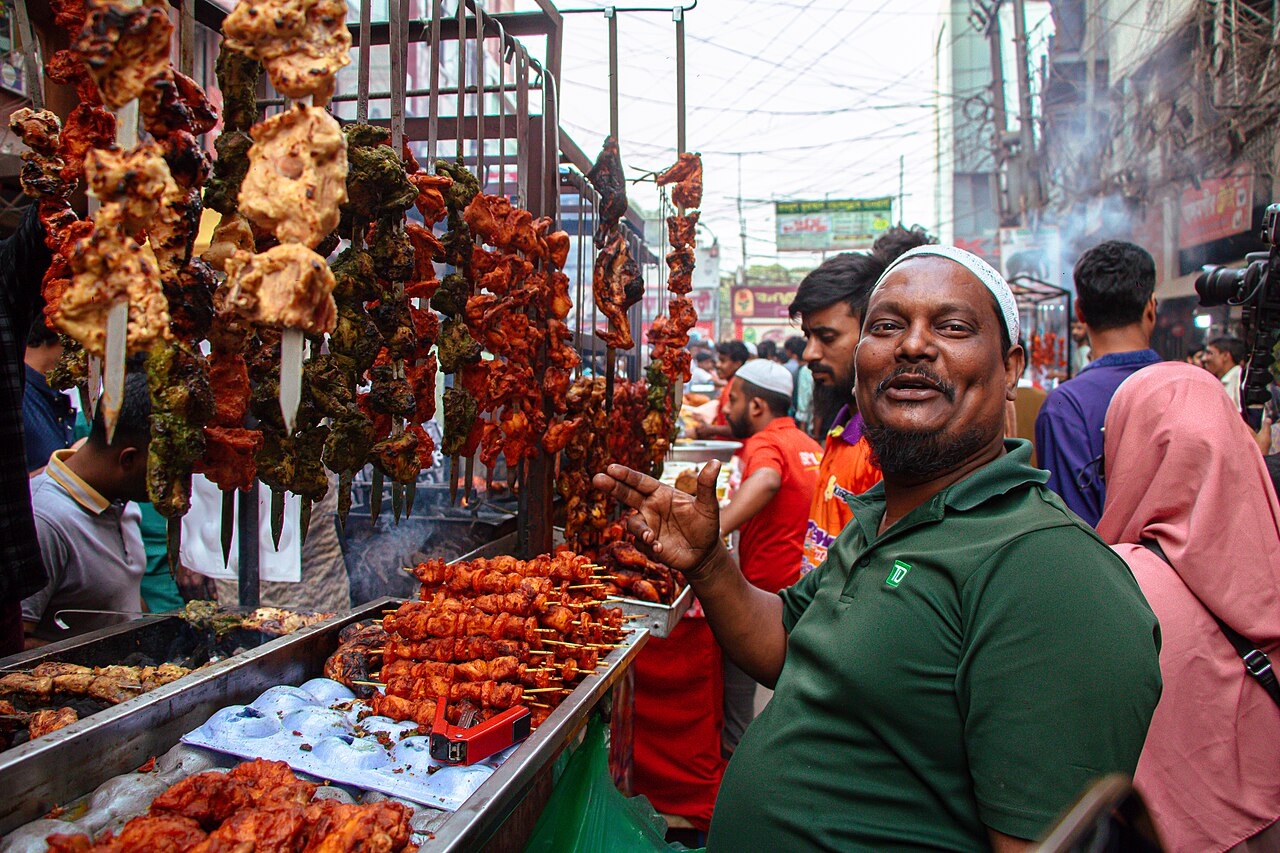
They cover everything from roadside pitha and snack stalls to restaurants, bakeries, sweet shops, caterers, dairy processors, packaged-food makers, food stores, cold storage and listed food importers and wholesalers. First registration for 16 common categories of food business is free. Running a business without registration or a licence is an offence under the Safe Food Act 2013.
Separate licences are required to make, process, store, import or market infant formula, special foods for older people and patients with particular conditions, supplements, probiotic and prebiotic foods and nutraceuticals. Genetically modified, organic, irradiated, novel and fortified foods, and products carrying health or risk-reduction claims, must also be registered and licensed as their conditions require.
Fees depend on size: a premises licence costs Tk 10,000 for 100 square metres or less and a new licence Tk 60,000 for more than 10,000 square metres. The authority asks businesses to check the fees in Schedule 10 of the regulations and the conditions that apply to them before applying. Registrations and licences last three years and must then be renewed.
Applications will at first go through BFSA district offices, with a fully online system being introduced in stages.
The authority says the number on the packet will make producers and marketers easier to trace and give consumers a reference when they complain, though a registration number alone does not guarantee that a product is safe and other quality rules still apply.
The report is by Dhaka Tribune.
Photo: Dip Loho / Wikimedia Commons (CC BY-SA 4.0)
Source: Dhaka Tribune


Comments
(0)