
In the past decade coffee has taken a firm place beside tea in Bangladesh. Citing the Department of Agricultural Extension (DAE), Prothom Alo reports that the country imported 139 tonnes of coffee in 2003 and 264 tonnes in 2012, and that imports reached 1,745 tonnes in 2025, more than six times the 2012 level.
The DAE review shows the tea market growing by about 5 per cent a year over the decade, against an average of 56 per cent for coffee. In fiscal 2023-24 imports fell to 1,439 tonnes after world coffee bean prices rose 30 per cent and import duties went up, 17 per cent lower than the year before according to the National Board of Revenue. Coffee now comes from about 40 countries, 88 per cent of it from India, Indonesia, Malaysia, Brazil and Vietnam, with Brazil the largest supplier.
Nestle began marketing coffee formally in 1998. According to the DAE, more than 250 companies, including Abul Khair, PRAN-RFL, Beximco and Meghna Group, now import and sell coffee, and small entrepreneurs are opening cafes alongside the big chains.
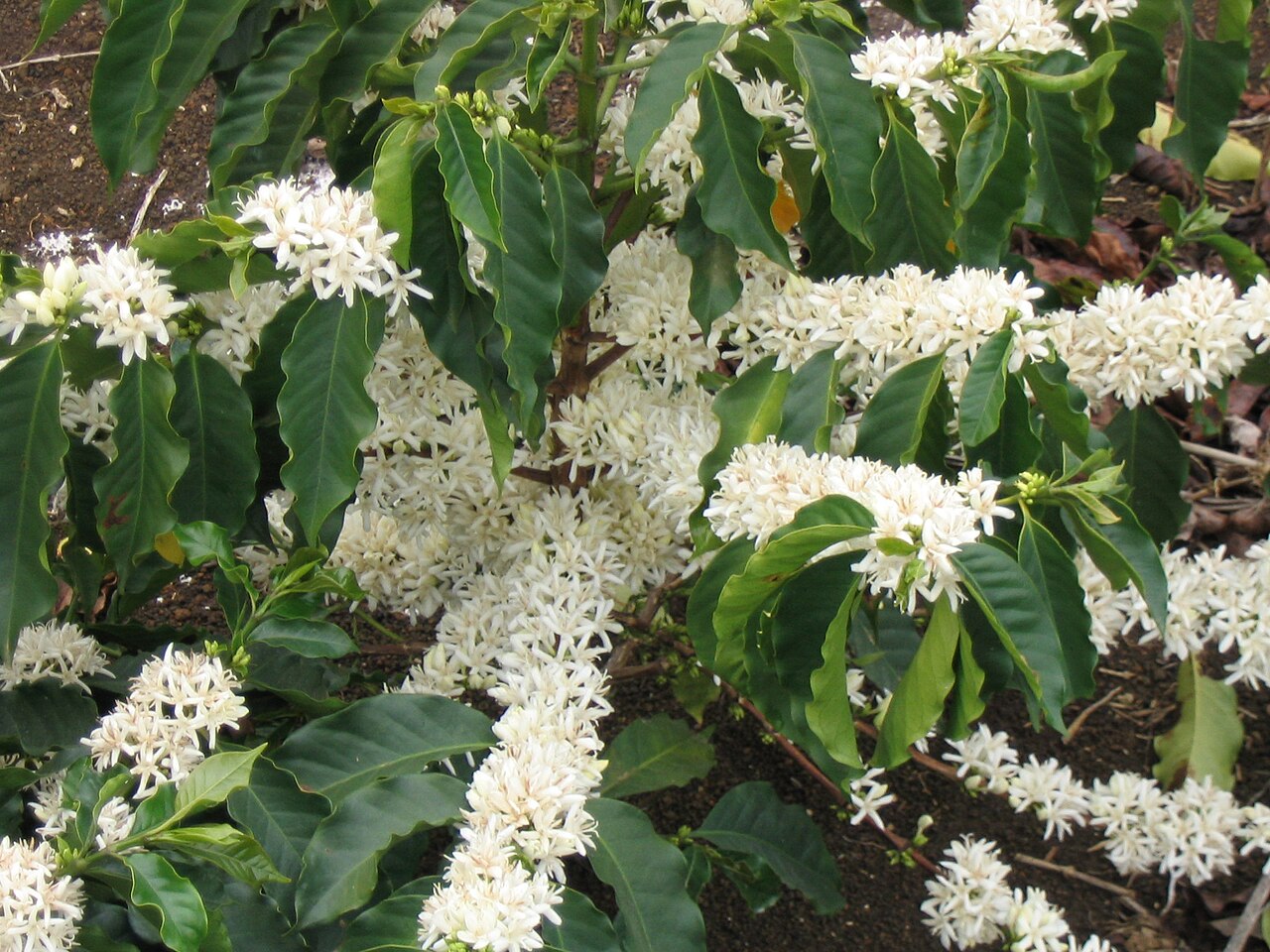
Local production is growing too. Coffee farming began in the three hill districts but is now commercial in Tangail, Rangpur and Nilphamari as well. DAE officials say good market prices are drawing farmers in and the area under coffee grows every year. Abul Khair Group grows coffee commercially in the hill region, and North End has supported hill farmers for about a decade and sells their coffee in its cafes.
Kamran Tanvirur Rahman, chairman of the Bangladesh Tea Association, says local coffee growers need protection, so import duties should be kept high rather than cut. Duty is currently 96.1 per cent on packaged coffee imports of up to 2.5 kg and 64.25 per cent on bulk imports.
Photo: Marcelo Corrêa / Wikimedia Commons (CC BY-SA 3.0)
Source: Prothom Alo

Comments
(0)