
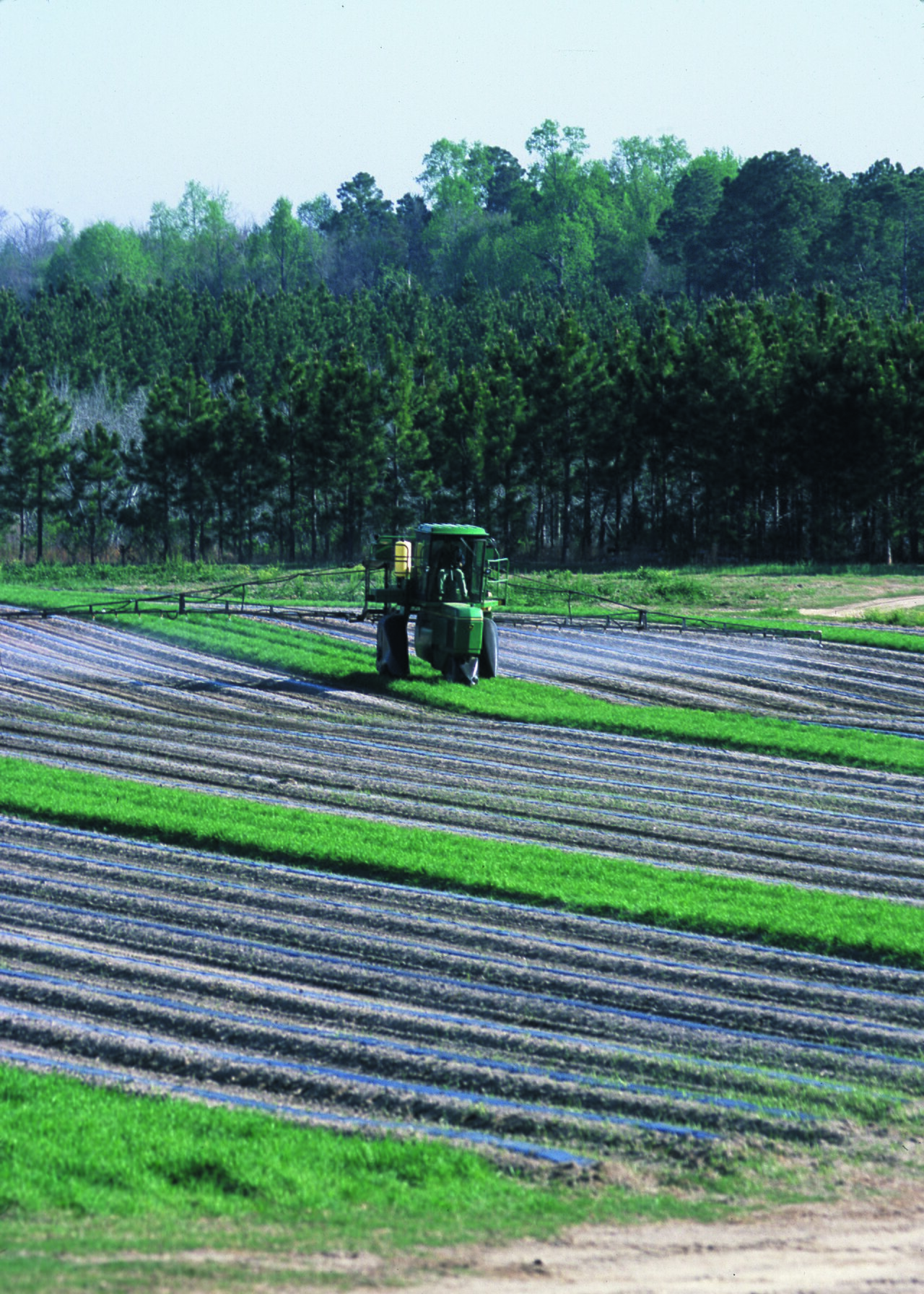
Bangladesh has decided to stop registering, importing and renewing licences for two widely used and high-risk herbicides, paraquat and glyphosate. In a column for Our Islam, Minhaj Uddin Attar, an Islamic scholar and agricultural entrepreneur, calls the decision an important and timely step for food safety and public health.
The decision was taken at the 91st meeting of the Pesticide Technical Advisory Committee (PTAC) held at the Bangladesh Agricultural Research Council (BARC), the column says. Besides halting new registrations, existing licences will not be renewed, and about 395 tonnes of paraquat now in stock are to be phased out within six months. The national biodiversity action plan also aims to cut the use of hazardous pesticides by at least 25 per cent by 2030.
Paraquat is one of the world's most toxic herbicides, the writer says, banned or tightly restricted in more than 70 countries including the European Union, and even a small amount can severely damage the lungs, kidneys and liver. He cites an analysis of 2024 data in which about 43.2 per cent of 257 paraquat poisoning patients died. Glyphosate's long-term health and environmental risks have been debated internationally for years, he adds.
Many farmers still use chemicals without proper training and are the first to be harmed, he writes. A ban alone is not the answer: farmers need training in safe, environment-friendly weed control, stocks must be closely watched so they do not leak illegally into the market, the Department of Agricultural Extension must monitor in the field, and both farmers and consumers need to be made aware.
Farming success cannot be measured by output alone, he concludes; if food becomes a health risk, that success is meaningless. What is needed now is strict enforcement, research-based farm policy and the spread of safe alternatives.
The views are the writer's own.
Photo: Jeff Vanuga, USDA NRCS / Wikimedia Commons (public domain)
Source: Our Islam

Comments
(0)