

Which is the better fruit to eat every day, a banana or an apple? The lifestyle desk of the Bengali news site Jagonews24 took up that common question in a report published on 11 July 2026. Its answer was that neither can be called better or worse than the other: both are nutritious, each has its own benefits, and which suits a person more depends on age, physical condition, lifestyle and daily nutritional needs. The report drew on the health sites Verywell Health and HealthShots and on the Times of India.
This version checks the report's points against the bodies that measure food and set dietary advice: the U.S. Department of Agriculture's FoodData Central database, the Office of Dietary Supplements at the U.S. National Institutes of Health (NIH), MedlinePlus, the World Health Organization (WHO), the National Health Service in England (NHS), Harvard T.H. Chan School of Public Health's Nutrition Source, and studies published in peer-reviewed journals. Claims that none of them supports have been left out. The article is general information, not medical advice: anyone with diabetes, kidney disease, high blood pressure or another long-term condition should ask a doctor or a registered dietitian before changing what they eat.
What the July 2026 report said
On apples, the report said they rank near the top of lists of healthy fruit because they contain plenty of dietary fibre, especially pectin, which helps keep the gut healthy, along with vitamin C, potassium and antioxidants. Regular apple eating, it said, helps keep cholesterol in check, and apples are useful for heart health and weight control because they are relatively low in calories and keep people full for longer.
On bananas, the report described an easily available, inexpensive fruit and a source of quick energy, with potassium, vitamin B6, vitamin C, magnesium and natural sugars. Many people eat a banana before or after exercise, it noted, and the potassium helps muscles work normally and helps control blood pressure. For weight control it gave apples a slight edge, while bananas, with more natural sugar, suit people who exercise regularly or do heavy physical work.
The report said both fruits are good for the heart in different ways, and that people with diabetes may eat both in moderation on the advice of a doctor or nutritionist. It closed by saying that eating a range of fruit across the week, such as apples, bananas, guava, papaya, oranges, mango and lychee, gives the body a wider mix of vitamins, minerals and antioxidants than eating the same fruit every day. The sections below take these points one by one.
The two fruits side by side in USDA figures
FoodData Central, the food composition database of the U.S. Department of Agriculture (USDA), lists both fruits in its SR Legacy data set, released in April 2019. Per 100 grams of the raw edible part, it gives these values:
- Banana, raw: 89 kcal of energy, 74.91 g of water, 22.84 g of carbohydrate, 12.23 g of total sugars (4.98 g glucose, 4.85 g fructose and 2.39 g sucrose), 5.38 g of starch, 2.6 g of dietary fibre, 1.09 g of protein, 358 mg of potassium, 27 mg of magnesium, 8.7 mg of vitamin C, 0.367 mg of vitamin B6 and 20 micrograms of folate.
- Apple, raw, with skin: 52 kcal of energy, 85.56 g of water, 13.81 g of carbohydrate, 10.39 g of total sugars (5.9 g fructose, 2.43 g glucose and 2.07 g sucrose), 0.05 g of starch, 2.4 g of dietary fibre, 0.26 g of protein, 107 mg of potassium, 5 mg of magnesium, 4.6 mg of vitamin C, 0.041 mg of vitamin B6 and 3 micrograms of folate.
The same database puts a medium banana, 7 to 7 7/8 inches long, at 118 grams of fruit, and a medium apple, about 3 inches across, at 182 grams. Harvard's Nutrition Source gives the figures by the piece: a medium ripe banana provides about 110 calories, 28 grams of carbohydrate, 3 grams of fibre, 15 grams of naturally occurring sugar and 450 milligrams of potassium, while a medium apple provides about 95 calories, 25 grams of carbohydrate, 3 grams of fibre and 19 grams of naturally occurring sugar. The numbers differ a little between sources because fruit size and variety differ.
Read this way, the report's broad picture holds. Weight for weight, the apple carries fewer calories and more water, and its fibre content is close to the banana's. The banana carries more of almost every listed vitamin and mineral, including potassium, magnesium, vitamin B6 and vitamin C, and nearly all of its energy comes from carbohydrate, part of it as starch. Neither fruit has much fat or protein.
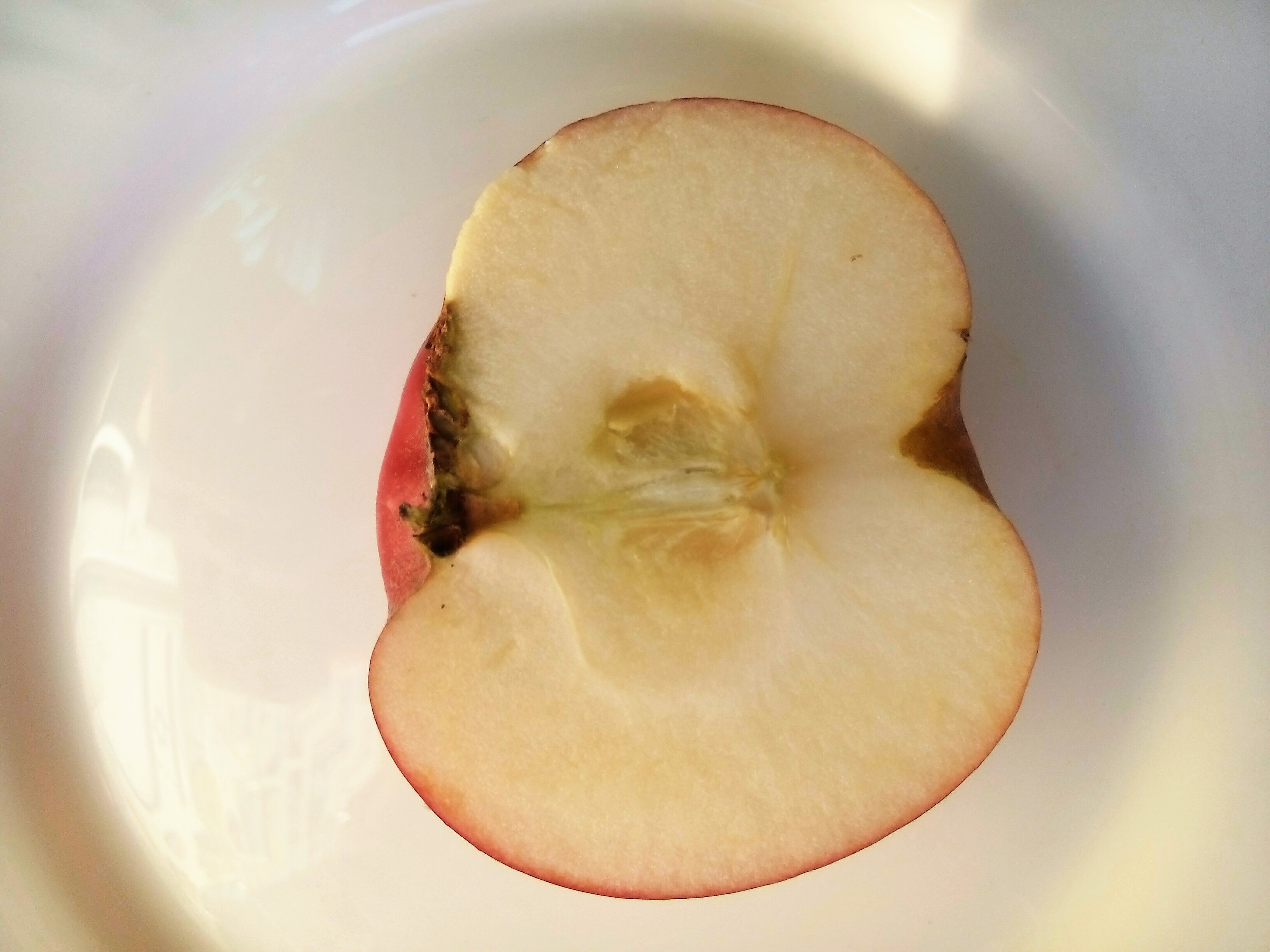
Apples: fibre, pectin and the value of the peel
Dietary fibre is the part of plant food the body cannot digest. Harvard's Nutrition Source divides it into soluble fibre, which dissolves in water, and insoluble fibre, which does not, and lists apples among the foods that supply both: soluble fibre from the flesh and insoluble fibre from the edible skin. It describes pectin as a soluble, highly fermentable fibre found in apples, berries and other fruits, and says pectin may help prevent constipation. Soluble fibre, it adds, may lower blood cholesterol by interfering with the production of bile acids and may help prevent blood glucose surges after eating.
The peel matters. According to the Nutrition Source, apple skin supplies the majority of the fruit's healthy plant compounds and fibre, and discarding it removes much of the fibre and most of the flavonoids. One of those flavonoids is quercetin, a naturally occurring plant chemical with antioxidant and anti-inflammatory effects. Clear apple juice is filtered and pasteurised, which removes most of the flavonoids and fibre, so the whole fresh fruit provides the most nutrients.
How much fibre people need is set out by health services. The NHS, in a page last reviewed on 2 March 2026, says adults should aim for 30 grams of fibre a day, while most adults in the UK eat an average of about 20 grams. It gives about 15 grams a day for children aged 2 to 5, about 20 grams for those aged 5 to 11 and about 25 grams for those aged 11 to 16. Eating plenty of fibre, the NHS says, is associated with a lower risk of heart disease, stroke, type 2 diabetes and bowel cancer, and fibre helps digestion and prevents constipation. The Nutrition Source advises at least 25 to 35 grams a day and notes that most Americans get only about 15 grams.
Apples, cholesterol and the heart: what trials found
The report's statement that apples help keep cholesterol in check has support from a controlled trial. In a study published in the American Journal of Clinical Nutrition in February 2020, researchers at the University of Reading in the United Kingdom and the Fondazione Edmund Mach in Italy gave 40 healthy adults with mildly raised cholesterol, 23 women and 17 men, two apples a day for eight weeks, and for another eight weeks a drink matched for sugar and energy, with a four-week break between. The apples were Renetta Canada, a variety rich in polyphenols called proanthocyanidins.
Compared with the control drink, the whole apples lowered serum total cholesterol (5.89 against 6.11 millimoles per litre), LDL cholesterol (3.72 against 3.86) and triglycerides (1.17 against 1.30), and improved the response of small blood vessels. They had no effect on blood pressure or other cardiovascular markers, and serum uric acid rose slightly. The authors concluded that the results support beneficial effects on cholesterol and blood vessels from daily eating of polyphenol-rich apples by people with mildly high cholesterol.
The wider evidence is less settled. Harvard's Nutrition Source describes human studies of fresh apples, cider and apple supplements on heart health as showing mixed results: a Swedish cohort found a lower risk of stroke among people who ate the most apples, while an analysis of the Nurses' Health Study found no difference in heart attacks or deaths from heart disease between the highest and lowest flavonoid intakes. A 2011 review by Dianne Hyson of California State University, Sacramento, in the journal Advances in Nutrition, summarised clinical, laboratory and animal data and reported that apples and apple products have been associated with beneficial effects on the risk, markers and causes of cancer, cardiovascular disease, asthma and Alzheimer's disease.
The old saying "an apple a day keeps the doctor away" was itself tested by researchers at Dartmouth's Geisel School of Medicine, who published their findings in JAMA Internal Medicine in 2015. Of 8,399 American adults in a national nutrition survey, 753, or 9.0 percent, ate at least one small apple a day. In the crude figures, 39.0 percent of apple eaters had avoided doctor visits, against 33.9 percent of others, but after adjusting for education, smoking and other differences the link was no longer statistically significant. The apple eaters did appear to use fewer prescription medicines. The researchers concluded that the evidence does not support the claim that an apple a day keeps the doctor away.
Weight, sugar and feeling full
For weight control the report gave apples a slight edge, and a large study points the same way. Researchers led by the Harvard T.H. Chan School of Public Health followed 133,468 American men and women in three long-running cohorts from 1986 to 2010 and published the results in PLOS Medicine in September 2015. Over four-year periods, each extra daily serving of fruit was linked to 0.53 pounds less weight gain. The figure was 1.11 pounds for berries and 1.24 pounds for apples and pears. Fruits and vegetables with more fibre and a lower glycaemic load showed the strongest links, and the authors noted that, as in all such observational studies, they could not rule out other factors.
Harvard's Nutrition Source sums this up by saying apples and pears were linked to the least weight gain over 24 years, with their fibre and low glycaemic load as likely reasons, and that fibre can help keep hunger in check. In the USDA figures, 100 grams of apple supplies 52 kcal and 100 grams of banana 89 kcal.
A banana's sugar does not make it a fruit to avoid. The Nutrition Source gives ripe bananas a low glycaemic index of 51 and a moderate glycaemic load of 13, and slightly under-ripe bananas an even lower glycaemic index of 42 and a load of 11. The index measures how quickly a food raises blood glucose. The report's advice that people with diabetes should be guided by their doctor or a nutritionist stands: how much fruit suits a person with diabetes, and when, is a question for the person's own care team.
WHO's limit on sugar concerns free sugars, which it defines as sugars added to food and drinks by the manufacturer, cook or consumer and sugars naturally present in honey, syrups and fruit juices. It says they should be kept to less than 10 percent of total energy intake, about 50 grams a day for a person eating about 2,000 calories, with further benefits from going to 5 percent or less. Whole fresh fruit is not in that definition, while fruit juice, WHO notes, contains significant free sugars even without added sugar. The NHS limits fruit juice, vegetable juice and smoothies together to 150 millilitres a day.
Bananas: quick energy for exercise and work
The report's point about exercise has been tested. In a study published in PLOS ONE in May 2012, researchers at Appalachian State University's Human Performance Laboratory in North Carolina had 14 trained cyclists complete two 75-kilometre time trials, once eating bananas and once drinking a 6 percent carbohydrate sports drink, each supplying 0.2 grams of carbohydrate per kilogram of body weight every 15 minutes. Performance did not differ, at 2.41 hours with bananas and 2.36 hours with the drink, and blood glucose, inflammation, oxidative stress and immune measures were similar. The study was partly funded by Dole Foods, and two of its scientists worked at the Dole Nutrition Research Laboratory, as the paper declares.
The energy comes from the banana's carbohydrate. In the USDA figures a ripe banana's sugars are a near-even mix of glucose and fructose with some sucrose, and it still holds some starch. As a banana ripens, the plant hormone ethylene stimulates an enzyme, amylase, that breaks starch down into sugar, which is why a green banana tastes starchy and a ripe one sweet. Harvard's Nutrition Source notes that unripe bananas contain resistant starch, a carbohydrate that resists digestion in the small intestine. A systematic review of 18 studies on green banana flour and pulp, published in the journal Nutrients in May 2019 by researchers in Brasília, found that most of the benefits studied concerned gut symptoms, followed by blood glucose and insulin, weight control and complications of diabetes, and called for standard doses and further studies.
Bananas also supply vitamin B6. MedlinePlus, the U.S. National Library of Medicine's health site, lists bananas among its food sources and says the vitamin helps the body make antibodies and haemoglobin, keep nerves working normally, break down proteins and keep blood sugar within normal ranges. Its recommended daily amount for adults aged 19 to 50 is 1.3 milligrams, rising to 1.7 milligrams for men and 1.5 milligrams for women over 50.

Potassium, blood pressure and who should take care
Potassium is the banana's best-known nutrient. The Office of Dietary Supplements at the NIH explains that potassium is present in all body tissues and is needed for normal cell function; the difference in its concentration inside and outside cells is required for proper nerve transmission, muscle contraction and kidney function. This supports the report's point about muscles. The NIH sets the adequate intake for adults aged 19 and over at 3,400 milligrams a day for men and 2,600 milligrams for women. In its table of food sources, one medium banana supplies 422 milligrams and one medium apple with skin 195 milligrams. A baked potato, 1 cup of orange juice and several kinds of beans supply more than the banana.
On blood pressure, the NIH says a large body of research shows that low potassium intakes raise the risk of hypertension, especially combined with high sodium intakes, and that higher potassium intakes may help lower blood pressure. The DASH eating pattern, rich in potassium from fruit, vegetables and low-fat dairy foods, lowered systolic blood pressure by an average of 5.5 mmHg and diastolic by 3.0 mmHg, although it also adds magnesium and calcium, so potassium's own share cannot be separated. WHO says a potassium intake of at least 90 millimoles, or 3,510 milligrams, a day may be beneficial for adults, that potassium can offset some of sodium's effect on blood pressure, that fresh fruit and vegetables raise potassium intake, and that adults should eat less than 5 grams of salt a day.
There is a group for whom more potassium is not simply better. The NIH notes that its intake figures do not apply to people whose bodies cannot excrete potassium normally because of a medical condition. Kidney disease and certain medicines can cause hyperkalaemia, a blood potassium level above 5.0 millimoles per litre. Among the medicines it names are ACE inhibitors and angiotensin receptor blockers, used for high blood pressure and heart failure, and potassium-sparing diuretics, and it advises people taking them to discuss their potassium intake with their health care providers. Anyone with kidney disease or on such medicines should therefore ask a doctor how much banana, or other potassium-rich food, is safe.
Two fruits with different histories, in the world and in Bangladesh
The two fruits come from very different plants. The banana grows on large, tree-like herbaceous plants of the genus Musa, and almost all edible bananas come from two wild species, Musa acuminata and Musa balbisiana, or their hybrids. Bananas were probably first domesticated in New Guinea, where remains found at the Kuk Swamp archaeological site have been dated to around 10,000 to 6,500 years before the present, and they are grown in 135 countries. Cultivars of the Cavendish group dominate the world market. The apple, Malus domestica, is a tree that originated in Central Asia, where its wild ancestor, Malus sieversii, still grows; there are more than 7,500 cultivars, propagated by grafting onto rootstocks, and apples can be kept for months in controlled-atmosphere stores.
According to FAOSTAT, the statistics database of the UN Food and Agriculture Organization, in its December 2025 release the world grew about 139.4 million tonnes of bananas and about 97.9 million tonnes of apples in 2024. India was the largest banana grower, with about 37.6 million tonnes, and mainland China the largest apple grower, with about 51.3 million tonnes.
In Bangladesh the banana is a home crop. Banglapedia, the national encyclopedia, says it grows almost everywhere in the country throughout the year, with Rangamati, Barisal, Rangpur, Dinajpur, Noakhali, Faridpur and Khulna as the main growing areas, and names Sagar, Chanpa, Sabri, Singapuri and Mahersagar among popular local varieties; the green cooking type is eaten as a vegetable. FAOSTAT records Bangladesh's banana harvest at about 813,560 tonnes from about 49,720 hectares in 2024, against about 840,362 tonnes in 2023.
Apples, by contrast, are mostly imported. The Daily Star reported in December 2020 that, according to the USDA, Bangladesh imported 271,000 tonnes of apples in the 2019-20 fiscal year, the third-highest volume in the world after Russia and the European Union, with China the largest source, followed by India, South Africa, Brazil, Australia and New Zealand. An official of the Department of Agricultural Extension told the paper that attempts to grow apples in Bangladesh had not yet produced high-quality fruit because of high temperatures and a short winter. Prothom Alo reported in February 2021 that 616,000 tonnes of fruit had been imported in the previous fiscal year, 77 percent of it apples and malta.

That difference shows in prices, which supports the report's description of the banana as affordable. In February 2025, after supplementary duties on imported fruit were raised from 9 January that year, The Financial Express reported Chinese Fuji apples selling at Tk 350 to Tk 380 a kilogram and green apples at Tk 470, while bananas sold at Tk 80 to Tk 120 a dozen. The paper put the total duty on imported fruit at 136.20 percent after two rounds of increases in the 2024-25 fiscal year.
Both fruits keep best when stored correctly. Harvard's Nutrition Source advises ripening bananas in a brown paper bag or next to ripe fruit, which gives off ethylene gas, not refrigerating green bananas because cold disrupts ripening, and refrigerating fully ripe ones to keep them for about another week. Apples last about one to two weeks at room temperature and at least one to two months in a refrigerator's crisper drawer, kept apart from other produce because the ethylene they release speeds the ripening of other fruit.
Why dietary guidelines favour variety over a single fruit
The report's closing advice, to eat a range of fruit across the week rather than the same one every day, matches what dietary guidelines say. WHO's fact sheet on healthy diets, dated 26 January 2026, names adequacy, balance, moderation and diversity as the four core principles of any healthy diet and recommends a wide variety of fruits, vegetables, pulses, wholegrains and lean sources of protein. It advises everyone older than 10 years to eat at least 400 grams of fruit and vegetables a day, with at least 250 grams for children aged 2 to 5 and 350 grams for those aged 6 to 9, and says fresh fruit and vegetables are great choices, with frozen and canned also good.
The NHS turns the 400 grams into five portions of 80 grams for adults and counts one apple or one banana as a portion; a portion of dried fruit is around 30 grams. By that measure, a daily apple or banana is one of the five portions, not the whole of them.
Bangladesh's own food-based dietary guidelines, published in 2000 by the Bangladesh National Nutrition Council and revised in 2013 through the Bangladesh Institute of Research and Rehabilitation in Diabetes, Endocrine and Metabolic Disorders (BIRDEM), make the same point. Their food pyramid places vegetables and fruits on the second level, to be eaten liberally, just above rice, bread and other cereals, and their first message is to eat a well-balanced diet with a variety of foods at each meal, alongside advice to consume less sugar, sweets and sweetened drinks and to keep a desirable body weight through balanced eating and regular physical activity. On that advice, the banana and the apple sit beside guava, papaya, mango and the other fruits in season in Bangladesh, not in competition with them.
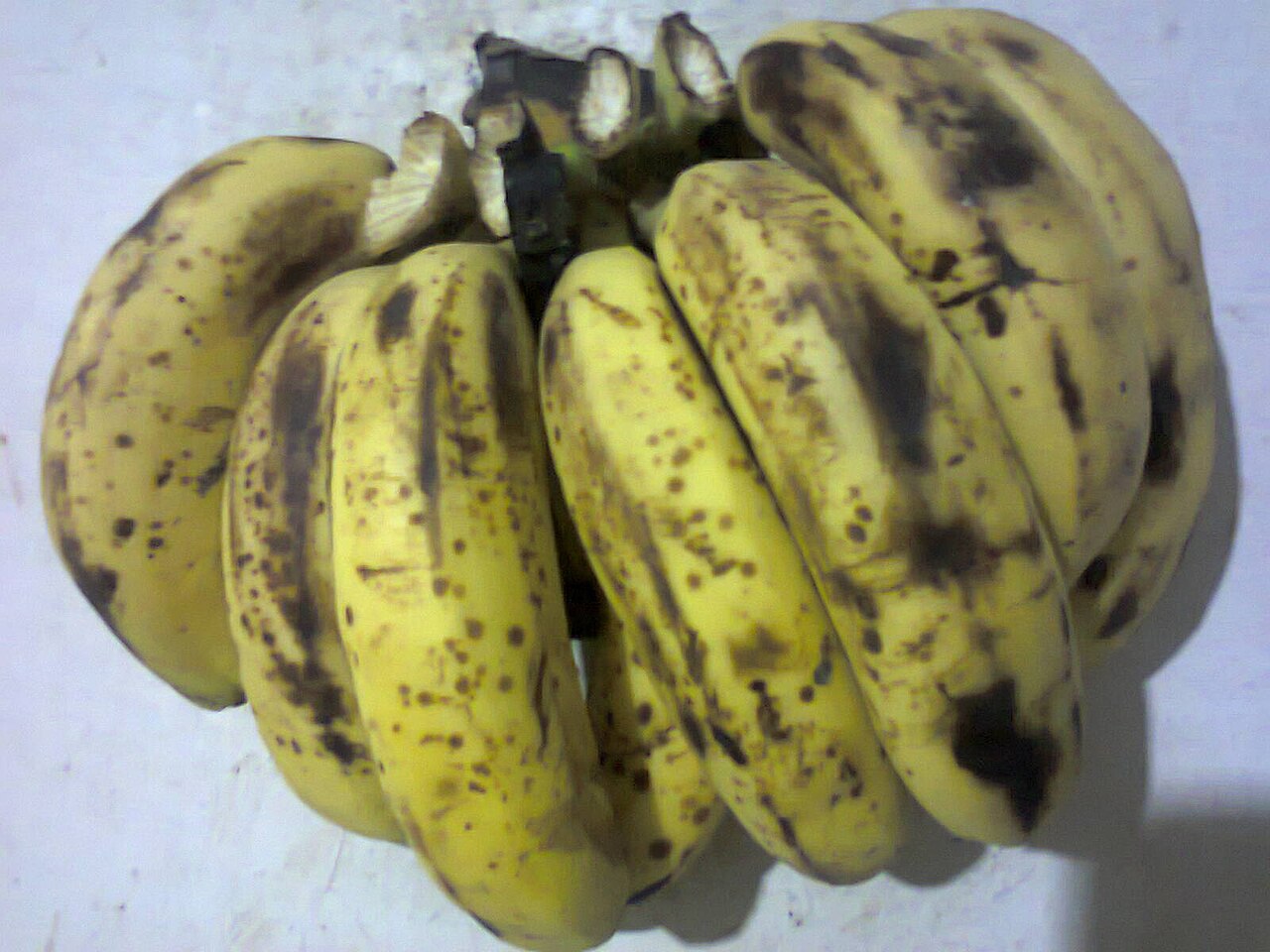
Photo: nlitement / Wikimedia Commons (CC BY-SA 3.0)
Sources: Jagonews24, U.S. Department of Agriculture (FoodData Central), U.S. National Institutes of Health Office of Dietary Supplements, MedlinePlus, World Health Organization, NHS, Harvard T.H. Chan School of Public Health (The Nutrition Source), American Journal of Clinical Nutrition, JAMA Internal Medicine, PLOS Medicine, PLOS ONE, Advances in Nutrition, Nutrients, FAO (FAOSTAT and food-based dietary guidelines), Banglapedia, The Daily Star, Prothom Alo, The Financial Express, Wikipedia


Comments
(0)