
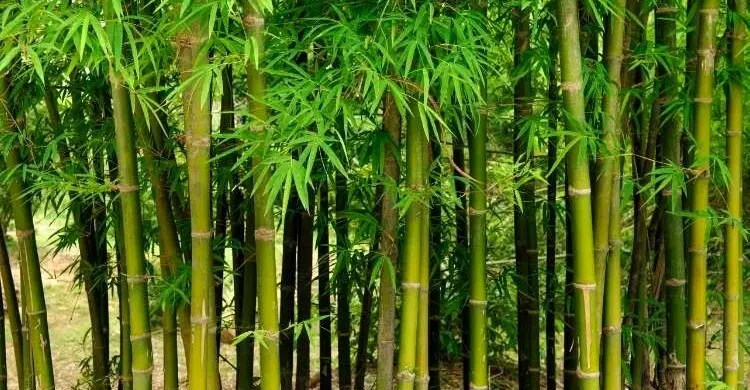
Bamboo is a highly important multi-purpose plant. From keeping the environment in balance to supporting livelihoods and the rural economy, its role is immense. It helps prevent soil erosion and protects the environment by absorbing carbon, while creating income for farmers and craftspeople.
People in many countries have deep cultural and traditional ties to bamboo. It is used in building houses, in musical instruments, crafts and many rituals. Today it is increasingly used in building materials, packaging, furniture, textiles and even eco-friendly fuel.
Uses of bamboo
In Asia, Africa and Latin America, bamboo has been used for thousands of years in house building, crafts, food and medicine, and its many uses are deeply woven into different cultures. Here are seven reasons that show bamboo's special value.
- **Protects the soil:** Bamboo can grow in natural soil without harmful chemicals or pesticides, keeping soil healthy and reducing the risk of soil pollution.
- **Protects seas and water bodies:** A large share of marine pollution comes from land, as rainwater carries pollutants into rivers, canals and the sea. When bamboo is cut, its roots stay in the ground and no replanting is needed. Because it needs no harmful chemicals or herbicides, soil stays healthy and the risk of polluted water and chemicals flowing into water bodies and the sea falls.
- **Keeps the air clean:** Air pollution and carbon dioxide in the atmosphere are rising. Research shows a stand of bamboo can absorb about 45 per cent more carbon dioxide and produce 35 per cent more oxygen than trees growing on the same area of land.
- **Grows naturally:** Fertilisers used on many crops can be harmful to people and pets if ingested. Bamboo generally needs no fertiliser, pesticide or harmful chemicals, so it has less impact on the environment than chemical-dependent crops or materials. It helps retain nitrogen in the soil and adds no extra chemicals to the environment.
- **Regrows by itself:** About 30 per cent of the world's land is still covered by forest, but deforestation and degradation are shrinking it fast. After bamboo is cut, new shoots grow from the roots left in the soil, with no need for new seed or chemicals, only healthy soil, sunlight and water. This keeps the bamboo life cycle going and helps enrich and restore the natural environment.
- **Prevents soil erosion:** When forests of large trees are cleared for farming, rain can wash away fertile topsoil and nutrients. Bamboo's roots remain after harvest, helping new growth and holding the soil firmly, which reduces erosion and retains nutrients. Bamboo can also grow in drought-prone, dry areas, and its roots help the soil hold moisture.
- **Gentle on the skin:** Bed sheets, towels, clothing and other products made from bamboo viscose or lyocell are usually soft and comfortable, and may have some natural resistance to odour and allergies. Because bamboo fabric is smooth and soft, it may help reduce skin discomfort or irritation caused by some other fabrics.
It is also important to be aware of the value of using durable bamboo products. Using eco-friendly bamboo-based products can ensure comfort for the user while also helping to protect the environment.
The Bengali report drew on India Today and Cariloha.com.
Source: Jagonews24. First published in Bengali on The Agro News.
Comments
(0)