
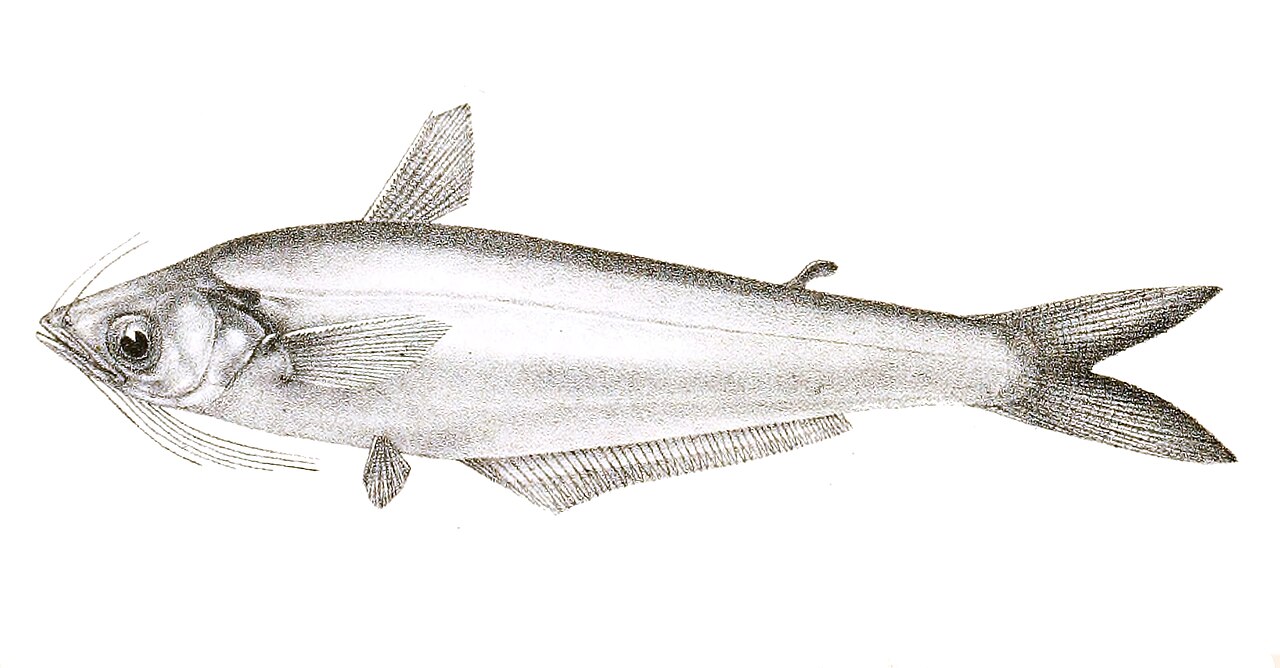
When the fishing boats pull in at dawn at a landing on the banks of the Padma, buyers' eyes go first to one fish: silvery, long and flat-sided, with a few short whiskers at the mouth. It is bacha. Anyone who has eaten it in a light curry, fried, or cooked in mustard paste tends to remember it. Bacha is one of the best known of Bangladesh's tasty and nutritious river fish. It meets part of the country's need for good food, and farming it can also open a new source of income for fish farmers.
The fish is not as plentiful in the rivers as it was. Fishers say far fewer bacha come up in their nets than in the past, and prices are high as a result. This feature looks at what bacha offers the body, why it is declining in the wild, and how it can be raised in a pond.
Getting to know the fish
Bacha's scientific name is Eutropiichthys vacha. It is a catfish of the family Schilbeidae, the same family as the batasi and the shilong. According to BdFISH, the Bangladesh fish information database, it lives in fresh and tidal waters in Bangladesh, India, Pakistan, Myanmar and Thailand. In Bangladesh it is found in the major rivers as well as in the Chalan Beel wetland and the Kaptai reservoir.
Bacha is carnivorous. In the wild it eats insects, small fish and fish larvae. Its body is long and compressed from side to side, and silver in colour. BdFISH notes that it is always sold fresh and enjoys excellent market demand.
Why bacha is declining in the rivers
The Bangladesh Red List of the International Union for Conservation of Nature (IUCN) classed bacha as critically endangered in 2000. The 2015 assessment moved it to least concern. But a study of bacha in the Padma around Rajshahi, published in an international journal, found that the wild population is still falling. The researchers blamed over-fishing, destructive gear such as monofilament current nets, habitat destruction and the change in river flow caused by the Farakka barrage. The same study describes bacha as a highly popular food fish of high commercial value to rural communities.
The fish also needs particular conditions to breed. A paper in a Bangladeshi fisheries journal reports that bacha spawns in May and needs a water temperature of about 24 degrees Celsius and more than 100 millimetres of rainfall to come into breeding condition. When river flows and monsoon patterns change, breeding suffers too.
In recent years the Bangladesh Fisheries Research Institute (BFRI) has developed breeding and farming methods for threatened native species such as batasi, piali and darkina. Within that wider effort to save native fish, raising species like bacha in ponds can ease the pressure on wild stocks while adding to farmers' incomes.
What eating bacha does for you
Bacha contains a range of nutrients that are good for the body. The main benefits are these.
A good source of protein: bacha supplies high-quality protein, which the body uses to build and repair cells and which provides energy. It is particularly valuable for growing children and for older people who need to keep their muscle. Fish protein is also comparatively light to digest.
Good for the heart: bacha contains omega-3 fatty acids, a beneficial kind of fat that helps lower the risk of heart disease and helps keep blood pressure in check. It is one reason nutritionists advise eating fish instead of red meat on several days a week.
Skin and hair: bacha is rich in vitamins and minerals that help keep skin healthy and hair strong.
Bones and teeth: with plenty of calcium and phosphorus, bacha helps build strong bones and protects the teeth.
Immunity: bacha provides vitamin D and antioxidants, which help strengthen the body's defences against disease.
Fish is the largest source of animal protein in the Bangladeshi diet. For families who cannot regularly afford meat, native fish are the main source of good nutrition. If tasty native species like bacha can be farmed and brought to market in larger quantities, that nutrition will reach more people.
Where farming fits in the national catch
To judge the potential of bacha farming it helps to look at the bigger picture. According to the Department of Fisheries' Yearbook of Fisheries Statistics 2023-24, about 59 per cent of the country's total fish production that year came from ponds and other closed waters, and a little over 28 per cent from open waters such as rivers, beels and haors. In other words, most of the fish on Bangladeshi plates is now farmed.
Fish is also the backbone of the national diet. WorldFish, the international fisheries research organisation, estimates that fish provides about 60 per cent of the animal protein Bangladeshis eat. Yet farmed fish has until now meant mainly a handful of species: rui, catla, pangas and tilapia. The prized native river fish are becoming scarcer in the markets and dearer. That gap is precisely what creates an opening for farming native species like bacha. Buyers want the taste even at a higher price, and for the farmer that means a chance of extra income.
The right season
Summer and the monsoon are the best seasons for farming bacha. The water is warm and natural food is abundant. When the water is between 25 and 30 degrees Celsius the fish grow fast. In winter, cold water slows feeding and growth, so it makes sense to time stocking so that most of the growing period falls in the warm months.
The pond
A medium pond of 30 to 50 decimals is ideal. It needs plenty of sun and some flow or exchange of water. As a river fish, bacha prefers clean, well-oxygenated water. Overhanging trees on the bank should be trimmed so that light reaches the water for most of the day. Sunlight grows natural food in the pond and raises oxygen levels.
The pond should be somewhere that monsoon floods do not reach, with high, firm banks. If the banks go under, fish escape and predatory fish get in.
Water quality: three numbers to remember
If the water is wrong, good fingerlings and good feed will not help. Three measurements matter most for bacha:
- pH: 6.5 to 8.
- Dissolved oxygen: 5 to 7 milligrams per litre, or 5 to 7 ppm.
- Ammonia: below 0.2 ppm.
pH shows how acidic or alkaline the water is. Seven is neutral; below that the water is acidic, above it alkaline. Dissolved oxygen is the oxygen mixed into the water that fish take in through their gills. Oxygen in a pond is lowest around dawn, so fish gulping at the surface early in the morning are a sign of shortage. Ammonia comes from fish waste and rotting feed; as it builds up it damages the gills and weakens the fish.
Inexpensive water-testing kits for all three are now sold in the market, and the upazila fisheries office can advise on testing.
Preparing the pond
The pond has to be prepared properly before any fish go in. First, clear out weeds, aquatic grasses and harmful insects. In an old pond it helps to remove excess silt from the bottom, because the rotting organic matter in it produces harmful gases. Predatory and unwanted fish should be removed.
Next, apply lime at 1 kilogram per decimal. Lime reduces acidity, keeps the pH steady and cuts down disease-causing organisms. A few days after liming, organic manure is added. Manure helps grow natural food in the water, the tiny plants and animals that are barely visible to the naked eye and that make up the fingerlings' first meals.
Buying and stocking fingerlings
Good fingerlings are the first condition of a good harvest. Buy high-quality bacha fingerlings from a reliable hatchery, 2 to 3 inches long. Healthy fingerlings are lively and brightly coloured, with no sores on the body. Bacha fingerlings are not equally available everywhere, so it is worth asking the upazila fisheries officer in advance where good stock can be found.
Stock 400 to 500 fingerlings per decimal. That is a fairly dense stocking, so water quality and regular feeding need extra attention. Check the water before the fingerlings go in.
There is a right way to release them too. Float the container or plastic bag of fingerlings on the pond for a while so that the water inside and outside reaches the same temperature. Then let pond water into the bag gradually and allow the fish to swim out on their own. Morning or late afternoon, when it is cool, is the best time. At midday the surface water is hot, and releasing fingerlings then stresses them badly. A sudden change of temperature can kill fingerlings.
Transport needs care as well. Fingerlings from a distant hatchery travel most safely in plastic bags filled with oxygen. A bag left in the sun heats up and the fish die, so bags should be kept in the shade, and where possible the journey made at dawn or at night. For the first few days after stocking, walk the banks to see whether any fingerlings are floating dead. Heavy losses point to a problem with the water or with the stock.
Feeding
For the first 15 days after stocking, fingerlings are given microfeed, a very fine feed sized for their small mouths. As they grow, a supplementary feed is added to the pond's natural food. Broken rice, fish oil and mustard oil cake can all be used.
Feed at fixed times each day and in the same few spots in the pond. The fish get used to it and less feed is wasted. Adjust the amount according to how much they eat. Excess feed rots on the bottom, raises ammonia and spoils the water. On cloudy days, or when the water looks poor, it is safer to feed less. With less sunlight the pond produces less oxygen, and extra feed rotting on the bottom can push oxygen lower still. Oil cake can be soaked until soft, mixed with the other ingredients and rolled into small balls, so that the feed does not dissolve and go to waste too quickly.
Because bacha eats insects and small fish in the wild, protein-rich feed matters for its growth. Farmers who want to use commercial fish feed should check the protein content on the bag and ask a fisheries officer for advice.
Preventing disease
Preventing disease costs far less than curing it once fish fall sick. A few rules help:
- Apply potassium permanganate or lime to the pond at regular intervals.
- Replace part of the pond water every 15 to 20 days.
- Seek expert advice promptly at any sign of unusual behaviour or disease.
Unusual behaviour means fish eating less, hanging at the surface, crowding near the bank, showing red spots or sores, or a few fish suddenly dying and floating up. In that case do not dose the pond on your own; contact the upazila fisheries office. The wrong medicine, or the right one at the wrong dose, can make matters worse.
The risk of disease rises as winter begins. That is the time for extra care with liming, feeding and water quality.
The farm notebook: a small habit that pays
Successful fish farmers share one plain habit: they write things down. How many fingerlings went in and when, how much feed was given each day, when lime or potassium permanganate was applied, when water was changed, what the pH and oxygen readings were, how many fish died on which day. Kept in one dated notebook, those notes answer many questions later.
Netting and weighing a few fish once a month shows whether they are growing as they should. If growth is slow, the farmer can change the amount or quality of feed. When problems arise, the notebook helps a fisheries officer find the cause quickly. And at the end of the season it is the notebook that shows what the real profit was.
Harvest and sale
Bacha begins to reach a harvestable size four to five months after stocking. Because bigger fish fetch more, many farmers keep them for six to eight months. Rather than netting the whole pond at once, taking the larger fish first leaves the smaller ones room to grow and lets the farmer sell in stages.
Demand for bacha is high, so it can be sold at a profit. It is normally sold fresh, so after harvest it should be iced and sent to market as quickly as possible. Fish netted at dawn and sold in the morning market usually fetch the best price. Selling to larger town markets or directly to buyers, as well as to the local wholesaler, can raise the return further.
How to tell fresh bacha at the market
Buyers need to know a few things too. Because bacha is sold fresh, recognising a fresh fish matters. A fresh fish has bright, clear eyes, not cloudy or sunken ones. Lift the gill cover and the gills should be red. Press the flesh with a finger and it should feel firm and spring back. A strong unpleasant smell or a soft body is a reason not to buy. When farmers ice fish caught at dawn and get them to market quickly, buyers' trust grows and so does the price.
The profit calculation
The returns from bacha farming compare well with the costs. One commonly quoted estimate is that an outlay of Tk 50,000 per decimal can bring in around Tk 80,000 to Tk 1,00,000. There is demand at home and also among Bangladeshis abroad, who look for native fish.
Those figures will not hold on every farm, though. Profit depends on how many fingerlings survive, how big the fish grow, the cost of feed and the market price at the time of sale. A first-time farmer does well to start small, write down every cost, and plan with an experienced farmer or fisheries officer. One season's experience will show where costs can be cut and where extra care is needed next time.
Mixed farming is another option. Many farmers raise several species in one pond, using different layers of the water. Because bacha is carnivorous, it may eat small fish or the fingerlings of other species kept with it, so anyone planning a mixed pond should find out from a fisheries expert which species are safe to keep alongside it.
Farmed bacha, and protecting the wild fish
Bacha farming is a profitable and healthy enterprise. It helps meet nutritional needs and can contribute to the rural economy. With careful planning and management, it can bring in a good income. Vegetables or fruit trees on the banks, and old pond silt spread on the fields as manure, can add extra income from the same patch of land. For young people or women in the village, bacha in a small pond can be a first step towards standing on their own feet.
It also has an important indirect benefit. If part of the market's demand can be met from ponds, pressure on wild river stocks will ease. Alongside banning current nets, controlling fishing in the breeding season and protecting river habitat, pond farming can be one more way of saving a native fish.
For anyone who wants to start farming bacha, the first stop can be the upazila fisheries office, which can advise on sources of fingerlings, pond preparation and training. The fish that draws crowds of buyers at the Padma landing can flash silver in a village pond too, as long as the farming begins with knowledge.
Photo: Bacha (Eutropiichthys vacha), from Francis Day's plates, Francis Day and Suzini / Wikimedia Commons (Public domain)
Comments
(0)