
Record export volumes and heavier carcases are masking a fall in retail meat yield in Australian beef, according to University of New England professor Peter McGilchrist, one of the country's leading meat scientists. Over the past 20 years, he told Beef Central's Eric Barker, a smaller share of each carcase has been sold as red meat or wholesale primals, even as more of the carcase is sold overall.
"During those 20 years, we have started selling a heap more bones, a heap more body fat and just a higher portion of the carcase goes into a box," he said. Much of that bone and fat would have gone to rendering a decade ago. The industry, he said, has focused almost entirely on eating quality and taken its eye off yield.
He gave the Angus breed, about 53% of the herd, as an example: its retail beef yield breeding values have fallen by half a percent, which he estimates means about 7,000 tonnes of beef not sold. Yield also matters on the farm, he said: higher-yielding animals lay down more muscle, which is more energy efficient than fat, so they convert feed better, dress out at a higher percentage and need less trimming in the boning room.
McGilchrist said measuring yield, with or without a payment incentive, would make a big difference, letting processors tell whether a low-yield day came from the cattle or the boning room. Technologies being assessed against computed tomography (CT), the accuracy benchmark, include dual-energy X-ray absorptiometry (DEXA), surface imaging cameras and a hand-held microwave device.
He does not think a payment system is needed: processors and producers would quickly select for higher-yielding animals once yield is measured, as they did for eating quality under the MSA index. Yield already carries about 22-25% of the weight in most breed selection indexes, yet it has gone backwards, he said, because producers sensibly chase what pays: live calves, fast growth and marbling. Only a small share of animals in BreedPlan have been measured for yield, and he argues that genetics can lift it a couple of percent without hurting eating quality. Meat & Livestock Australia's managing director Michael Crowley has made value-based marketing central to his leadership.
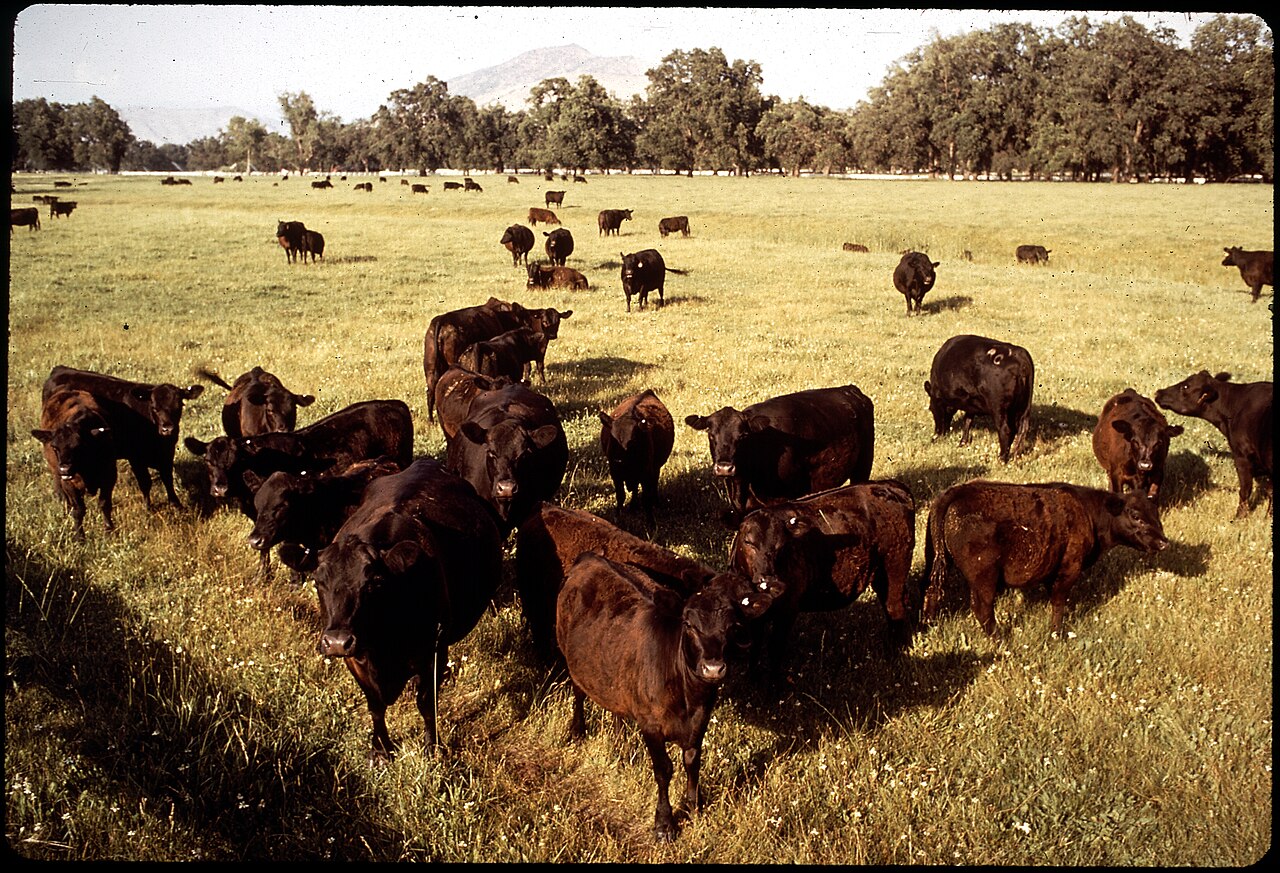
Photo: Gene Daniels / Wikimedia Commons (public domain)
Source: Beef Central
Comments
(0)