
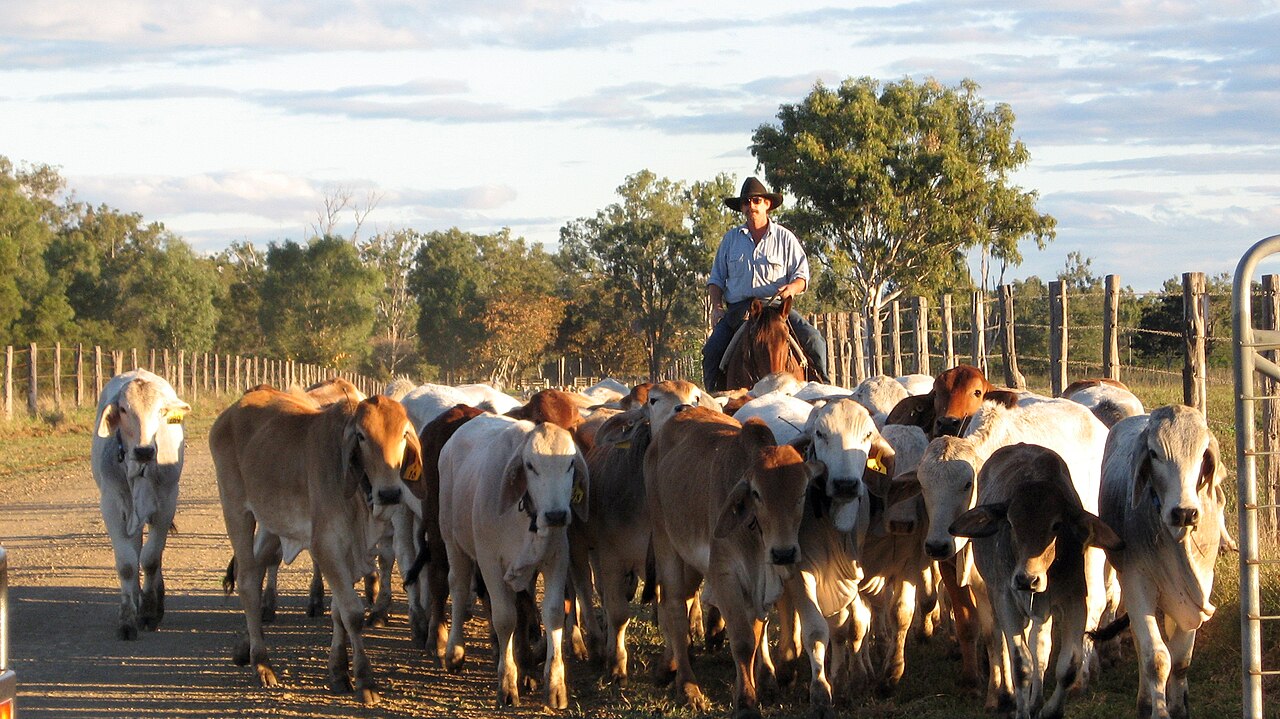
Australian agriculture is ageing faster than it is recruiting, agribusiness lawyer Trent Thorne of Hamilton Locke argues in a column for Beef Central. The views are the writer's own.
He cites figures showing that close to 30 percent of the farm workforce is now 60 or over, that the average sheep farmer is about 62 and the average beef farmer closer to 64, and that the average Australian farmer, at 59, is roughly twenty years older than the average worker elsewhere. Around half of the country's farmers are expected to retire within the next fifteen years, which he calls "a queue forming at the exit" with too few people at the entrance.
Young people aged fifteen to thirty-four make up about a quarter of the agricultural workforce, he writes, against roughly a third across the wider economy, and poultry and horticulture attract more of them than broadacre and livestock farming.
Thorne gives several reasons. Ownership and leadership still pass mostly through families, and succession is often an informal understanding rather than a plan. Isolation, including distance from services, poor mobile coverage and gaps in rural mental health support, hurts recruitment more than any input cost. Add the capital needed to buy in, the physical toll of the work and a perception that farming offers little career progression, and the pipeline runs thin.
He points to progress: the National Farmers' Federation's AgCAREERSTART programme, a paid on-farm placement for 18 to 25 year olds, has placed more than two hundred people since 2022, many from cities with no link to the land, and commodity groups run their own future-leader schemes.
But in his view such programmes treat the symptom. Industry bodies, family enterprises and corporate operators, he argues, need to formalise succession and leadership pathways well before retirement, invest in rural connectivity and mental health services, and present agriculture honestly as a career with real prospects rather than a lifestyle for the already committed.
Photo: CSIRO / Wikimedia Commons (CC BY 3.0)
Source: Beef Central

Comments
(0)