
Iceland-based Atmonia has spent a decade developing patented catalysts that make ammonia, the base of nitrogen fertilizer, from nitrogen and water in a single electrochemical step, and is now working to cut the process's energy demand and scale it up, its cofounder and chief executive Helga Dögg Flosadóttir told AgFunderNews.
Most ammonia is made by the Haber-Bosch process, which is carbon-intensive and usually needs large industrial plants. Atmonia's cell works at ambient temperature and pressure and does not need hydrogen to be produced and stored first. It uses a commercially available anion exchange membrane (AEM) electrolyzer that the company has adapted: nitrogen gas is fed in a gas stream directly to the catalyst on a gas diffusion electrode.
The catalysts were designed with density functional theory, or quantum chemical simulations, to find reaction sites that attract nitrogen rather than water or hydrogen. Flosadóttir said this matters because most catalysts favour hydrogen production over nitrogen reduction. The catalysts are made of abundant raw materials.
The company works today with a 10 square centimetre electrode and plans to move to 400 square centimetres, then stack cells into an electrolyzer stack with manufacturers that already build AEM electrolyzers at scale. Its goal is a 40-foot containerized system producing about 150 tons of ammonia a year, which Flosadóttir said should be economic even at current electricity prices. The company expects to reach its energy-demand milestone before the end of next year.
Atmonia plans to be a catalyst and electrode producer and to partner with hardware makers closer to end markets, leasing units to farmers so they avoid the capital cost. Flosadóttir said Iceland's own market would be saturated with 80 containers, so the company intends to go global. It is aiming at the small-scale market, bringing nitrogen fertilizer production to the farm, where she said energy demand, flexibility and size are its advantages.
Grants from Icelandic research bodies, the European Innovation Council and Horizon Europe have funded most of its work. Icelandic venture capitalists and Canadian agriculture angel investors have also joined, and the company has just started a seed round that it says should take it to technology readiness level 6, a prototype working on a farm. Flosadóttir spoke to AgFunderNews at the World Agri-Tech innovation summit in London.
Interview by Elaine Watson for AgFunderNews.
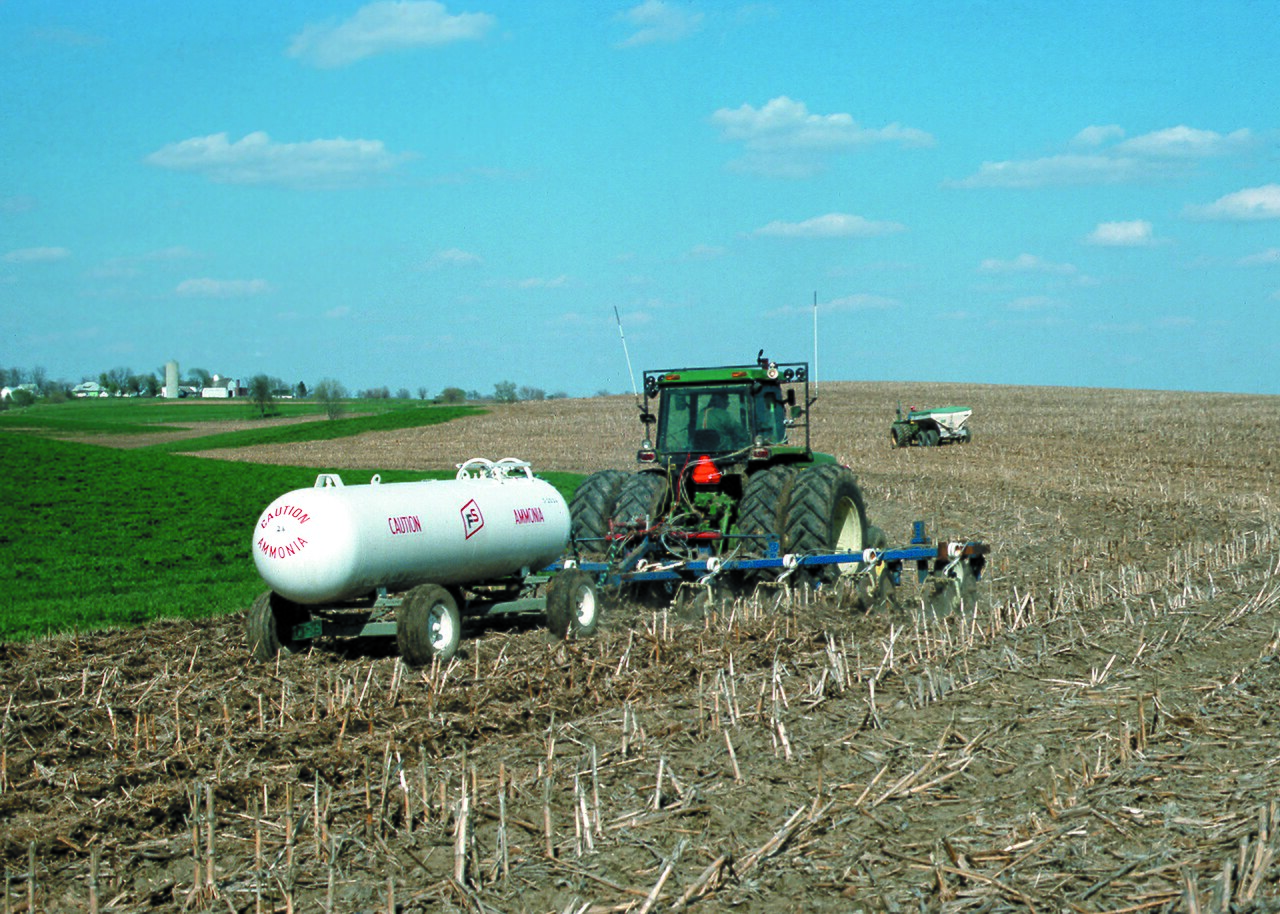
Photo: Lynn Betts, USDA Natural Resources Conservation Service / Wikimedia Commons (Public domain)
Source: AgFunderNews
Comments
(0)