
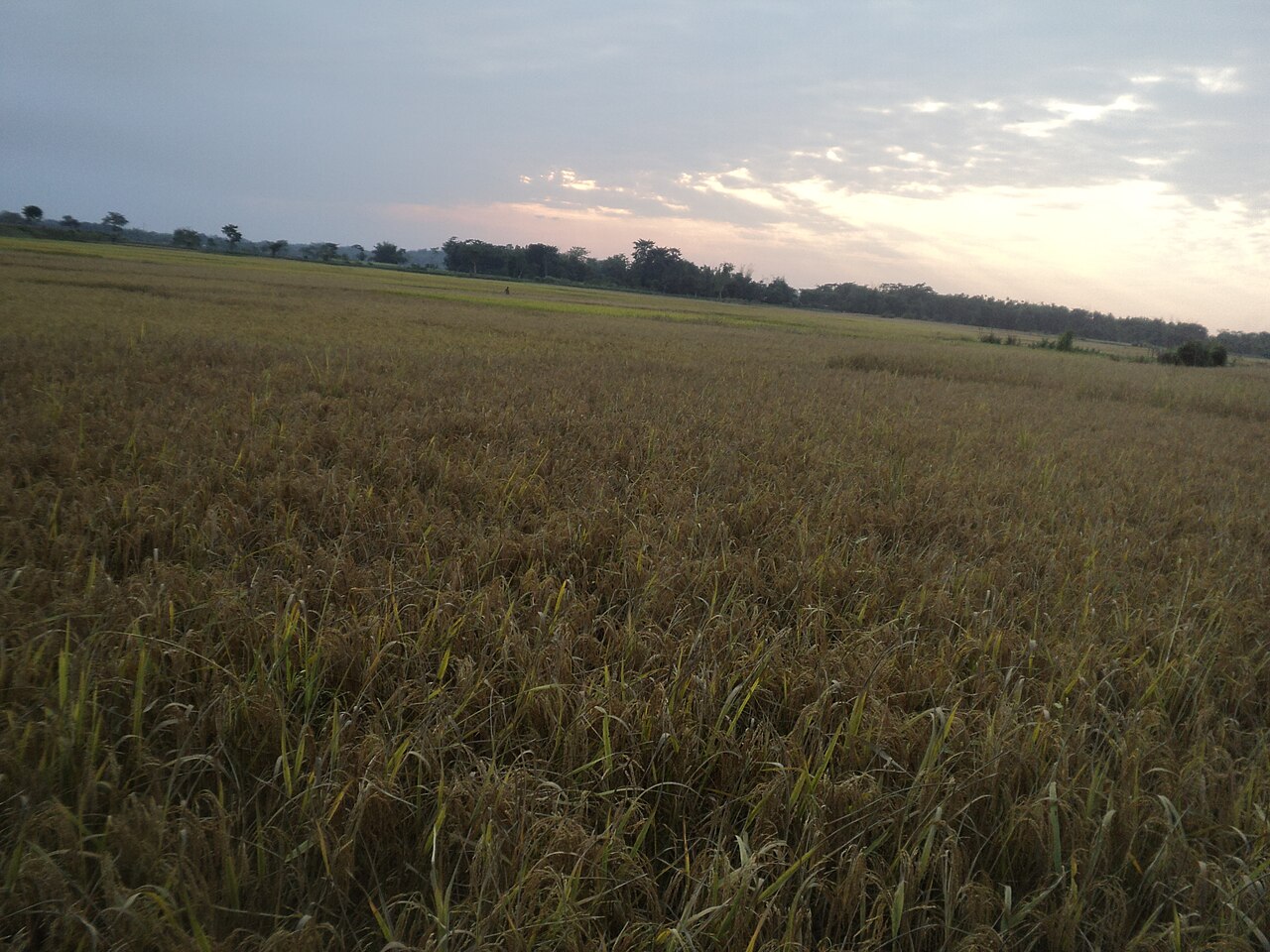
The Government of Assam and the International Food Policy Research Institute (IFPRI) have signed a memorandum of understanding on agricultural transformation, climate resilience and rural livelihoods in the north-eastern Indian state. The signing was attended by Pijush Hazarika, Assam's Minister of Agriculture, Irrigation and Parliamentary Affairs, and Chief Secretary Dr Ravi Kota.
Hazarika said paddy will remain important but is not necessarily the most lucrative crop for Assam's farmers. "We need to look at diversification, and horticulture is now a key focus area for the Government of Assam," he said, adding that research, technology and sound policy design would be needed to unlock horticulture and other sectors.
Under the MoU the two sides will work on research, evidence generation, capacity building, policy engagement and advisory support. Areas named include climate-resilient farming and flood adaptation, diversification of rice-based systems, and the tea, horticulture, livestock and fisheries sectors, with particular attention to smallholder tea growers and to fisheries and wetland livelihoods in floodplains. The framework also covers assessments of farm programmes, flood-impact analysis and high-value value chains.
The collaboration will explore household-level data systems and longitudinal surveys on farm incomes, risks and nutrition, stronger Farmer Producer Organisations and market systems, and training for state institutions in data analytics, policy modelling and impact evaluation. Kota said new recruitment brings younger professionals into government and an opportunity to rebuild institutional systems, with a growing pipeline of projects across the Northeast over the next five years.
Dr Avinash Kishore, IFPRI's acting director for South Asia, said stronger evidence and analysis can help Assam shape policies and investments around farmers' needs. Joint fundraising and project proposals are planned, with specific initiatives to follow under separate agreements.
Photo: Deeporaj / Wikimedia Commons (CC BY-SA 3.0)
Source: Global Agriculture

Comments
(0)