

Sugarbeet root aphid populations have risen sharply across Michigan's sugarbeet-growing region in recent years, Farms.com reports. The pests feed on the plants' secondary roots, reducing their uptake of water and nutrients, which can lower yields, sugar content and recoverable sugar and hurt storage quality.
The aphids multiply fast: all are female and give birth to live young without mating, so several generations can develop in one season. A severe infestation shows as circular patches of wilted canopy; the roots of affected plants carry yellow-green aphids and white waxy material. The insects overwinter on beets left in the ground and on amaranth-family weeds such as common lambsquarters and redroot pigweed, so good weed control across the rotation reduces their survival.
Resistant varieties remain the main defence, and breeding programmes evaluate them regularly. In severe outbreaks growers may use the systemic insecticide spirotetramat. In 2026 Michigan State University ran replicated field trials comparing standard seed treatments with later spirotetramat applications, measuring effects on yield and sugar content and the value of rescue treatments. Natural enemies, including larvae of the fly Thaumatomyia glabra and soil fungi that infect the aphids, help but often cannot hold populations down in a major outbreak.
The unusually high infestations of 2025 and 2026 have worried researchers and the industry. Long hot, dry spells in July and August may have helped populations grow, along with possible changes in weed hosts or in how well resistant varieties work. Seed companies, Michigan Sugar Company, MSU Extension and the USDA in East Lansing are monitoring and running trials to find the causes and better controls.
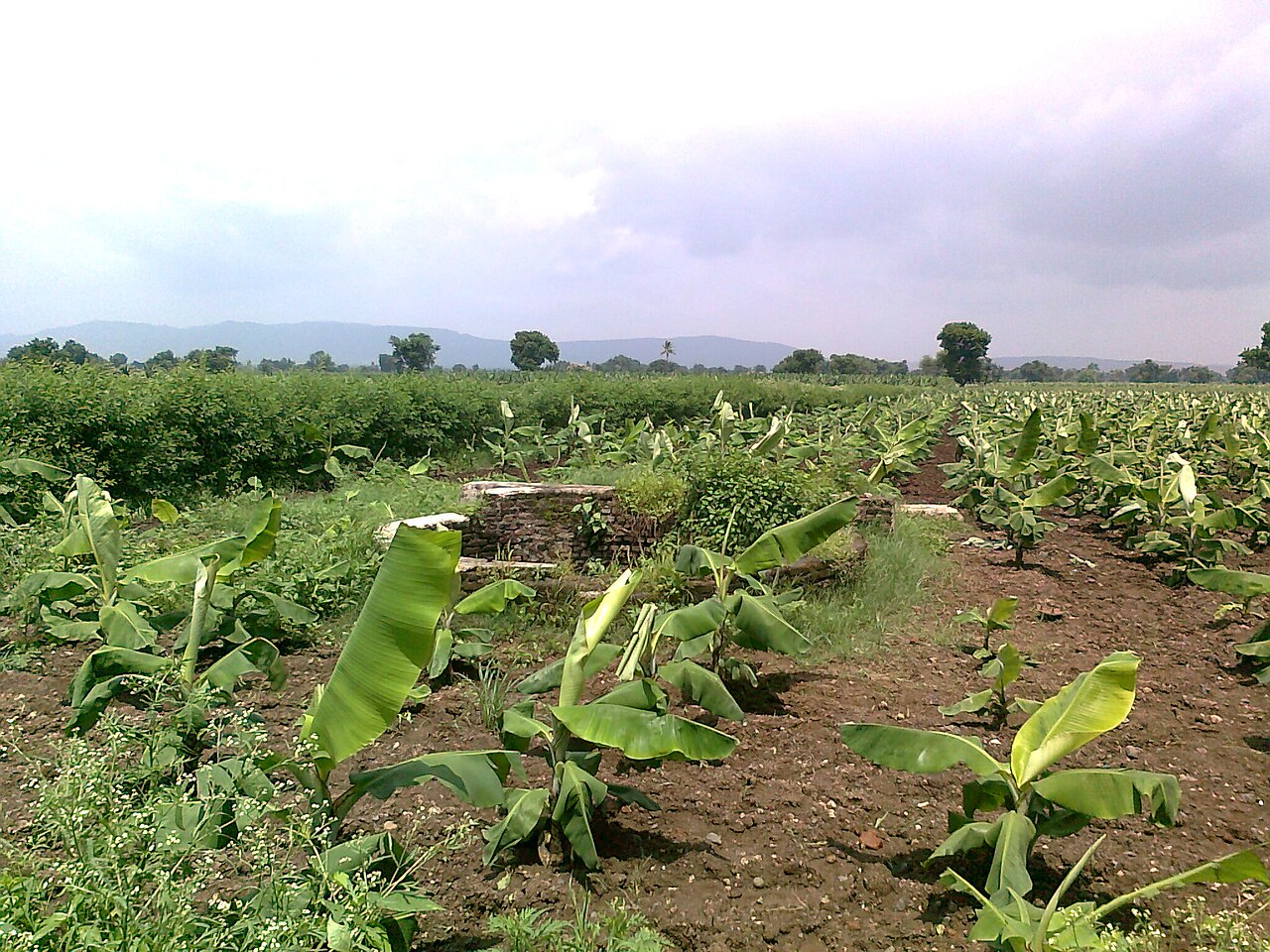
Photo: Boris23 / Wikimedia Commons (public domain)
Source: Farms.com


Comments
(0)