
Unauthorised herbicide-tolerant Bt (HTBt) cotton was grown on 65-72 lakh acres in India in Kharif 2025-26, 24-30% of the country's cotton area, sustaining an informal seed market worth an estimated Rs 1,500 crore, according to a field study reported by AgroSpectrum. Laboratory tests found that 98.2% of field samples carried at least one genetically modified trait, and 41.9% were "quadruple stacks" with four transgenes, including Vip3A, an insect-resistance gene never approved in India.
The study, Unauthorised Cultivation of HTBt Cotton in India: Extent, Drivers & Implications, was carried out by the South Asia Biotechnology Centre (SABC) with support from the Federation of Seed Industry of India (FSII) and the National Seed Association of India. It covered 16 districts in Maharashtra, Telangana, Andhra Pradesh and Rajasthan, combining farmer surveys, supply-chain checks and ELISA gene tests.
Labour shortages are driving the shift: weed control with glyphosate costs Rs 750-850 an acre against Rs 12,000-15,000 for hand weeding. Glyphosate use rose 26% in a year, from 27,721 kilolitres in 2024-25 to 35,642 kilolitres in 2025-26, much of it sold through underground networks, while sales of legal Bollgard-II seed fell 22.3% between 2022 and 2026.
Maharashtra is the centre, with 58% adoption and 76% in Yavatmal; Telangana (66%) and Andhra Pradesh (49%) are catching up, reaching 82% in Mahabubabad and 75% in Kurnool. Rajasthan shows little HTBt use but rising demand for illegal BG-III seed against pink bollworm. Because the seed sits outside the Seeds Act and the Seed Control Order, farmers have no quality assurance and no recourse when it fails.
"Unchecked use of unapproved genes and unmonitored glyphosate spraying could breed resistant pests and weeds that devastate cotton productivity," said Dr C.D. Mayee, president of SABC. FSII chairman Ajai Rana, whose industry body supported the study, said farmers are paying a black-market premium because regulators have not approved the technology, and called for approval of herbicide-tolerant and pink bollworm traits so India can regain self-sufficiency in cotton. The study calls for a time-bound policy overhaul.
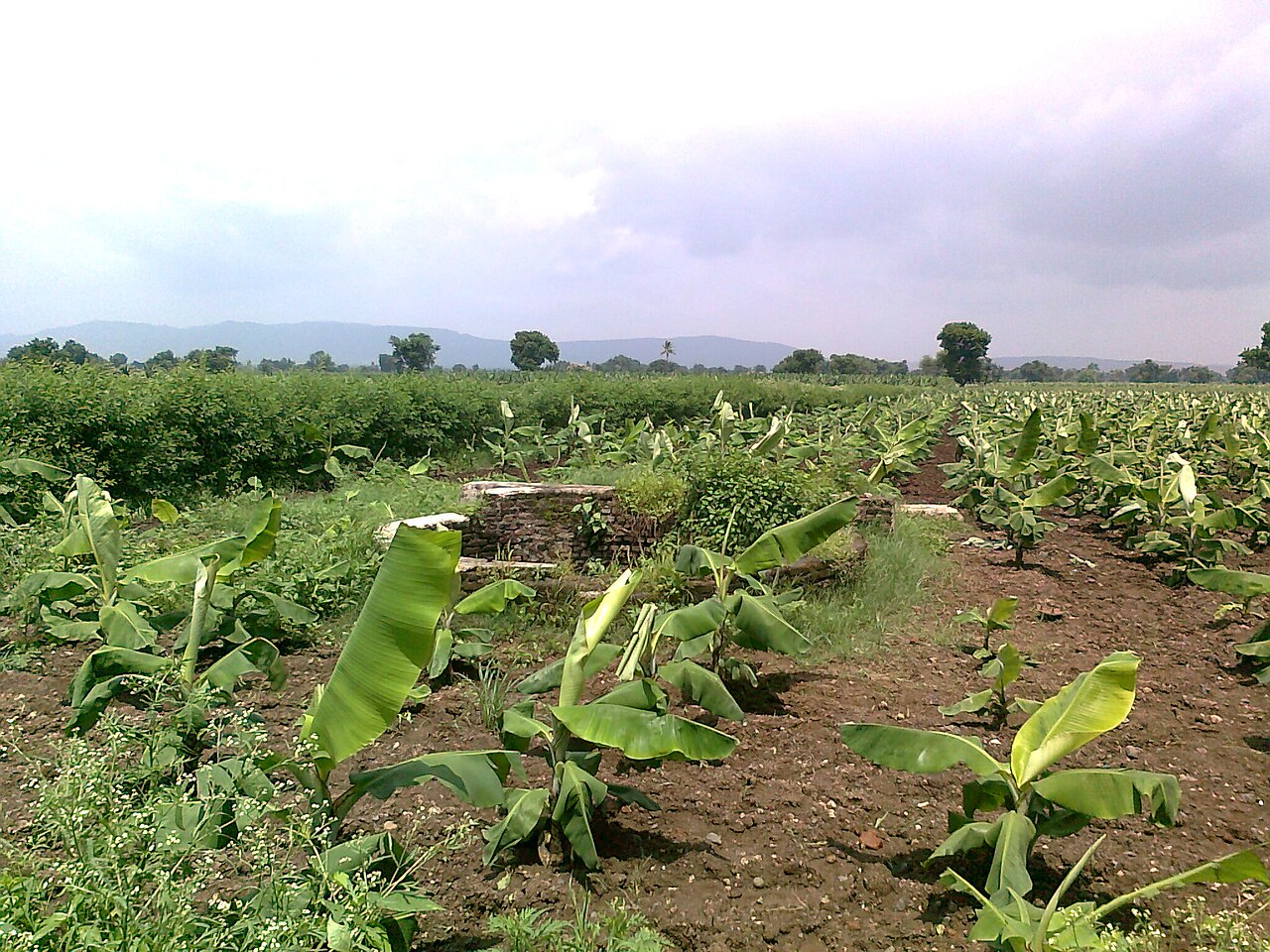
Photo: ABHIJEET / Wikimedia Commons (CC BY-SA 3.0)
Source: AgroSpectrum

Comments
(0)