
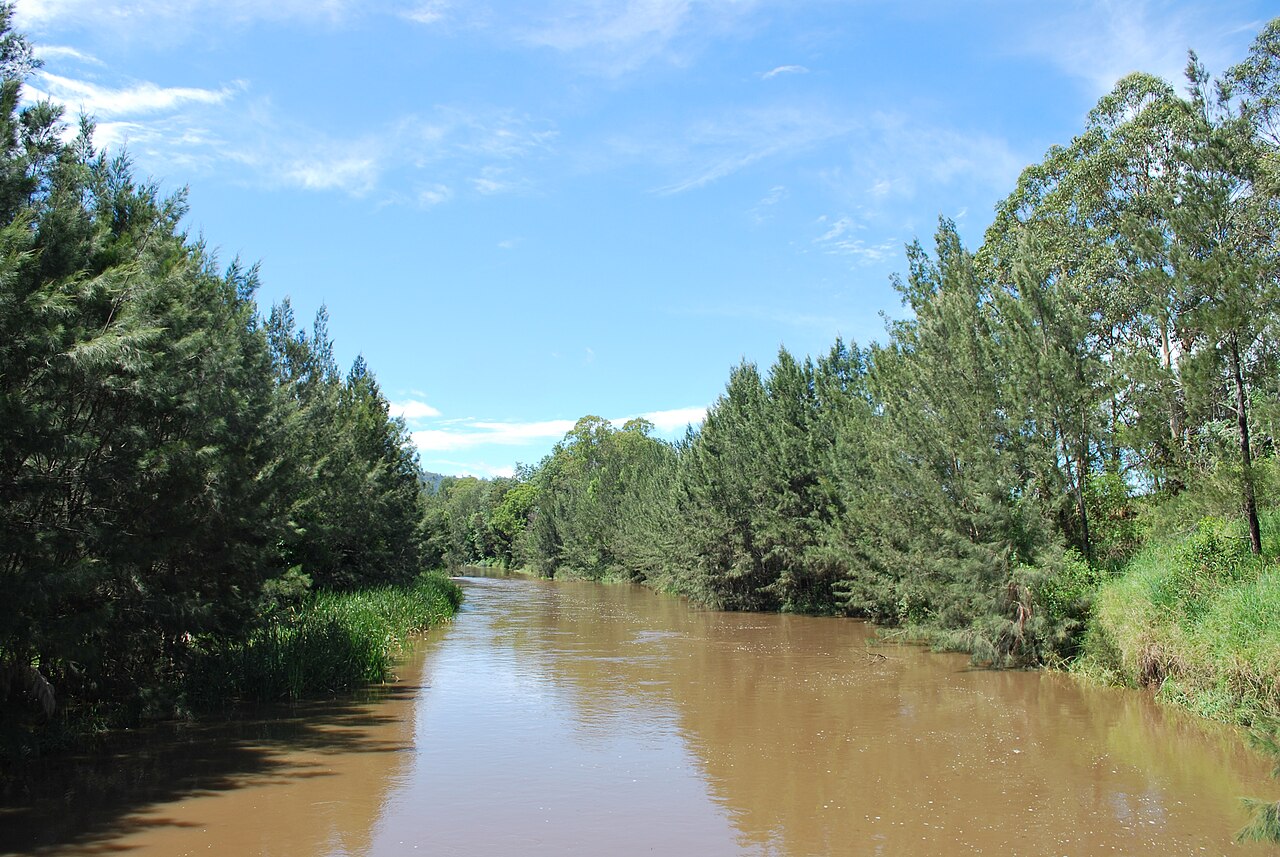
In the monsoon the land used to be under brimming water, and in the dry season the whole area bustled with brick kiln workers. This year that picture on both sides of the Turag river at Ashulia, near the capital, has changed somewhat. Unused land around closed brick kilns is now green, as local farmers have planted bottle gourd, flat beans, tomatoes, cauliflower and cabbage and many other vegetables.
Paragram in Ashulia, 15 kilometres from Savar beside the Turag, is a densely populated area. Several brick kilns had been built on cropland on the riverbank nearby. Farmers once grew all kinds of crops on that land, but the kilns put an end to it. Since the Department of Environment stepped up its drive against brick kilns last year, however, farmers in the area have seen new hope.
Farmers back on the land
Mojibor Rahman, a farmer of Paragram, has no land of his own but once supported his family by farming land he took on mortgage from others. When the brick kilns took over the farmland, he changed profession. But with several kilns closing over the past year, he has returned to farming. This season he has taken five bighas of unused land around the kilns on mortgage and planted bottle gourd, flat beans, tomatoes and other vegetables.
Mojibor Rahman said he took the five bighas for one year for Tk 30,000, and spent about Tk 60,000 more on fertiliser, pesticide, seed and labour. He has already earned Tk 80,000 by selling sponge gourd from two bighas, and hopes to get about Tk 2 lakh more from bottle gourd, beans and tomatoes.
Aminul Islam was harvesting cauliflower from his field. He has grown cauliflower on 28 decimals beside a closed brick kiln at a cost of Tk 15,000. So far he has sold Tk 50,000 worth, and another Tk 12,000-15,000 worth remains in the field. He has already begun sowing sponge gourd seed on the land. He said farming had stopped in their area because of the brick kilns, and if the kilns close, local farmers will turn to farming again.
Ruhul Mondal, member for ward 8 of the local Ashulia union parishad (UP) and a resident of Paragram, said paddy, jute, wheat, mustard and many vegetables were once grown in the area, and farming was the main source of income for most people. But when one brick kiln after another was built 20 years ago, all the land fell uncultivated. Now that the government has moved to close the kilns, farming is possible again, and many people have started growing vegetables around closed kilns.
Officials promise support
Shariful Islam, assistant director of the Department of Environment's Dhaka district office, said all illegal brick kilns around the capital will be removed in line with court directives. Several kilns around the capital, including in Ashulia, have already been shut. Once the kilns close, farmers will be able to use the land for farming again, he said.
Naziat Ahmed, Savar upazila agriculture officer, said brick kilns had reduced farm production in Savar, and farmland will increase if they close. Farmers will be encouraged to cultivate land used by the kilns and, if needed, will be given free fertiliser and seed. Winter vegetables have already been grown around several closed kilns in Ashulia, and farmers are being helped with advice, which is increasing their interest, he said.
Source: Prothom Alo. First published in Bengali on The Agro News.
Comments
(0)