
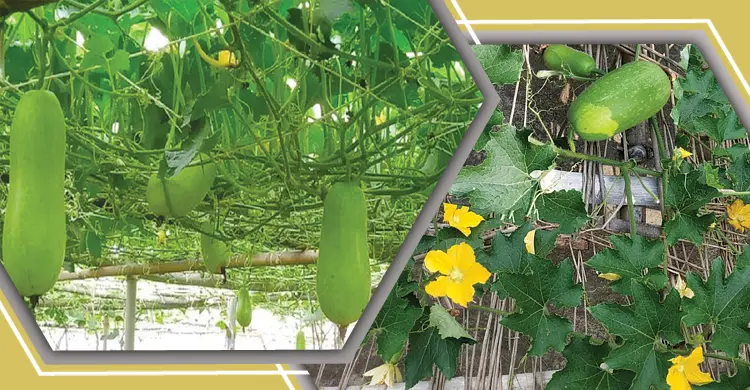
Ash gourd is a popular and easily available vegetable in our country. It is known as chalkumra because in villages the vine is trained onto the roofs (chal) of houses.
It yields more, however, when grown on trellises in the field. Young ash gourd is called jali. It is cooked as a vegetable, while mature ash gourd is used to make morabba and halwa.
There is no approved variety of kumra in the country. However, BARI Chalkumra-1, developed by BARI, can be grown in all regions of Bangladesh. There are also the hybrids Sufala-1, Basanti-Nirala, Bijoy (Ufshi-Bijoy), Sonali F-1, Madhabi, Unique and Superstar.
Soil, timing and land preparation
Soil must be chosen before growing ash gourd. It is grown in loam soil, but with proper management it can be grown in any soil except clay.
Ash gourd is now grown all year round in the country, though February to May is the best time. It is now also being grown on rooftops.
The land should be ploughed well and levelled with a ladder to break up clods. Beds should be 15 to 20 cm high and 2.5 metres wide, with length as convenient.
Beds are made one after another in this way, with a 60 cm wide irrigation and drainage channel between each pair of beds. In a home garden, after sowing in the pit, the vines are trained onto a trellis, the roof of a house or a tree.
Fertiliser and sowing
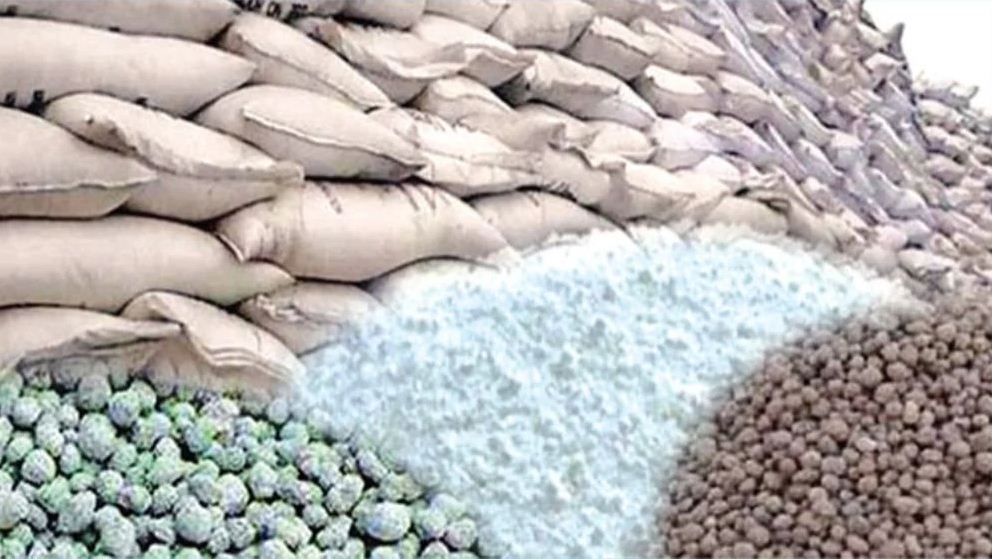
Each pit should be given 10 kg of cow dung, 200 g of TSP and 50 g of MoP.
Four to five seeds should be sown in a row in each pit. They germinate within five to seven days. A few days after germination, two or three strong plants should be kept in each pit.
Care, pests and diseases
Irrigate when the pits dry out, and drain away rainwater if it collects. Give the plants a trellis to grow on, keep the pits free of weeds and earth up soil around the base of the plants.
Fruit flies, red pumpkin beetles, epilachna beetles, red mites and other pests damage the fruit. They can be controlled with insecticide. Diseases such as powdery mildew, which leaves white powder on the upper leaf surface, and downy mildew, which leaves a greyish purple colour under the leaves, damage the leaves and weaken the plant. Fungicide or Bordeaux mixture gives relief from these diseases. Grown by the rules, ash gourd gives a good yield on rooftops, house roofs or in the field.
Source: Jagonews24. First published in Bengali on The Agro News.


Comments
(0)