
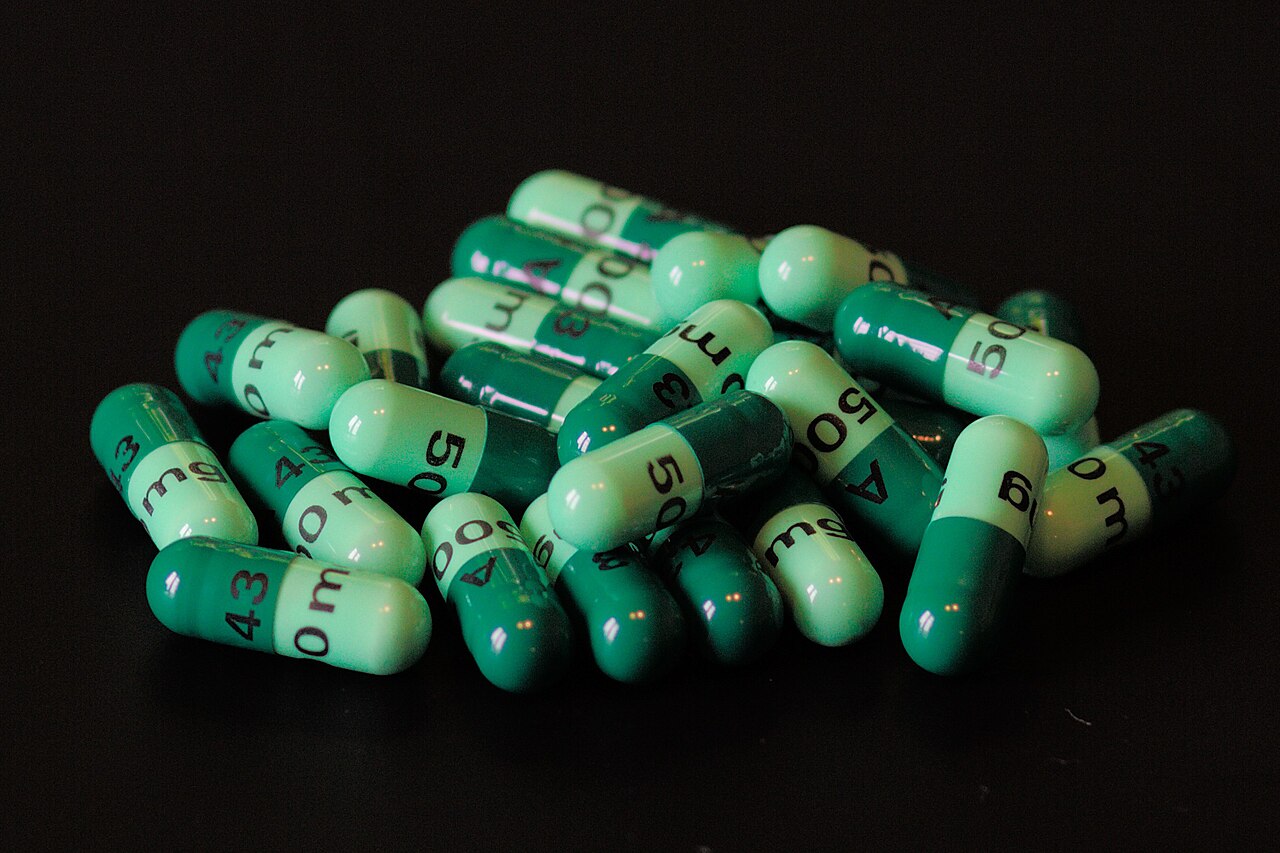
Washing hands with soap is one of the simplest and cheapest ways to prevent infection, but superbugs, or antimicrobial resistance, cannot be beaten by handwashing alone, Md Mamun-ur-Rashid, a researcher at the University of Derby in the UK, argues in an opinion piece in Prothom Alo. His research compares Bangladesh's policy and implementation with Sweden, Denmark, Thailand and Vietnam.
He notes that it is bacteria, not people's bodies, that become resistant. The habit of buying antibiotics from a pharmacy for a fever or cold without a diagnosis makes things worse, since antibiotics do nothing against viruses.
Citing WHO data, he writes that in 2022 antibiotics suitable as first choice made up only 29 percent of Bangladesh's use, against a WHO target of at least 60 percent, while third-generation cephalosporins alone accounted for 33.3 percent.
Food is part of the cycle: inappropriate antibiotic use in poultry, cattle and fish farming can select resistant bacteria that reach people through food, water, waste, soil and the environment. He calls for a One Health approach bringing human health, animals, food, farming and the environment into one plan, as the national strategy and action plan 2023-2028 also stresses.
A 2026 review of 40 policy documents and 51 studies found more work on human and animal health than on the environment. A rule against selling antibiotics without prescription is not enough on its own, he argues; it needs enforcement, trained staff, hospital infection control, laboratories and accountability across sectors.
The views are the author's own; this summary is The Agro News's.
Photo: Sage Ross / Wikimedia Commons (CC BY-SA 3.0)
Source: Prothom Alo


Comments
(0)