
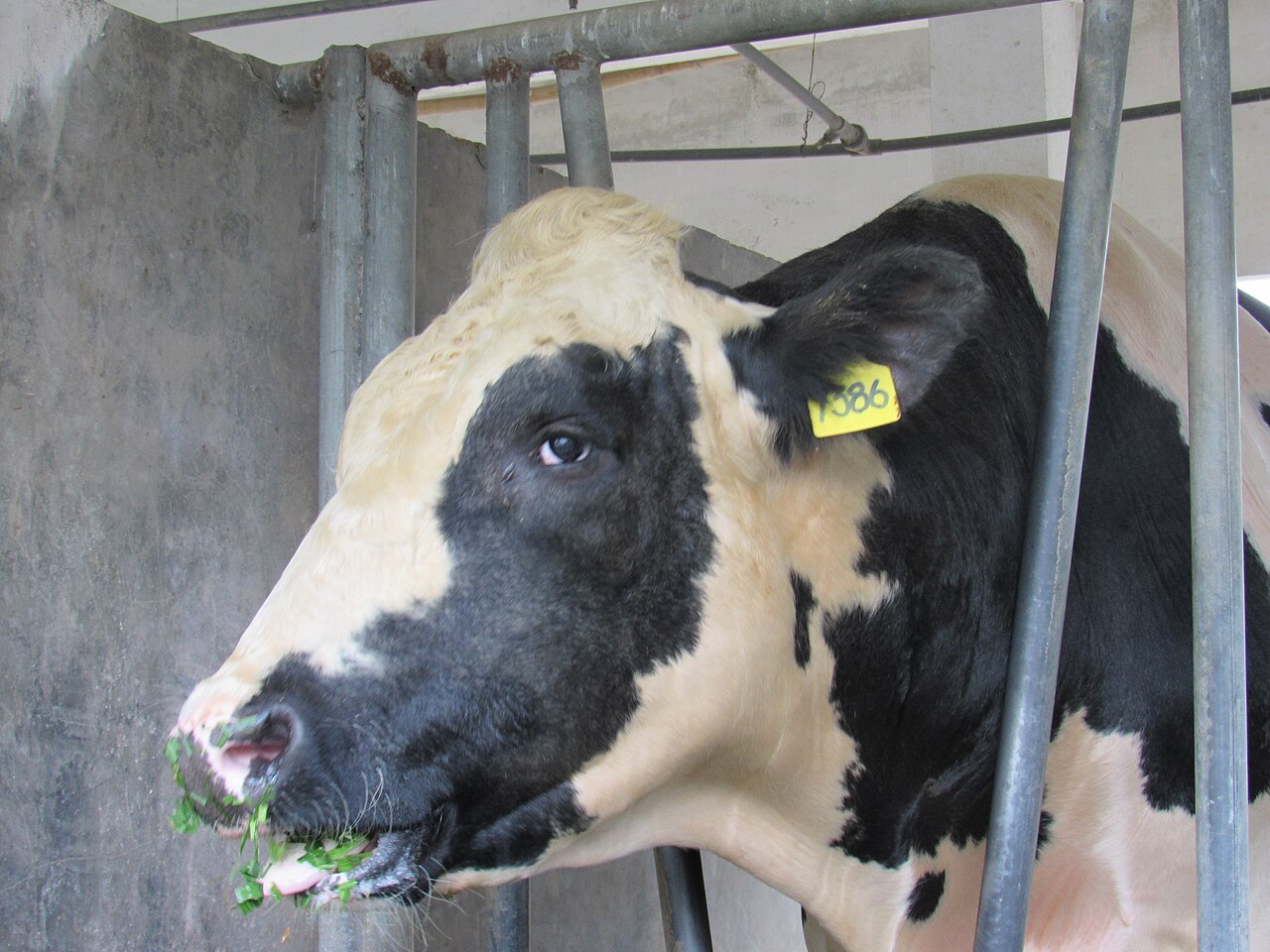
Antibiotics given carelessly and without rules have made bacteria in cattle and poultry so strong that many treatments no longer work, and this antimicrobial resistance (AMR) is reaching people through food, experts warn in a special report by Protidiner Bangladesh.
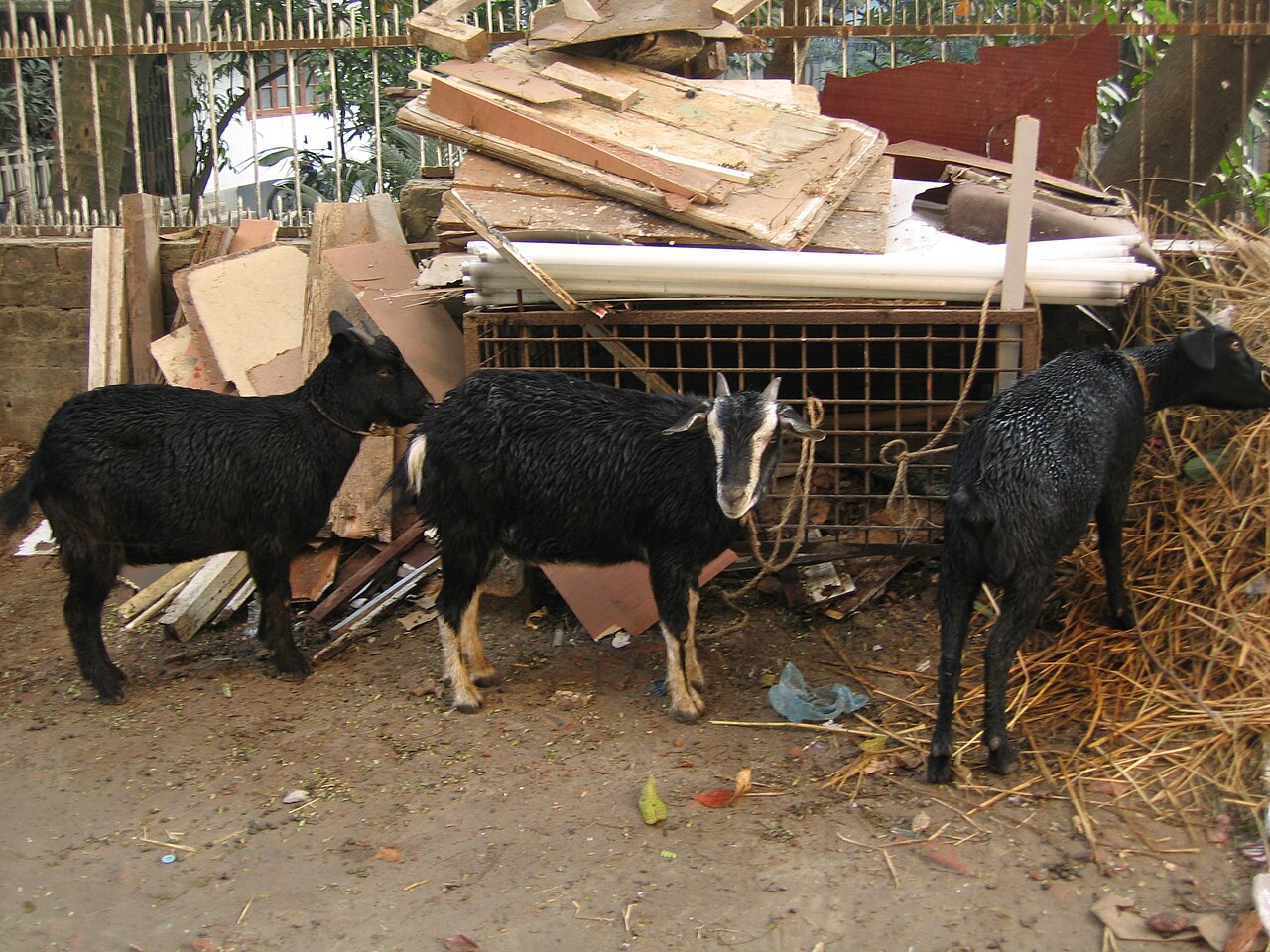
The paper gives an example from the field. A six-month-old calf belonging to Monir Hossain of East Damudya village in Shariatpur's Damudya upazila recently died of lumpy skin disease (LSD) and diarrhoea. Village animal doctor Lutfor Rahman, who has treated livestock for 18 years, says the calf was given antibiotics for the diarrhoea but they did not work. Farmers say grazing cattle and goats are catching LSD, anthrax and pneumonia more often, and the drugs are working less and less.
Dr Md Mansurul Haque, livestock officer for Damudya upazila, says that when ordinary drugs fail, vets are forced to use higher-dose or longer courses of antibiotics, which leave residues in animals and the environment. In his view this resistance is directly tied to food safety.
Dr Md Anwarul Islam, deputy director of the epidemiology cell at the Department of Livestock Services, says a 2024-25 study of 72 broiler, layer and Sonali chicken farms in four districts found E. coli, Salmonella, Enterococcus and Campylobacter resistant to drugs, with E. coli up to 98 per cent resistant to 19 antibiotics. Tests this year on 139 samples of broiler meat and eggs found oxytetracycline and enrofloxacin above permitted levels in meat, but no residues in eggs. A Bangladesh Livestock Research Institute (BLRI) study found 71 per cent of bacteria from broilers, layers, cattle, goats and sheep resistant to more than one antibiotic.
Professor Dr Zakir Hossain, a researcher at the Institute of Epidemiology, Disease Control and Research (IEDCR), says resistant bacteria enter the human body when infected meat is cut unhygienically or not cooked at the right temperature. Citing a 3 June report by the UN Food and Agriculture Organization (FAO), the paper writes that about 75 per cent of antimicrobials used worldwide go into livestock, and that if the crisis is not tackled by 2040 losses in the sector will reach $318 billion, while ending the misuse would cost $53 billion.
Dr Md Nure Alam Siddiky, former technical lead of the Fleming Fund Country Grant to Bangladesh, says UK government support has strengthened 20 laboratories under the health, livestock and fisheries departments for AMR surveillance. He wants strict enforcement of the Drugs and Cosmetics Act, which sets a Tk 50,000 fine for selling antibiotics without a prescription. Experts' advice for farmers: treat only after a proper diagnosis on a registered veterinary surgeon's advice, expand laboratory surveillance, and work through a 'One Health' approach that treats human, animal and environmental health together.
Reporter: Faruk Ahmad Arif, Protidiner Bangladesh.
Photo: Ibrahim Husain Meraj / Wikimedia Commons (CC BY-SA 3.0)
Source: Protidiner Bangladesh


Comments
(0)