
Twenty-three countries have endorsed the Antalya Action Plan on Integrated Fire Management at the UN climate conference COP31 in Antalya, Türkiye, a voluntary plan meant to turn political promises on wildfire resilience into work on the ground. The Food and Agriculture Organization (FAO) welcomed the endorsement on 16 November.
The plan is led by Türkiye, which holds the COP31 Presidency, and co-led by Brazil and the Republic of Korea. FAO supports it through the Global Fire Management Hub, whose secretariat it hosts, together with the Forest & Climate Leaders' Partnership. The Hub's secretariat will also run the new plan, linking countries with partners and tools.
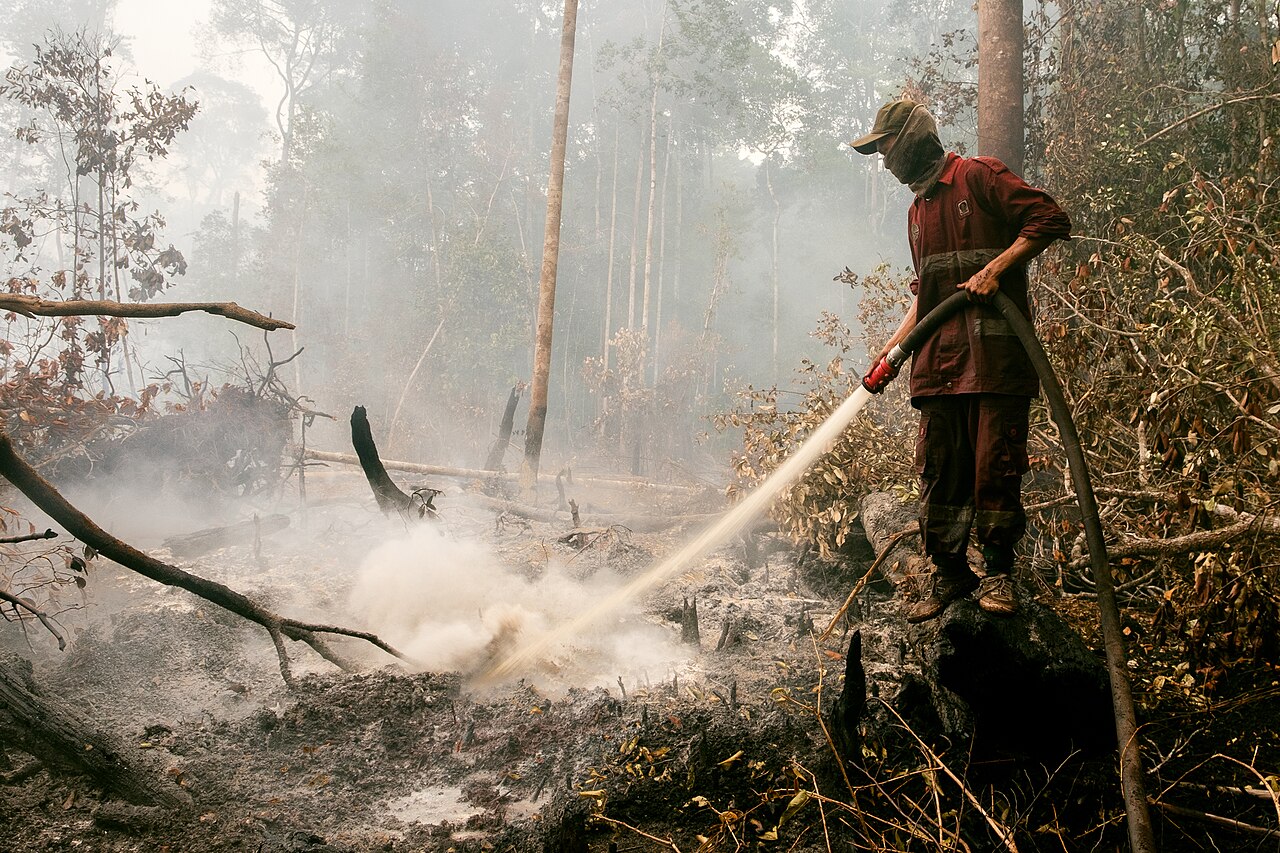
FAO's figures show why. Fire affected an average of 261 million hectares of land a year in 2007-2019, almost half of it forest, according to the Global Forest Resources Assessment 2025. Extreme fire events are projected to rise by up to 50 percent by the end of the century, driven by climate change and changing land use, and smoke crosses borders, harming health, biodiversity and the services ecosystems provide.
"The scale and complexity of wildfire risks mean that countries cannot solve this challenge in isolation," said Zhimin Wu, FAO Assistant Director-General and Director of its Forestry Division. He said the plan's value lay in connecting very different experience, from prevention and community action to technology and landscape management.
The plan has four aims: closer international cooperation; using science and local knowledge to prevent and reduce fire risk; adaptive management of landscapes; and better access to resources for fire management, especially in developing countries. It follows a string of earlier commitments, including the G7 Kananaskis Wildfire Charter and the Belém Call to Action, that call for a shift from reacting to fires towards prevention and preparedness.
Countries that join will share the measures they are taking, learn from one another and draw on tools that already exist, so that scattered national efforts become a more coordinated global response. Partners launched the plan at the COP31 High-Level Dialogue on Technology and Innovation for Integrated Fire Management and Wildfire Resilience in Antalya.
Photo: FAO/Roberto Faidutti
Source: FAONewsRoom
Comments
(0)