
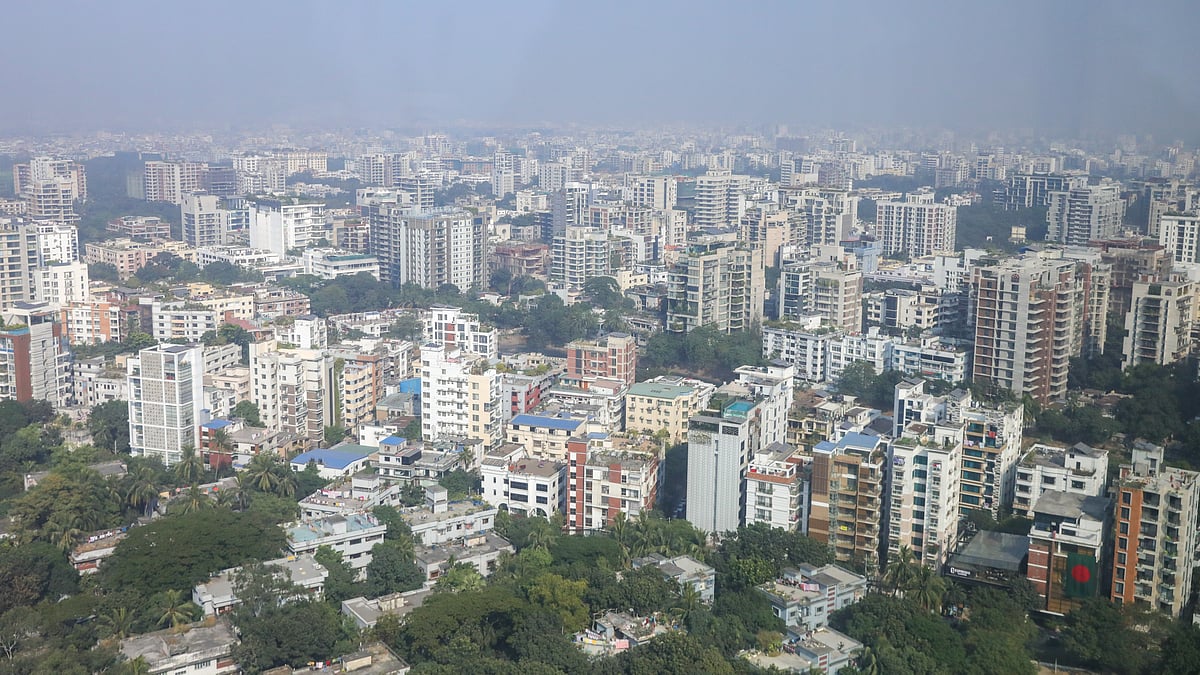
Bangladesh has sat near the top of the list of countries most affected by climate change for years. A new ranking of how well the world's big cities can withstand climate hazards now places two of its cities among the ten least resilient: Dhaka fourth and Chattogram ninth.
AlphaGeo, a company working in geospatial artificial intelligence, compiled the climate-resilience ranking for 72 major cities. Many of them, it says, show a 'dangerous gap between their level of risk and their capacity to cope with it'. Founder and chief executive Parag Khanna put it this way: climate resilience is adaptive capacity net of risk — everyone talks about resilience, but nobody measures it.
The index weighs two things. First, how directly a city is exposed to climate hazards — inland flooding, coastal flooding, extreme heat, drought, wildfire and cyclone winds. Second, how prepared it is: early-warning systems, administrative capacity, policy measures and infrastructure such as flood embankments and high-capacity drainage.
Chicago ranks as the most resilient city. It lies in a temperate zone, has ample freshwater reserves and low cyclone risk, and has invested for decades in infrastructure such as its vast Deep Tunnel Project to cut flooding and water pollution. A robust power grid that can ride out extreme heat or cold is the kind of system that blunts climate impacts.
Many of the least resilient cities are in South Asia, where flood and monsoon risk is very high and preparation comparatively weak. Ahmedabad in India, on a riverbank, is judged most at risk, followed by Hyderabad, then Multan in Pakistan, Dhaka in fourth place and Chattogram ninth. The report cites the recent catastrophic floods and landslides in Nepal and Tibet as an example of the worst that climate disasters can bring.
The two cities' ranking matters for agriculture and food supply as well: when their ports, markets and transport seize up, the first shock lands on the prices of the crops, fish and poultry arriving from the countryside.
Source: Prothom Alo

Comments
(0)