

Among the titles of Aisha, Mother of the Believers, is Umm Abdullah, 'mother of Abdullah', although she had no children. Writing on Prothom Alo's religion page, the scholar and essayist Nahida Sultana says the answer lies in a hadith narrated by Aisha herself.
In Sunan Abu Dawud (hadith 4970) Aisha tells the Prophet that all her companions have a kunya, a name of the form 'mother of' or 'father of'. He replies that she should take one after her sister's son Abdullah. The narrator Musaddad explains that this Abdullah is Abdullah ibn al-Zubayr.
Abdullah ibn al-Zubayr was a noted companion. His father was al-Zubayr ibn al-Awwam and his mother Asma bint Abi Bakr, Aisha's elder sister, so Aisha was his maternal aunt. The motherhood in the name is one of kinship and affection, not birth.
In the writer's reading, a kunya in Arab society was more than a substitute name; it was a customary mark of identity and respect. The episode shows that a kunya need not come from one's own child and can express close kinship or honour. It also shows the Prophet's gentleness in family life, taking his wife's small wish seriously.
A report in Musnad Ahmad (hadith 26242) says Aisha was called Umm Abdullah until her death. History remembers her as a learned companion, a jurist and one of the chief narrators of hadith; this name recalls a softer side of her life.
The article was published on Prothom Alo's religion page; its writer is Nahida Sultana.
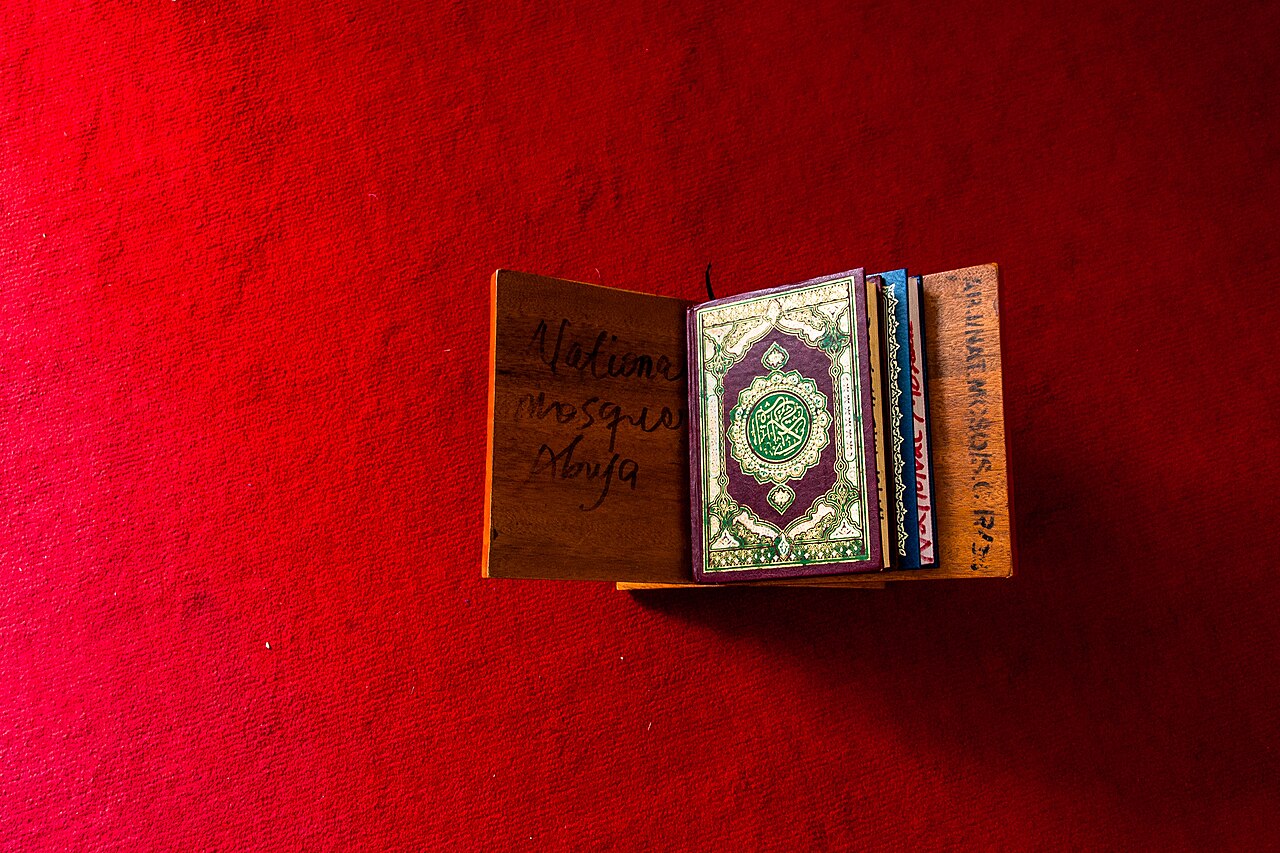
Photo: Bluemangoa2z / Wikimedia Commons (public domain)
Source: Prothom Alo


Comments
(0)